
Mastercard Exchange Rate: Your Guide to Avoiding Hidden Fees
Learn how Mastercard exchange rates work, how to avoid foreign transaction fees, and the pitfalls of Dynamic Currency Conversion (DCC). Get tips to save money when spending abroad.


TL;DR: When spending money abroad with your Mastercard, the Mastercard exchange rate is key. It’s usually very close to the fair mid-market exchange rate. However, banks often add their own foreign currency transaction fees, typically around 1% to 3%. A major pitfall is Dynamic Currency Conversion (DCC), which can add significant hidden costs, sometimes up to 15% on top of the transaction. For example, exchanging £100 might get you €117.11 with Mastercard’s rate, but less if your bank adds fees or if you choose DCC. Always choose to pay in the local currency to avoid these extra charges.
Imagine you’re living between countries, perhaps enjoying life in Australia while still managing affairs back home, and you use your card for a simple purchase. Many people think paying with a card abroad is always easy and cheap, but they often make a costly mistake: not understanding the actual Mastercard exchange rate and the hidden fees involved. This can mean paying much more than you expect, affecting your budget for things like keeping your Australian phone number active or managing bills. Credit and debit cards offer a convenient way to pay for things or get cash in different countries, and they are also popular for online shopping with international stores. However, when you pay in a currency different from your home currency, it’s not always clear how much it truly costs in your local money. Apart from any fees from ATMs, shops, or your own bank, the exchange rate used to change your money can make a big difference. If you get a bad rate, it can reduce how much money you have for your trip or life abroad. This guide will look closely at Mastercard debit and credit cards and the exchange rates they use for payments not in your home currency. We will also explain when these rates apply and point out other fees or charges you should know about, especially if you move abroad or travel often.
How can you check the Mastercard exchange rate when you’re abroad?
You can easily check the Mastercard exchange rate for a purchase you plan to make or one you have already completed by using the official Mastercard currency conversion calculator. To get an estimated cost, you will need to put in some details.
Here’s what you usually need to provide:
- The exact date the transaction took place.
- The percentage fee your bank might add to the transaction.
- The amount of money you spent and the currency it was in.
- The currency of the card you used (your home currency).
After you enter all this information, the calculator will show you an estimated cost in your card’s currency. Remember, this result is only an estimate. The actual amount you pay could be different if your bank adds more fees. Also, the exchange rate can change between the time you make a payment and when your bank officially processes it. This change can affect the final total.
Mastercard explains this by saying: “Currency conversion rates are specific to the date and time your bank authorises the transaction (which generally occurs at the point of sale/interaction). If Mastercard is unable to apply the currency conversion rate at authorisation, Mastercard will apply the currency conversion rate at the date and time the transaction is processed.”
A helpful way to understand if the Mastercard exchange rate is fair is to compare it to the interbank rate, which is often called the mid-market exchange rate. This is the basic rate that banks use when they trade currencies with each other, so it gives you a clear idea of how good the Mastercard rate is. It is also very important to check if your bank adds its own percentage fee when you use your Mastercard abroad, as this can significantly increase the total cost. You can usually find these details in your bank account rules or in the fees section of your online banking, which is crucial for those managing money across borders.
What is the mid-market exchange rate and why is it important for overseas spending?
So, what exactly is the mid-market exchange rate? Simply put, it is the middle point between the price at which banks are willing to buy a currency and the price at which they are willing to sell it. This is the rate banks use when they exchange currencies with each other in global financial markets.
Most banks and services that transfer money do not use the mid-market rate directly when they convert currencies for customers. Instead, they usually add a small extra amount, or a “mark-up,” on top of the mid-market rate. This allows them to say they offer “fee-free” or “zero commission” currency changes. While this might sound good, the extra cost is actually built into the exchange rate itself. This makes it hard for customers to see what they are truly paying, especially for people who regularly need to convert money, like digital nomads using eSIMs for travel.
The mid-market rate changes all the time because of how the market is behaving. However, it’s easy to check today’s rate or past rates using online tools that alert you to exchange rate changes, or by using live currency converter apps. Once you know the mid-market rate, you can compare it with the rate your card company, bank, or money transfer service is offering. This comparison helps you see if the deal is open and fair, or if it has hidden costs you would rather avoid. This understanding is particularly valuable when you are moving abroad and setting up your finances, as detailed in any good moving abroad checklist.
When does Mastercard’s own exchange rate apply to your international payments?
Sometimes, when you use your Mastercard at an ATM overseas or to pay for goods and services in another country, the exchange rate used might not be the official Mastercard exchange rate. Here’s how Mastercard explains it: “If your transaction is converted by the merchant or ATM operator, Mastercard currency conversion rates will not apply. This will usually occur when you select to pay in your card’s currency as opposed to the currency of the merchant or ATM.”
This happens because of something called dynamic currency conversion, or DCC. If you travel often or live between countries, you have probably come across DCC. This is when a shop or ATM asks if you want to pay in your home currency instead of the local currency. Banks often present this option as helpful because it shows you the cost in your own money right away. However, DCC can come with hidden fees and extra costs that can make your overseas spending with Mastercard more expensive.
The reason is that if you choose DCC, the exchange rate is set by the ATM operator, the shop, or another bank in the middle, not by Mastercard. These providers have no reason to give you a good rate because you are not their direct customer. They can increase the exchange rate to make money from your transaction. Also, because the amount is only shown in your home currency, you cannot see exactly what rate is being used. This often leads to paying more than you need to. The best way to save money and get a better Mastercard exchange rate is always to choose to pay in the local currency. By doing this, your payment will use Mastercard’s exchange rate, which is usually clearer and more reliable. This is a crucial tip for anyone managing their money for international living, whether they’re setting up life in Germany or the US.
What fees does Mastercard add for international transactions?
Mastercard does not have one standard fee for all international transactions. The amount you pay depends on how your own bank or the company that gave you the card applies fees for purchases made abroad or in a foreign currency. These can be called Mastercard international transaction fees or Mastercard fees abroad.
Is Mastercard’s exchange rate better than Visa’s for spending across borders?
Recent comparisons show that Mastercard’s exchange rate is slightly better than Visa’s for certain currencies. However, the difference is usually very small and changes depending on the currency and the date. This makes it difficult to say definitively which is always better for overseas spending Mastercard vs. Visa.
For example, let’s look at a quick comparison:
| Card Type | Amount Exchanged | Bank Fee | Amount in Euros |
|---|---|---|---|
| Visa | £100 | 2% | €117.02 |
| Mastercard | £100 | 2% | €117.11 |
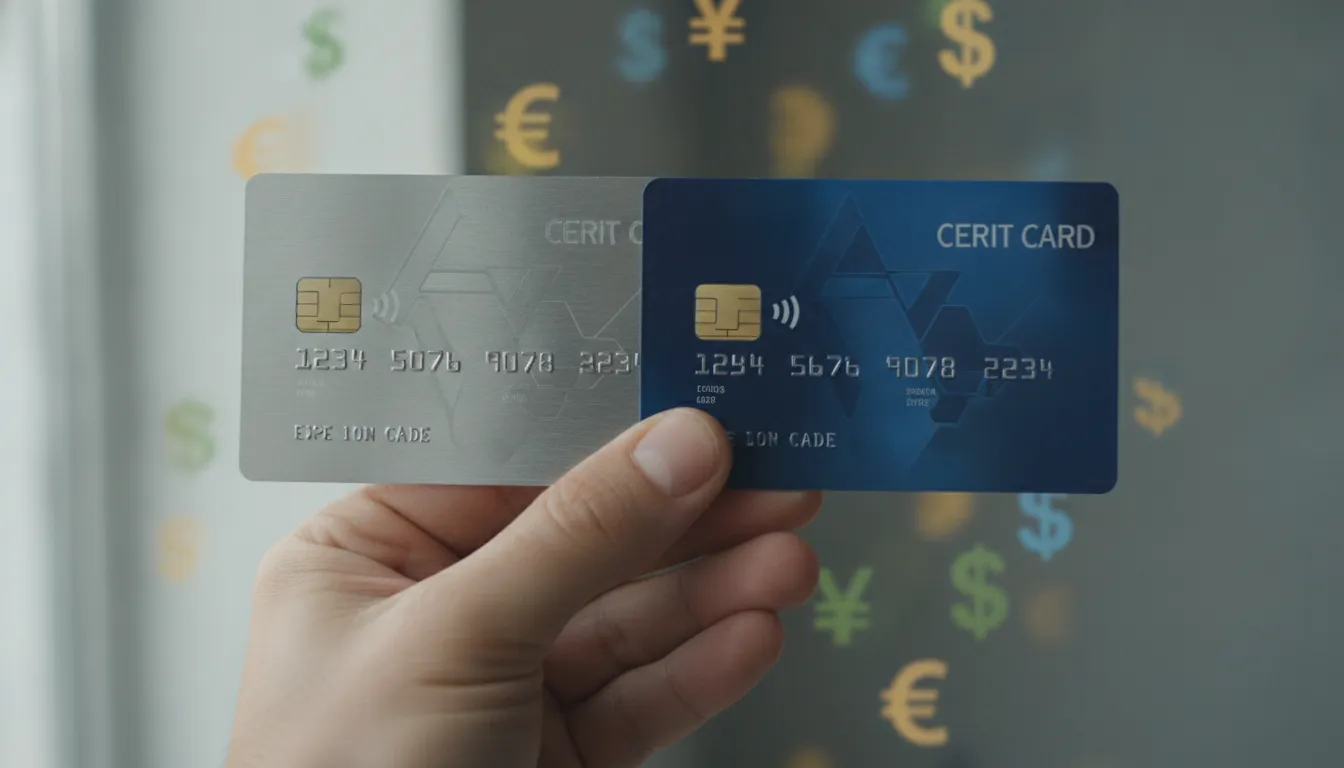
As of a recent check, if you changed £100 into euros with a 2% bank fee, you would receive €117.02 using the Visa exchange rate. Under the same conditions, using the Mastercard exchange rate, you would receive €117.11. This small difference shows that while Mastercard might offer a slightly better rate, other fees from your bank or DCC can have a much bigger impact on the total cost.
What other fees might you pay when using your Mastercard abroad?
When you use your card abroad, some banks charge foreign currency transaction fees, sometimes called ‘non-Sterling transaction fees’ in the UK. These fees can apply to things you buy or cash you take out from an ATM. Luckily, these extra fees are becoming less common as more people travel or live internationally.
The amount of these Mastercard international transaction fees can be different depending on your bank and the type of account you have. They might be a set amount of money or a percentage of the total transaction. Percentage-based fees can add up very quickly, especially for larger purchases. Before you travel or move abroad, it’s a good idea to check your bank account’s terms and conditions. These are usually easy to find online, and key details are often printed on the back of your account statements. This will help you understand the full cost of spend abroad with Mastercard.
Taking money out from ATMs can also come with extra costs. ATM operators may charge their own fees for you to access your cash, which are separate from any fees your bank might charge. So, even if your bank doesn’t charge for international ATM withdrawals, the local ATM might.

How to manage your money across borders
While many banks and money transfer companies might add extra costs to their exchange rates to make a profit, there are other ways to handle your money when you are living between countries or traveling frequently. Some financial services aim to offer clearer and cheaper ways to move and convert money internationally.
These services often reduce costs by using a network of local bank accounts around the world. This approach allows you to send, spend, change, and receive money in many different currencies with lower fees. They typically use the fair mid-market exchange rate without adding any extra mark-ups, which means you get more for your money.
You can often set up an account online to manage your money in many currencies from one place. Some providers also offer specialized travel cards for a one-time fee. These cards allow you to spend like a local in various currencies. They automatically convert your money at the mid-market exchange rate whenever you spend, usually for a very small conversion fee. If you already have the right currency in your account, there might be no fee at all.

After reading this, you should have a clearer idea of how to check Mastercard’s exchange rate when you travel and how to avoid extra costs. Remember to say no to Dynamic Currency Conversion (DCC) and always choose to pay in the local currency. This means you can spend and take out cash abroad with more confidence, knowing more about the fees you might face.
Sources used for this article:
Here are the key sources that provide information for this article:
- Mastercard’s official website for their currency converter calculator.
- Information about general Mastercard fees from their support section.
- Visa’s official website for their currency converter calculator. Sources were last checked on July 20, 2026.
Please remember that this information is for general knowledge only. It is not professional advice for legal, tax, or financial matters from any financial institution or its partners. It should not replace advice from a financial advisor or other expert. We do not promise or guarantee, whether directly or indirectly, that the content in this publication is correct, complete, or up-to-date.
More tips for managing money across borders
If you want to learn more about handling your money when you travel or live abroad, you might find other articles helpful. These can cover topics such as:
- Choosing the best debit cards for spending overseas: Guides on finding cards that do not charge extra fees for foreign transactions or ATM withdrawals, helping you save money when you travel.
- Credit cards without foreign transaction fees: Reviews of top credit cards for international use that do not add fees for spending in other currencies.
- Best multi-currency travel cards: Advice on picking the right card for different regions, like Europe, comparing options, fees, features, and spending benefits.
- Comparing travel money cards with credit cards: Guides to help you decide which is better for trips abroad, looking at fees, exchange rates, protection, and safe cash access.
- Finding prepaid travel cards with no fees: Discovering the best prepaid cards that help you save money by avoiding fees on your international trips.
- Deciding between credit or debit cards abroad: A guide to choosing the best card for spending overseas, covering fees, cash withdrawals, and safer ways to pay when you are outside your home country.
Information about our company, our team, and how we work is available. You can find our news and blog posts, press releases, job openings, and details about our partnerships. We also offer help and support through our help center, explain the mid-market rate, and provide pricing information. You can learn more about sending money abroad, finding bank codes, using currency converters, and setting up rate alerts. We also compare exchange rates and offer business templates.
Stay connected with us on social media.
Legal information includes our privacy policy and a map of our website.
© 2026 A financial services provider. This service is operated by a financial company authorized by regulators for handling electronic money.
Related reading
Sources
| # | Source | Website |
|---|---|---|
| 1 | Mastercard currency conversion calculator | mastercard.co.uk |
| 2 | live currency converter apps | apps.apple.com |
| 3 | Visa exchange rate | visa.co.uk |
| 4 | Mastercard fees | mastercard.com |