
Renting in Copenhagen: Your Guide to Finding a Home
Moving to Copenhagen? This guide covers average rental costs, housing options, best neighborhoods, and essential tips for securing a home in the competitive Danish market.

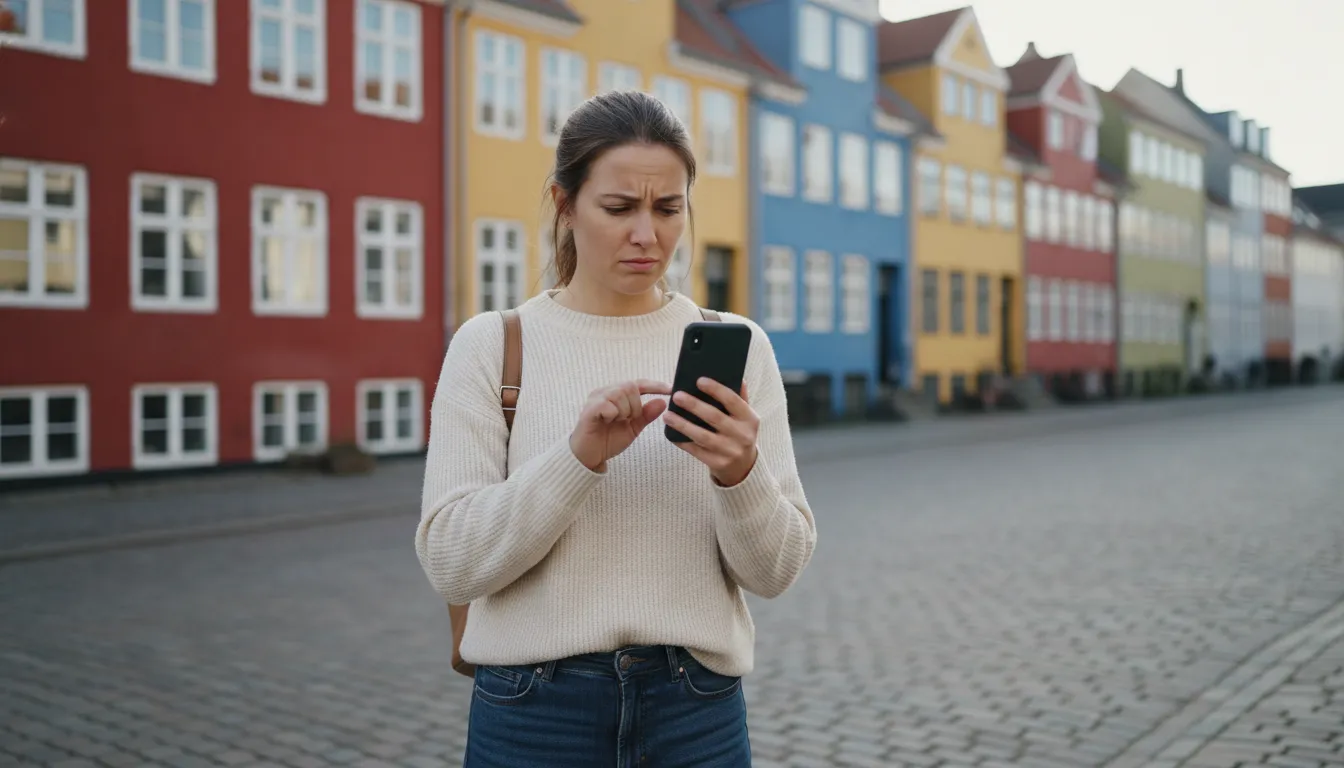
TL;DR: Finding a rental in Copenhagen can be tough and expensive. A one-bedroom city centre apartment costs around €1267 per month, while a three-bedroom family apartment is about €2318. You might need to pay up to 7 months’ rent upfront for a deposit and rent in advance. It’s wise to start your search early, know the local market, and make sure you can stay connected to your home country, perhaps by keeping your old phone number, as the process can take time.
Imagine moving to a brand new city, ready to start a new chapter, only to find yourself struggling to secure a home. The search for a new place to live is stressful enough without the added worry of losing touch with friends, family, or work back home. This is a common challenge for expats moving to Copenhagen, where the rental market is very competitive. People often face delays in finding a permanent home and need to make sure their phone number from their home country still works abroad to handle important calls during this period. Keeping your original phone number can save you from missing crucial updates about your rental application or a call from your old bank.
Copenhagen is a fantastic city, known for its rich culture and diverse feel. People in Denmark are famous for having a great balance between work and life, and Copenhagen supports this with many outdoor activities and leisure options nearby. However, living in Copenhagen is not cheap. For example, a one-bedroom apartment in the city centre usually costs about €1267 each month, not including utilities. A three-bedroom family apartment in the city centre can cost around €2318. On top of this, groceries are quite expensive, and eating out can cost a surprising amount. Overall, prices for goods and services, including rent, are over 50% higher in Copenhagen compared to, say, London. Of course, your actual cost of living in Copenhagen will change a lot depending on your lifestyle and what you prefer. Choosing to live outside the city centre, for example, can make costs much lower. If you are still making plans, it’s important to think about all the costs involved when you move to Denmark. You can compare the cost of living in Copenhagen with your hometown using websites like Numbeo to help you budget.
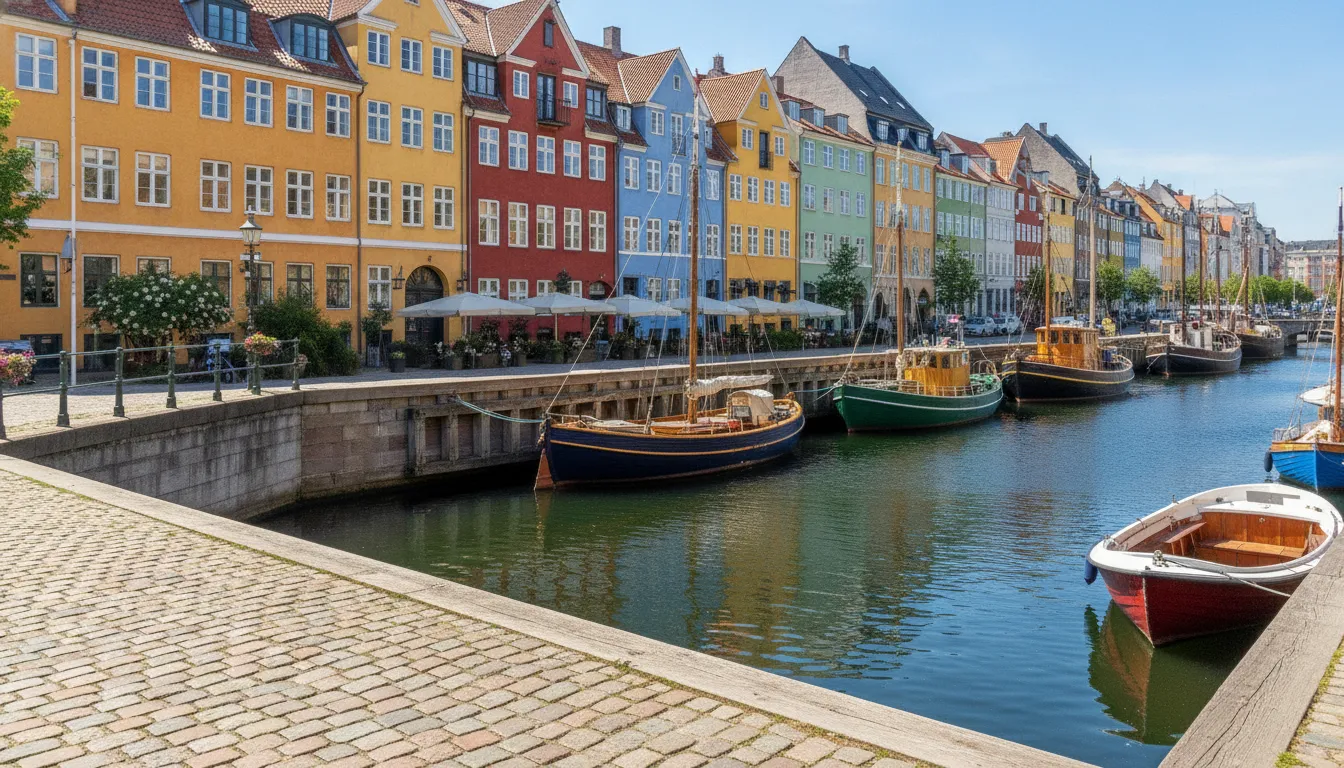

What are the housing options in Copenhagen?
In Copenhagen, you have several choices for housing, but the Copenhagen rental market is very busy, making it often hard to find a place. It is especially difficult to find a home in January or September because many international workers and students arrive at the start of the calendar and school year.
Furnished vs. unfurnished rentals
Even though there isn’t a huge number of homes to rent in Copenhagen, you can find both furnished and unfurnished options. Even unfurnished places will usually come with kitchen appliances and a fitted kitchen. You can choose from apartments, terraced houses, and larger single-family homes. However, these larger homes are rarely available in central areas. Apartments in Copenhagen are known for being small, despite their high cost. The size of the living space will usually be shown in square meters in the advertisement. Make sure this number refers to ‘living space’ and not the total ‘gross area.’ Gross area includes spaces like stairwells or storage cupboards, which can make an apartment seem bigger than it really is. If you plan to stay in Copenhagen for only a short time, you might find fully furnished short-term rentals, but these often cost a lot more.
Flatshares and student housing
If you are looking for Copenhagen student housing, you can get help from Ungdomsboliger, which specializes in student and youth housing across Denmark. Your college or university might also be able to help, as many have student residences. The government-supported website Study in Denmark also provides resources and advice for students looking for accommodation in Copenhagen.
Private rentals are often quite expensive. So, for students or anyone looking for a cheaper option, a Copenhagen flatshare might be a better choice. Flatshares are often informal arrangements between people who know each other. This means checking with your friends and contacts is a good starting point. You should also join Facebook groups like the private group ‘Copenhagen Apartment, Flat and House Rentals,’ which lists all kinds of housing. A quick search will show many similar groups, but some are much larger and more active than others.
Alternative housing options
Another type of housing you might find in Denmark is a sommerhus or fritidshus (summerhouse). These are usually located outside the city and can range from very luxurious to those without basic facilities. Officially, you can only live in them from April 1st to October 1st, although this rule is often ignored. This is not an ideal choice for long-term housing options Copenhagen, but it can be a good temporary solution if you are struggling to find a place quickly and for a short period. If you’re planning a big move, remember to check out a moving abroad checklist to help you prepare.
Where are the best places to live in Copenhagen?
The area you choose to rent in Copenhagen will mostly depend on where your job or university is located, as well as your budget. As you might expect, the further you move from the city centre, the cheaper the rent. So, you can get more for your money if you are happy to have a slightly longer commute into the city.
City centre districts
The central part of Copenhagen is called Indre By. This is the very heart of the city, full of shops, restaurants, and hotels. While accommodation is available here, it is usually too expensive for most people’s budgets.
Just across the Inner Harbour is Christianshavn, which is home to tourist spots like the ‘free town’ of Christiania. This area is still part of the inner city and is slightly more affordable, but it remains expensive.
Vesterbro is a very diverse area close to the central train station. Here, you’ll find young professionals, students, expats, and people from all walks of life. Some parts have been completely modernized, while others still have a more edgy feel.
Another area, Norrebro, is more multicultural. It has changed from its rough past and is now extremely popular.
Lastly, Osterbro, where the famous Little Mermaid statue is located, is another city centre district. It is popular with families because it has green spaces and a peaceful atmosphere.
Areas outside the city centre
Ørestad is further from the city centre but very well connected, with a public transport commute of only about seven minutes to the centre. Housing prices here are usually much more affordable, and most homes are in new buildings with modern designs. It’s a new development that includes the country’s largest shopping centre.
Sluseholmen is another area popular with young families. It is built on an artificial peninsula in the harbour and is connected to the city by bridges. This area used to be a site for heavy industry and docks.
Finally, the island of Amager is a good choice if you don’t want to live right in the centre. It’s another island linked to the city by bridges. It’s only about 15 minutes from the city but has parks and a popular beach, making it perfect for summer weekends.
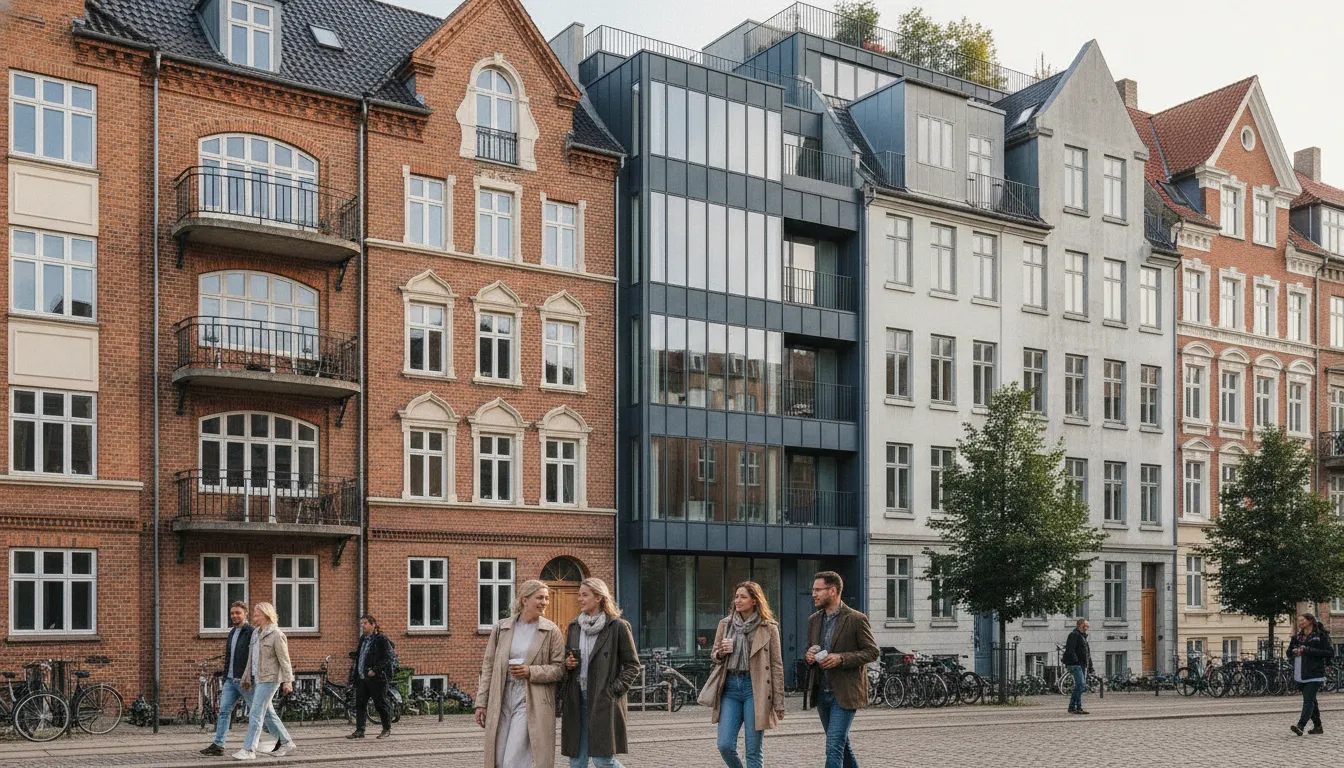
Student areas for affordable living
If you are looking for Copenhagen student housing, you are likely on a tight budget. Nordvest, located between Vesterbro and Norrebro, offers more affordable housing options for students.
However, if you are searching for student accommodation, your best bet might be to look for a company that specializes in this type of housing, rather than trying the open market. It can be especially hard to find rental Copenhagen student places during busy times, like summer, when many new students are all looking for homes in the same limited pool of places. The helpful Study in Denmark website has a lot of information and tips from students for other students. Specialized companies focus on locations near university campuses and may offer more budget-friendly options. Ask your university for their advice on reliable agencies, or try an established organization like Ungdomsboliger. For a fee, you can also join specialist student accommodation sites to find ads for places that might suit you.
What are the best websites to find a rental in Copenhagen?
The government-backed website Work in Denmark has an excellent list of real estate agents for people new to the country. Look for trustworthy brokers and agents there, or ask for recommendations and reviews. Alternatively, you can use general websites that list rentals across the city, such as the following:
- Bolig Portal: This site has thousands of rental properties listed. However, to get in touch with an agent or landlord, you will need to pay a small fee.
- Bolig Basen: Another large site offering many rentals, but you have to pay a fee to get the landlord’s contact details.
- The Copenhagen Post: The English-language newspaper often features real estate listings in its classified section. It’s free to look, so you have nothing to lose by checking it out.
Where are the best sites to find a flatshare or roommate?
If you’re looking for a Copenhagen flatshare or roommate, these sites can help:
- Housing Anywhere: This site directly connects you with local hosts who want to rent out a room, and it is usually aimed at students.
- Facebook: Many groups exist, but some are private, so you’ll need to ask to join them. A quick search on Facebook will show several active options. Try ‘Roommates in Copenhagen’ as a starting point.
- Craigslist: Rooms, apartments, and houses are all listed here. However, like with similar services everywhere, be careful and use common sense and caution when dealing with landlords you find on this site.
What should I know about the local rental market?
It can feel overwhelming when you are trying to find rental Copenhagen in a new country and culture. Here are some things that can help you feel more ready.
What local terms should I know for renting in Copenhagen?
First, it is important to know that most landlords will ask for your CPR number. You get this number when you become a legal resident in Denmark. If you do not have residency yet, you will need to get that sorted before you start looking for a home. Once you have your CPR number, you are ready to go. Even if you don’t speak Danish, knowing a few words can help when you are trying to find your perfect Copenhagen rental. Many websites have English translations, and most people in Denmark speak excellent English. Still, here are a few Danish terms you will likely see:
- Værelse: room
- Rækkehus: terraced house
- Villa or hus: house (usually a standalone, single-family home)
- Lejlighed: apartment
- Bofællesskab: shared apartment
- Kollegium: hall of residence (student dorm)
How and when are rental contracts signed?
Rental contracts Copenhagen are usually standard but are written in Danish. It is important to get help translating the terms so you understand what you are signing. For example, the contract will state the condition in which the property must be returned. This can include costly rules, such as repainting or redecorating, to make sure it is given back to the landlord in perfect condition. After you move in, you have two weeks to report any problem you notice to your landlord. If you find damage to the property or furniture during this time, you must tell the owner. If you don’t, you risk being charged for it when you leave.
Because the market is so competitive, tenants often don’t want to cause trouble, and there are stories of landlords unfairly keeping deposits. Checking the contract carefully, taking photos of the property’s condition, keeping records of any improvements you make to the place, and maintaining a good relationship with the landlord are all smart steps.
What are the best tips for dealing with landlords?
In Copenhagen, landlords have the upper hand. Tenants compete for good properties, and owners can afford to be very selective. It is worth trying to make a good impression on a landlord – simple politeness and courtesy go a long way. Give yourself the best possible chance by staying in a hostel or hotel for a short time at first. This will give you more time to search, as finding a rental in Copenhagen might take a while. Once you do find the right place, you’ll have to act quickly before someone else takes it.
Having a friend with you when you view flats can help make sure you don’t feel overwhelmed by all the information. That way, you can talk about your thoughts on the place and the landlord, and then trust your gut feeling when you need to act fast to secure your perfect Copenhagen apartment. Don’t forget that many Copenhagen apartments are rented out through word-of-mouth. If you are in Copenhagen for work, make sure your colleagues and local friends know you are looking. They might be able to connect you with a place and a friendly landlord without you having to pay agent fees.
How much is a normal rental deposit in Copenhagen?
Depending on the contract, you could be asked for a rental deposit Copenhagen of up to three months’ rent to secure your new home. In addition, some landlords insist on receiving three months’ rent upfront, which is then used to cover the rent for the last three months of your contract. This means your total upfront payment could be as much as seven months’ rent – that’s a significant amount! If you are unsure about any contract details, it is definitely worth getting advice from a professional broker or a relocation agent.
Can I pay my rent or deposit from abroad?
Because housing moves so quickly in Copenhagen, landlords are often not willing to let future foreign tenants view a property before they move to Denmark. There are simply enough local tenants available that landlords don’t want to risk waiting for an expat to arrive. It’s a good idea, therefore, to visit a couple of months before you plan your final move. This allows you to start the process, talk face-to-face with landlords, and explain your situation. In this case, you will need to be ready to secure a place quickly if you find the right one.
You might find that you need to make a deposit payment before you have even opened a local bank account or moved to the country. If you do, it’s worth remembering that your bank at home might not offer the best value when it comes to making an international money transfer. Banks often add hidden fees by using a poor exchange rate, even for their own account holders. Understanding what happens to your phone number when you move abroad is also important, as you’ll need to receive confirmation messages or calls for bank transfers. If you are moving from a country like the UK, you might want to look into how to keep your UK number abroad for essential communication during your move.
Anything else I should know about renting in Copenhagen?
Be careful of common scams, such as properties offered for rent without proper rental contracts Copenhagen, or landlords or agents who ask for fees for a service you don’t want or need. There are quite a few scammers active in Copenhagen and nearby areas. It’s not uncommon for ‘landlords’ to ask for an upfront deposit for an apartment that might not even exist. Given the high competition in the market, some newcomers are so eager to settle that they pay, losing their hard-earned money. If possible, ask for help from your workplace or a relocation agent to guide you through the process.
While the Copenhagen rental market is more competitive than in some other countries, by looking widely, using your contacts well, and making quick decisions on a place, you have every chance of finding your dream Copenhagen rental. Good luck!
Related reading
Sources
| # | Source | Website |
|---|---|---|
| 1 | Numbeo | numbeo.com |
| 2 | Ungdomsboliger | ungdomsboliger.dk |
| 3 | Study in Denmark | studyindenmark.dk |
| 4 | Study in Denmark | studyindenmark.dk |
| 5 | Work in Denmark | workindenmark.dk |
| 6 | Bolig Portal | boligportal.dk |
| 7 | Bolig Basen | boligbasen.dk |
| 8 | Housing Anywhere | housinganywhere.com |
| 9 | Craigslist | copenhagen.craigslist.dk |