
Canadian Dual Citizenship: Your Guide to Eligibility & Process
Considering Canadian dual citizenship? Learn if you're eligible, the application steps, required documents, and how long it takes. Understand which countries allow or restrict…

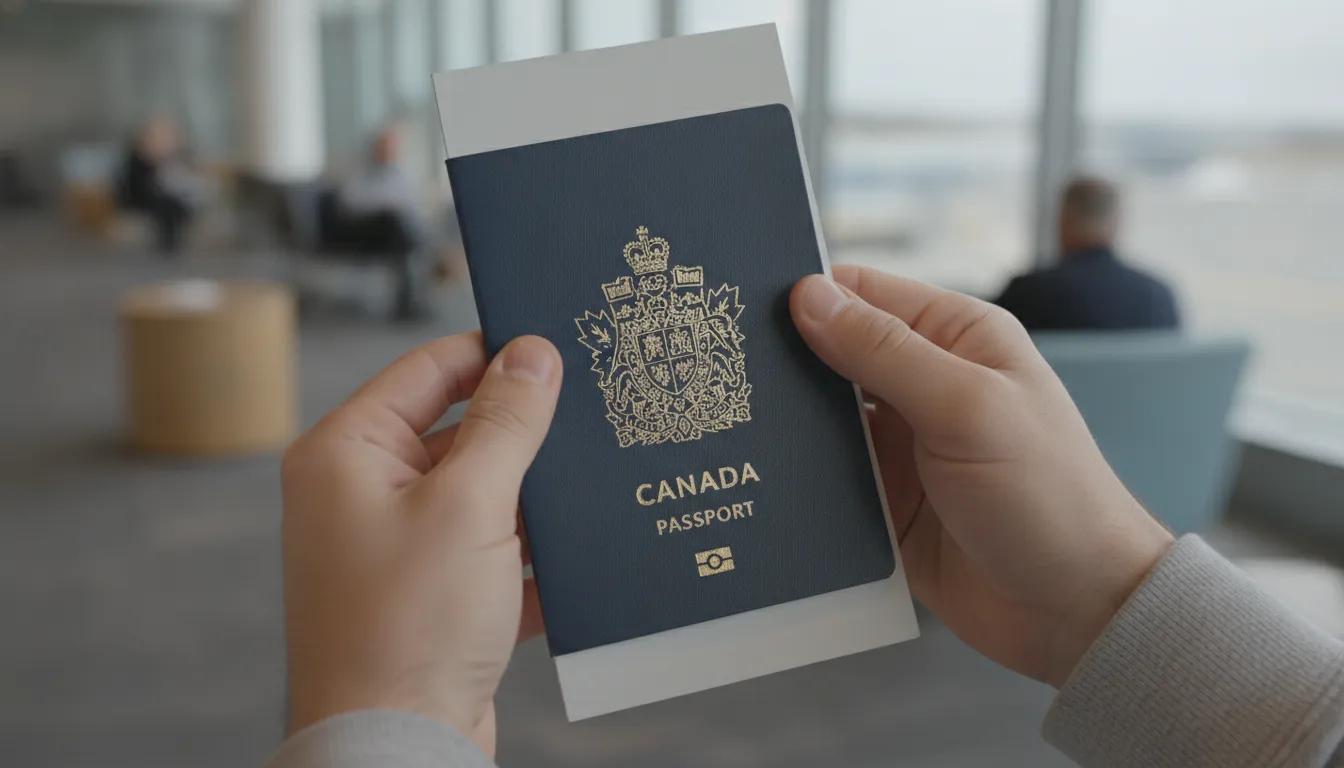
TL;DR: Yes, Canadian dual citizenship is allowed for most people who meet the requirements. You generally need to be a permanent resident and have lived in Canada for at least 1095 days in the past 5 years. The application process typically takes around 12 months. This can be a great way to stay connected to two homes, especially if you split your time between countries.
Living across different countries can be rewarding, but it also brings unique challenges. One major concern for many people is how to keep their ties strong with their home country while building a new life elsewhere. This often includes everything from managing finances to ensuring your phone number still works, even if you’re exploring what happens to your number when you move abroad. For those considering making Canada their permanent second home, understanding Canadian dual citizenship is a crucial step. It allows you to enjoy the benefits of two nations, but the rules can be complex.

Can you have dual citizenship in Canada?
Yes, you can have dual citizenship in Canada. This means Canada allows its citizens to also be citizens of another country at the same time, as long as both countries agree. For this to happen, both Canada and your other home country must recognize that you hold two citizenships. Of course, you first need to qualify to become a citizen of Canada.
You are likely eligible for Canadian citizenship if you were born there, or if one of your parents is Canadian. Another common path is if you are a permanent resident who has lived in Canada for most of the last five years and meet other specific rules. The Canadian government website offers full information on citizenship eligibility.

Which major countries do not allow dual citizenship with Canada?
While Canada permits dual citizenship, not all countries do. Some nations require their citizens to give up their original nationality if they choose to become a citizen of another country. If you are from countries like Austria, India, Japan, China, the Netherlands, or Norway, you might need to give up your first citizenship if you want to become a Canadian citizen.
The same rule often applies in reverse: if you are already a Canadian and want to become a citizen of one of these countries, you might have to give up your Canadian citizenship. It is always best to check the specific laws of your other country to understand their rules about multiple citizenships.
Which major countries allow dual citizenship with Canada?
Many other countries do allow their citizens to hold a second citizenship, including with Canada. These countries let you become a Canadian citizen without losing your original nationality. Examples include Australia, France, Ireland, Italy, Sweden, the United Kingdom, and the United States.
However, even with these countries, it is very important to always check the specific nationality laws of the country you are interested in. Rules can change and may have special conditions. For instance, if you’re a UK citizen considering dual citizenship Canada, you can usually keep both. You can also explore specific guides, such as how to keep your UK number abroad or your US number abroad if you are planning to move. Similarly, for those from Australia, you can typically find advice on how to keep your Australian number abroad.
Can you get triple citizenship in Canada?
Yes, it is perfectly legal for Canadians to hold other citizenships in general, including three or more. Canadian law does not limit the number of citizenships a person can have. So, if you meet the requirements of Canada and two other countries, you could potentially hold triple citizenship.
The main thing that might limit you is the laws of the other countries involved. Canada itself does not restrict you to just one or two other nationalities.
How many nationalities can a Canadian hold?
There is no actual limit to the number of nationalities you can hold as a Canadian citizen. Canada does not ask you to give up any other citizenships you already have if you become a Canadian citizen. This means, in theory, you could hold many citizenships, provided each country’s laws allow for it.
How can you lose Canadian citizenship?
If you decide to become a citizen of a country that does not allow multiple citizenships, you will likely need to give up your Canadian citizenship first. You can only do this legally if you already have another citizenship lined up and waiting for you. Also, you must be an adult and generally living outside of Canada.
There are a few other specific rules and conditions for giving up your citizenship. The Canadian government website provides full details on renouncing your citizenship.
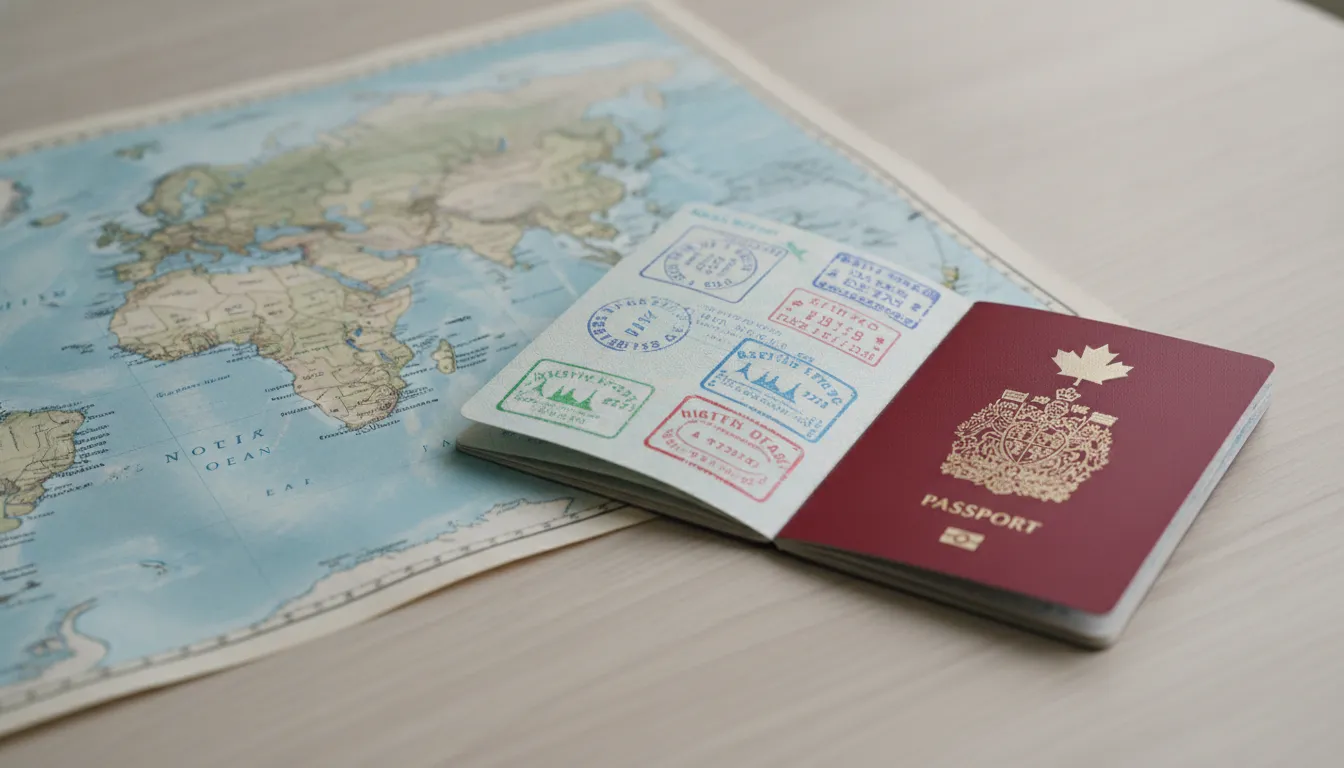
What are the steps to become a citizen of Canada?
The first and most important step to becoming a citizen of Canada is to find out if you are eligible. Assuming you are not eligible because you were born there or have a Canadian parent, you will need to meet the following main conditions:
- Permanent Resident Status: You must be a permanent resident of Canada. This means you are a foreign national who has the right to live in Canada permanently.
- Time Spent in Canada: You must have lived in Canada for at least 1095 days within the last 5 years.
- Days spent in the country on a non-permanent visa (like a work or study permit) count as half-days when calculating this total.
- Days spent as a permanent resident count as full days. This can be summarized in a table:
| Time in Canada (past 5 years) | How it Counts |
|---|---|
| Days as a permanent resident | 1 full day |
| Days on a non-permanent visa | 0.5 half-day |
| Total required presence | 1095 days |
- Tax Filings: You must have filed your income taxes as required by law for at least three years within the five-year period before you apply.
- Language Skills: You must be able to get by in either English or French. This means you can speak, listen, and understand basic conversations.
- Citizenship Test: You need to pass a test about Canada’s history, values, institutions, and rights and responsibilities of citizens.
- Clean Record: Your criminal record must not prevent you from becoming a citizen.
The government website has complete details on all aspects of eligibility for Canadian citizenship. If you think you meet these requirements, you can then follow these steps:
- Get an Application Package: Make sure you download or obtain the correct application package. These packages differ based on your age and current status.
- Fill and Compile: Carefully fill out the application package. Gather all the necessary documents that are asked for. This usually includes proof of identity, residency, and tax filings.
- Pay the Fees: Pay the required application fees online. For an adult, the total fees are currently CA$630.
- Submit Your Application: Send in your completed application package with all documents and proof of payment.
Planning your move and application carefully is important, and resources like a moving abroad checklist can help you organize all the necessary paperwork and steps for moving to a new country, such as China.
How long does it take to become a Canadian citizen?
The Canadian government aims to process Canadian citizenship applications within 12 months from the time they receive your complete package. However, remember that this timeframe does not include the time it will take you to prepare and fill out the application, which can be significant. It is wise to plan well in advance of when you hope to become a citizen.
In some truly urgent situations, it might be possible to get your application processed in less time. You can find more information about these urgent situations on the government’s website.
Do you need to tell countries about your new citizenship?
When you obtain dual citizenship, whether you need to inform both countries of your new status depends on the laws of each country involved, not just Canada. As mentioned, Canada is relatively open about allowing dual citizenship, meaning they typically don’t require you to inform your previous country.
However, your other country might have different rules. It is very important to find out all the relevant information from the other country’s government or embassy. You should inform them as necessary according to their laws to avoid any potential legal issues or unexpected problems with your previous nationality.

Juggling lives between two nations? Managing money across borders.
Living a life that spans two countries can be complex. Along with sorting out visas and citizenship, managing your money internationally can be just as challenging. This is especially true if you frequently need to send money to other countries, whether to your own bank accounts overseas or to others for work or personal reasons.
When you transfer money internationally through traditional banks, you often face high exchange rates and steep fees. This can make living across borders more expensive than it needs to be. Many people look for services that make international money management simpler and more affordable.
One such service is the Wise (formerly TransferWise) borderless multi-currency account. It allows users to hold money in many different currencies without paying high conversion fees every time they need to switch money. With this type of account, you can often make international transfers using the same exchange rates that banks use when they trade with each other. The fees for these transfers are usually low and clearly stated upfront, helping you avoid hidden costs that banks often charge.
Looking ahead, consumer debit cards linked to these accounts were planned to become available from early 2018, making it even easier to use your money around the world.
Wise borderless multi-currency accounts are supported for individuals and businesses in a wide range of countries. These include: Åland Islands, American Samoa, Andorra, Anguilla, Antarctica, Armenia, Aruba, Australia, Bahamas, Barbados, Belgium, Benin, Bermuda, Bhutan, British Indian Ocean Territory, British Virgin Islands, Brunei, Bulgaria, Canada, Cape Verde, Chile, China, Christmas Island, Cocos (Keeling) Islands, Cook Islands, Costa Rica, Croatia, Czech Republic, Denmark, Dominica, Dominican Republic, Estonia, Faroe Islands, Fiji, Finland, France, French Guiana, French Polynesia, French Southern Territories, Georgia, Germany, Greece, Greenland, Grenada, Guadeloupe, Guernsey, Guyana, Haiti, Holy See (Vatican City State), Hungary, Indonesia, Ireland, Isle of Man, Israel, Italy, Jamaica, Jersey, Latvia, Lithuania, Luxembourg, Malaysia, Malta, Marshall Islands, Martinique, Mayotte, Micronesia, Monaco, Mongolia, Montenegro, Montserrat, Morocco, Nauru, Nepal, Netherlands, New Caledonia, Niue, Norfolk Island, Palau, Paraguay, Peru, Philippines, Pitcairn, Poland, Portugal, Puerto Rico, Romania, Réunion, Saint Helena, Saint Kitts and Nevis, Saint Lucia, Saint Pierre and Miquelon, Saint-Barthélemy, Saint-Martin (French part), San Marino, Sao Tome and Principe, Seychelles, Slovakia, Slovenia, South Georgia and the South Sandwich Islands, South Korea, Spain, Suriname, Sweden, Switzerland, Taiwan, Thailand, Turks and Caicos Islands, United Arab Emirates, United Kingdom, Uruguay.
These accounts can handle transfers and currency conversions with a diverse list of currencies, such as AED, AUD, BGN, CAD, CHF, CZK, DKK, EUR, GEL, GBP, HKD, HRK, HUF, ILS, JPY, KES, MXN, NOK, NZD, PEN, PLN, RON, SEK, SGD, TRY, UAH, USD, and ZAR. Additionally, Wise borderless multi-currency accounts can provide local bank details for popular regions and currencies like USD, GBP, AUD, and EUR.
When managing money internationally, it’s always smart to understand the details, such as how Mastercard exchange rates work to avoid extra costs. You can also learn about non-sterling transaction fees if you use UK cards abroad.
Good luck with your journey to obtaining dual Canadian citizenship! If you are interested in working at Wise, you can find more information about careers at Wise.

Sources
| # | Source | Website |
|---|---|---|
| 1 | full information on citizenship eligibility | cic.gc.ca |
| 2 | full details on renouncing your citizenship | cic.gc.ca |
| 3 | urgent situations | cic.gc.ca |
| 4 | careers at Wise | wise.jobs |