Cash vs. Card in Italy: The Best Way to Pay for Travelers
Navigating payments in Italy? Discover when to use cash or cards for different purchases, how to get cash, and tips for UK debit/credit card users.


TL;DR: While debit cards are currently the most common way to pay in Italy, cash is a very close second, accounting for around a quarter of all payments. The best approach for travelers is to use both cash and cards, as each method has its advantages in different situations. For example, cash is often best for small purchases, street vendors, and tips, while cards are convenient for larger amounts and avoiding carrying too much cash.
Imagine you’re enjoying a gelato by the Colosseum or haggling for treasures at a vibrant Italian market. You reach for your wallet, ready to pay, only to find your preferred payment method isn’t accepted. This common travel snag can be frustrating, especially when you’re far from home. For those who split their lives between countries, understanding how money works in Italy is key to staying prepared and enjoying your trip without unnecessary stress, just as knowing how to keep your UK number working abroad is crucial for staying reachable. Knowing the best ways to pay in Italy can make your holiday smoother and help you avoid unexpected problems.
What are the main ways people pay in Italy?
In Italy, people use different ways to pay for goods and services, but cards and cash are the two most popular. While the use of cash has been slowly going down over the years, it still plays a big role in daily life. At present, debit cards are the most common payment method among Italians. Cash comes in as the second most preferred option. Digital wallets, like those on smartphones, are also growing fast in popularity and are expected to catch up to debit cards in the coming years. Even with these changes, many Italians still prefer to use cash. This means that if you’re traveling or living there, you’ll find that both cards and cash are widely accepted.
What should you know about cash when paying in Italy?
Understanding how to use cash in Italy, including when and how much to tip, can help you fit in like a local. Tipping is not as common in Italy as it is in some other countries, but it is always a kind gesture. The amount you might leave depends on the situation, and in some cases, tipping is not expected at all. For example, Italians usually do not tip taxi drivers, according to AFAR. If you decide to leave a tip in a restaurant, a usual amount would be around 10% to 15% of the bill, or you can simply leave any leftover small change. It is a nice way to show your server that you enjoyed your meal and their service, but there is no pressure or obligation to do so.
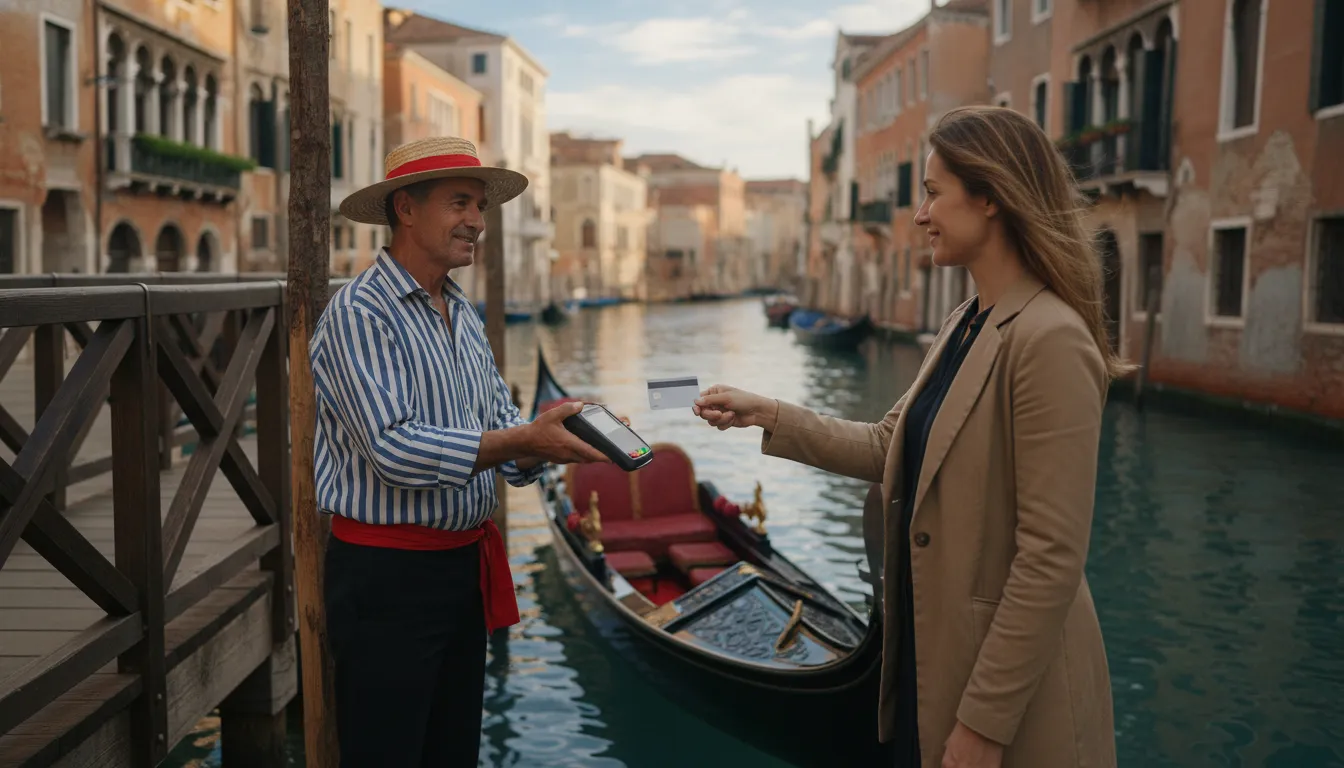
When should you use cash or card for common payments in Italy?
When you are in Italy, you will encounter many situations where you need to pay for things. It is helpful to know whether cash, card, or both are typically accepted. Being prepared with the right payment method can save you time and hassle. Here is a simple guide for common payment scenarios:
| Payment for… | Card 💳 | Cash 💶 |
|---|---|---|
| 🚕 Taxis | Usually, but check with the driver beforehand | Yes |
| 🏪 Convenience stores | Usually, but sometimes not for small purchases | Yes |
| ☕ Coffee shops | Usually, but sometimes not for small purchases | Yes |
| 🚌 Public transport | Yes | Yes |
| 🍽️ Restaurants | Usually, but sometimes not for small purchases | Yes |
| 🛵 Vespa rental | Yes | Yes |
As you can see from the table, many places accept both cash and cards. However, for smaller shops or purchases, cash is often the more reliable choice. For instance, a small local coffee shop might prefer cash for a quick espresso, or a convenience store might decline a card for a very small item. Public transport, like city buses in Rome, often allows card payments directly on board, as noted by ATAC Roma, but having some coins can be useful for older ticket machines or if your card fails. For bigger purchases, like renting a Vespa, both options are usually fine, but it’s always good to confirm beforehand, as suggested by Vittoria Rent.
How can you get cash in Italy using an ATM?
You can easily get cash while you are in Italy by using an ATM. There are approximately 47,000 ATMs located all over the country. You will find them not only at Italian banks but also in places like shopping malls, busy markets, and streets popular with tourists. Most Italian ATMs are open 24 hours a day, 7 days a week, making it convenient to withdraw money whenever you need it. However, ATMs located inside bank branches usually operate during the bank’s opening hours, which are typically from 9 AM to 3 PM.
When you use an ATM, there are usually limits on how much cash you can take out in one transaction. These limits are often between €250 and €1000. The fees for using ATMs in Italy are generally low, and some ATMs might not charge any fees at all, according to ATM Fee Saver. It’s a good idea to check for any fees displayed on the ATM screen before you complete your withdrawal. Understanding what happens to your number when you move abroad is as important as knowing how to manage your finances while traveling.
Can your UK debit card be used in Italy?
Yes, if you have a debit card issued in the UK, you can use it during your trip to Italy. Many places, especially larger stores and restaurants, will accept these cards for payment. However, it is important to remember that some smaller businesses, particularly those in more rural areas or those dealing with very small purchases, might not be set up to accept foreign debit cards. Always have a backup payment option, like cash, for these situations.
Can your UK credit card be used in Italy?
Absolutely, UK-issued credit cards are suitable for use across Italy. Credit cards are often preferred for larger transactions, such as booking hotels, renting cars, or paying for expensive meals. They also offer a layer of consumer protection that debit cards might not. Just like with debit cards, keep in mind that very small local shops might prefer cash.
Why might you choose to use cash in Italy?
Even though debit cards are currently more widely used, cash still holds a special place in Italy. Many Italians, especially older people, prefer to use physical money. Because of this, it is very rare to find a place that does not accept cash. Choosing to use cash can open up certain experiences that you might miss out on otherwise.
For instance, if you want to buy items from street vendors or at local farmers’ markets, cash is almost always the only option. Many small cafes and shops in Italy will also prefer or even require cash for small purchases, as card fees can cut into their profits on tiny sales, as highlighted by Foodie. If you plan to visit many Italian churches and cathedrals, they might accept card payments for donations, but cash is often preferred and easier to use for this purpose. Finally, having cash on hand is useful if you want to leave tips, as these are almost always given in physical money. Being prepared with both payment methods is a smart strategy for any traveler, much like having a moving abroad checklist for overall readiness.

Why might you choose to use credit or debit cards in Italy?
Using credit or debit cards in Italy also offers several advantages, especially in certain situations. If you plan to visit big cities or parts of Italy that are known to have higher rates of petty crime, such as pickpocketing, using cards means you don’t have to carry large amounts of cash. This can give you peace of mind and improve your safety.
Paying with a card, especially through contactless methods, is often much more convenient than dealing with a wallet full of change. You won’t have to worry about collecting foreign coins that you might not be able to use up or convert back to your home currency when you leave. Cards can also be easier to track for budgeting purposes, as all your transactions are recorded. For anyone considering an extended stay, whether for work or leisure, preparing for life abroad includes many financial and practical steps. Knowing how to manage your money in a new country is key, as is understanding how to keep your US number if you’re an American living overseas.
Are contactless card payments common in Italy?
Yes, contactless payment methods are quite common among Italians and are widely accepted across the country. This means you can often simply tap your card or smartphone to pay for things quickly and easily. The maximum amount you can pay using a contactless card in Italy without needing to enter your PIN is 50 euros. This limit is the same in other countries that use the euro, according to Global Payments. It makes small and medium purchases very convenient.
What other ways can you pay in Italy?
Besides regular credit and debit cards, Italy also offers other modern payment methods that are gaining popularity.
Mobile payment
Italians still use digital payment methods less than they use cash, but this trend is changing quickly, and digital wallets are expected to become much more common in the future. Popular wallet apps like Google Wallet and Apple Pay are widely used in Italy, with Google Wallet being particularly favored. However, PayPal stands out as the most commonly used mobile payment application in Italy, according to Pay.com. These apps offer a convenient and secure way to pay, often linking directly to your bank account or a saved card.
Buy now, pay later options (BNPL)
“Buy Now, Pay Later” (BNPL) is a payment method that allows people to split the cost of their purchases into several smaller payments over time. This option is becoming popular around the world, and Italy is no different. Italians are increasingly using both international and local apps that provide BNPL services, letting them pay for items in monthly installments. Some of the most well-known BNPL options in Italy include Klarna and Scalapay, with BNPL transaction values in Italy growing significantly, as reported by Statista. This method can be useful for larger purchases, allowing people to manage their budgets more flexibly.
Is it better to pay with cash or card in Italy?
If you had to pick only one way to pay, it might be slightly better to rely more on cash in Italy. Cash is accepted almost everywhere, including in taxis and at small local businesses, and it’s essential for leaving tips. However, the truly best choice for paying in Italy is to use a mix of both cash and cards. Each option has its own benefits, and by using both, you can take advantage of the strengths of each.
For example, use cash for small purchases, markets, and tips, and rely on your cards for larger expenses like hotel stays, car rentals, or big restaurant bills. This balanced approach ensures you are prepared for any situation you might encounter during your trip to Italy. Understanding local customs, like those for payments in Italy, helps ensure a smooth trip, much like knowing how to keep your French number if you were moving to France.
Frequently asked questions about paying in Italy
Here are some common questions people ask about using cash or cards in Italy:
Can I use my UK debit card when in Italy?
Yes, you can use your UK debit card across Italy, provided that the specific place you are at accepts card payments. It’s always a good idea to have some cash as a backup for smaller shops or purchases. If you are planning to travel extensively or live in another country, it is a good idea to research payment methods there, just as you would look into how to keep your Australian number if you were moving from Australia.
Should I get euros before going to Italy?
There is no strict need to get euros before you travel to Italy. You can easily withdraw cash from ATMs once you arrive. However, having a small amount of euros on hand for immediate expenses upon arrival (like a taxi or a snack) can be helpful.
Is it better to use a credit card or debit card in Italy?
Both credit and debit cards are widely accepted in Italy. The best choice depends on your personal preference and what you plan to buy. Credit cards often provide more consumer protection for larger purchases, while debit cards are good for daily spending from your own money.
Can I use my Visa card at an ATM in Italy?
Yes, Visa cards are commonly used in Italy. You can use your Visa card to withdraw cash from ATMs and also for payments at points of sale (POS) in stores and restaurants.
Is tourist tax paid in cash or card in Italy?
It’s flexible – you can typically pay the tourist tax with both cash and cards. This tax is usually collected by your accommodation provider (hotel, guesthouse) when you check out, as detailed by Experto Italy.
What is the cheapest way to withdraw cash in Italy?
The cheapest way to withdraw cash often involves checking if your home bank has a partner bank in Italy, which might allow you to use their ATMs without extra fees. Otherwise, look for ATMs that don’t charge their own fees and always choose to be charged in euros (the local currency) to avoid dynamic currency conversion fees.
Can I use contactless payments in Italy?
Yes, contactless payments are common and widely accepted in Italy for a quick and convenient way to pay.

Sources
| # | Source | Website |
|---|---|---|
| 1 | AFAR | afar.com |
| 2 | ATAC Roma | atac.roma.it |
| 3 | Vittoria Rent | vittoriarent.it |
| 4 | ATM Fee Saver | atmfeesaver.com |
| 5 | Foodie | foodie.com |
| 6 | Global Payments | globalpayments.com |
| 7 | Pay.com | pay.com |
| 8 | Statista | statista.com |
| 9 | Experto Italy | expertoitaly.com |