Money-Saving Hacks for Expats Moving to Italy
Moving to Italy can be expensive. Discover smart hacks like avoiding a car, managing belongings, cancelling subscriptions, and paying cash to save hundreds on your move.


TL;DR: Moving to Italy can be expensive, but you can significantly save money when you move to Italy by planning carefully. For instance, avoiding a car can save you hundreds or thousands of euros in ownership costs, and skipping a TV can cut about €100 a year from your bills. Taking care of old subscriptions, managing your moving items yourself, and paying with cash are other key ways to reduce your moving to Italy cost.
Dreaming of sunny Italy, maybe after watching a classic film like “Life Is Beautiful”? Moving to a new country like Italy is an exciting adventure, but it often comes with many hidden costs. Many people jump into the move without realizing how much little expenses can add up. One common mistake is not properly cutting ties with services in your home country, which can lead to unexpected bills or difficulties staying reachable. Let’s explore some smart expat hacks Italy to help you keep your budgeting for Italy move in check, ensuring a smoother start to your life abroad.
Should I buy a car when I move to Italy?
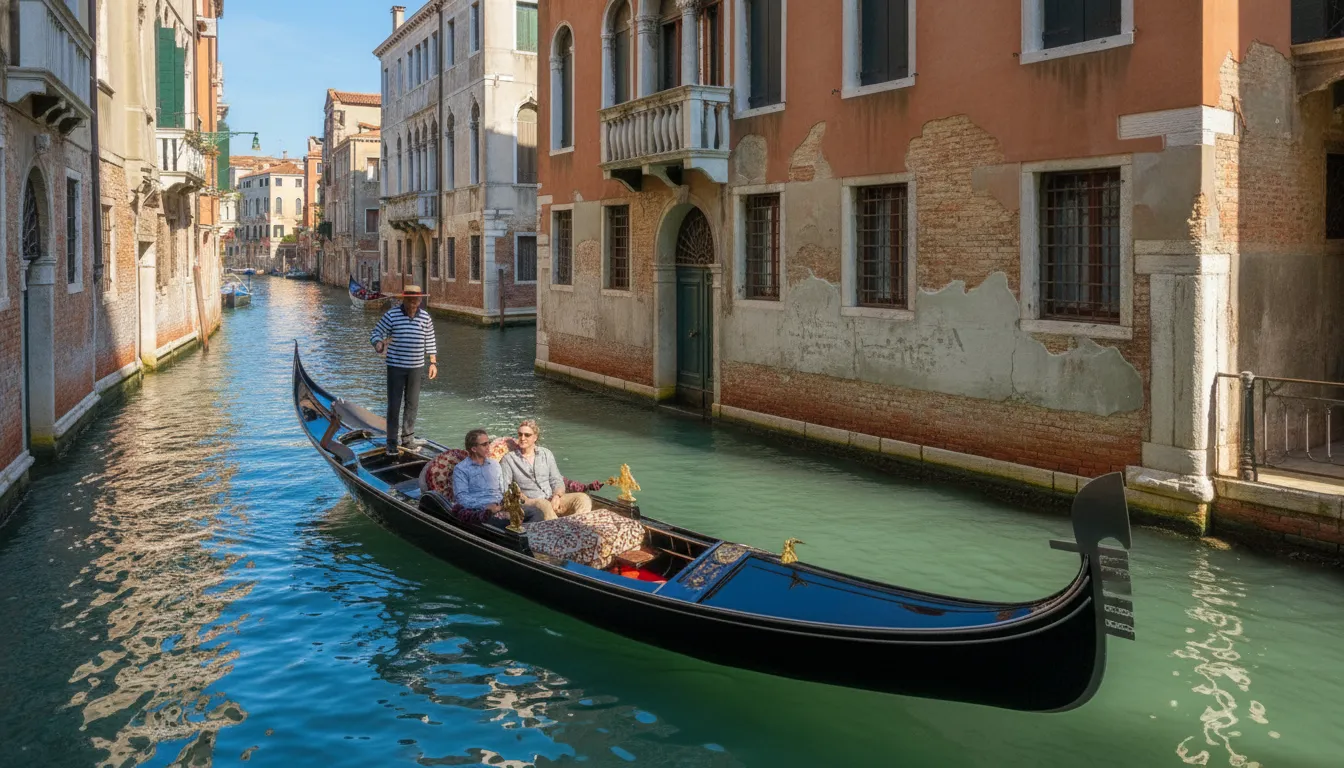
You might think a car is a must-have, but for most people moving to Italy, especially to big cities, it’s wiser not to buy one. Owning a car in Italy comes with high administrative costs. Think about registration fees, insurance, and taxes – these can quickly add up.
Many major Italian cities have narrow, crowded roads, and finding a parking spot can be very hard, like finding a rare treasure. Some city areas are even closed to cars completely. While the quality of public transport can differ, cities like Rome offer good bus, tram, and metro services that are much cheaper than owning a car. You can save a lot of money and stress by relying on public transport or even walking and cycling. This is a top way to reduce your moving to Italy cost.
How can I save money on moving my belongings to Italy?
Moving all your possessions to a new country can be very expensive, but you can cut down on costs by doing more of the work yourself. Many companies offer services for international moves, from renting a van to managing the whole process. These services are convenient, but they come at a high price.
Instead, consider what you can do without professional help.
- Pack yourself: Pack your own boxes instead of paying a company to do it.
- Get help from friends: If you have friends with a large car or a small van, see if they can help you transport items over short distances. This is a great chance to use any favors friends might owe you!
- Sell or donate: Decide what you truly need to bring. Italians are known for their sense of style, so think about whether you really need those old T-shirts. Selling or donating items you don’t need before you move can save you money on shipping and give you a fresh start. Doing more yourself gives you greater control over what moves with you and can be a significant part of your international relocation savings Italy.
Here is a simple comparison of moving options:
| Moving Method | Typical Cost | Control Over Items | Effort Required |
|---|---|---|---|
| DIY Move | Much Lower | High | High |
| Professional Mover | Much Higher | Lower | Low |
As you can see, choosing to manage your move yourself, even partially, can lead to much lower costs.
Is taking a coach a cheap way to move to Italy?
If you are moving from another European country, taking a coach can be a surprisingly smart and cheap way to travel to Italy. While it might not be suitable if you’re coming from far away like Australia, coaches are often much cheaper than plane tickets for shorter international journeys within Europe.
There are several coach companies that operate across Europe. Besides saving money, choosing a coach also helps reduce your carbon footprint, making it a greener travel option. Another big plus is that coaches are usually less strict about luggage weight and size compared to airlines. This means you might be able to bring an extra bag or two without paying high fees, which can be a huge help when moving all your things. Just remember to bring a good book and a comfy cushion for the journey! This is a simple yet effective cheap ways to move to Italy tip.
How can I avoid extra bills from my old home country?
One easy way to waste money when you move is forgetting to cancel services from your old home. Before you leave, make sure to take care of all your old bills and subscriptions. This includes:
- Gym memberships: Cancel your membership and clean out your locker.
- Magazine subscriptions: Stop any regular deliveries.
- Credit cards: Settle any outstanding balances.
- Household bills: Make sure to close accounts for electricity, gas, and water.
- Phone contracts: This is especially important for staying reachable. If you want to keep your old phone number, look into services that let you port it to an app or an eSIM. For example, if you’re coming from the UK, you might want to learn how to keep your UK number abroad. Similarly, if you’re an expat from the US, our guide on how to keep your US number abroad can help you manage this common challenge. Don’t let old contracts charge you while you’re trying to settle into your new life! This careful planning helps in reducing expenses in Italy.
How can I manage my money and expenses better as an expat in Italy?
Once you arrive, getting your finances in order is key to managing money when moving abroad Italy. Opening an Italian bank account is usually not difficult, but it often takes time, and you might need to be a resident first. This means you need a plan for accessing money right after you arrive, before your new account is ready.
How can I access my money easily in Italy?
You will need a way to pay for things and get cash when you first arrive. You don’t want to carry a large amount of cash in your suitcase. Instead, plan to use your existing debit or credit cards for a short period. Check with your home bank about any international transaction fees or ATM withdrawal limits they might have. Some banks charge high fees for using your card abroad, which can quickly eat into your budget.
Also, be aware of exchange rates. When you pay or withdraw money in euros, your bank will convert your home currency. Always try to get the real exchange rate without hidden markups. Understanding these financial details is part of smart budgeting for Italy move.
Does paying cash save money in Italy?
Yes, paying with cash can often save you money in Italy. Many Italian businesses, especially smaller ones, prefer cash payments. They sometimes have to pay fees for card transactions. Because of this, they are often willing to give you a small discount if you pay with cash.
So, the next time you are buying something, especially in a small shop or market, try asking for a “sconto” (discount) if you pay with notes and coins. You might be surprised how often they say yes! This is a useful tip for reducing expenses in Italy.
Can I save money by not having a TV in Italy?
You can definitely save money by choosing not to have a TV set in Italy. In Italy, owning a TV usually means you have to pay a yearly license fee. This fee, which is around €100 per year, is often added directly to your electricity bill.
However, you don’t have to pay this license fee if you watch content on a computer or other devices. So, if you’re happy watching your favorite shows and movies online, you can simply skip buying a TV. This simple choice can cut a regular expense from your expat living costs Italy.

What should I check about my new apartment in Italy?
Before you sign a lease for an apartment in Italy, make sure you know exactly what is included. This might seem obvious, but it’s crucial for avoiding unexpected costs and stress.
- Furnished apartments (ammobiliato): These usually come with furniture, but you need to confirm what specifically is provided. Does it include bedding, kitchenware, or small appliances? If not, you’ll need to buy these yourself.
- Unfurnished apartments (non ammobiliato): These are completely empty, meaning you’ll need to get everything from beds and tables to kitchen cabinets. This can be a huge upfront cost.
There are also many apartments that fall somewhere in between fully furnished and completely empty. Always ask for a detailed list of what comes with the apartment. You don’t want to arrive and find you have too many plates for the cupboards, or worse, no cupboards at all! Knowing these details will help you with budgeting for Italy move and prevent extra spending on things you thought were included.
What else should I budget for when moving to Italy?
Beyond your daily living costs, remember to plan for specific items or situations that might affect your budget, especially if you have a pet.
Plan for your pet’s move to Italy.
If your furry friend is coming with you to Italy, you need to budget for their travel and ensure all legal requirements are met. To avoid your beloved pet being put in quarantine, they must be:
- Microchipped: This is for identification.
- Vaccinated: Especially against rabies.
- Equipped with a pet passport: This document proves your pet’s health and vaccinations, as explained by Gov.uk.
It’s always a good idea to check with animal travel specialists, like PetTravel.com, before you move. This is especially true if you plan to bring more than five animals, as the rules for many EU countries, including Italy, can change after the fifth pet. Also, be aware of specific breed restrictions in certain areas; for example, Doberman Pinschers are not allowed in Venice. Accounting for these pet-related expenses is another important aspect of budgeting for Italy move.
Moving to Italy is an incredible experience, but the country is known for its bureaucracy. This means new arrivals might find it hard to get everything done efficiently. By keeping a close eye on your costs and using these moving to Italy tips, you can navigate your new life more smoothly. Most importantly, enjoy every moment of your Italian adventure! In bocca al lupo! (Good luck!)
Related reading
Sources
| # | Source | Website |
|---|---|---|
| 1 | Gov.uk | gov.uk |
| 2 | PetTravel.com | pettravel.com |