
How to Buy a Car in Australia: The Expat's Complete Guide
Moving to Australia? Our guide helps expats buy a car locally, covering average costs, registration, payment, and essential driving rules. Simplify your car purchase as an expat.


TL;DR: If you’re an expat moving to Australia, buying a car locally is often easier and cheaper than importing your own. Expect to pay around $26,346 AUD for a small car, $40,453 AUD for an SUV, or $45,728 AUD for a medium sedan. Ongoing costs like fuel, insurance, and maintenance can add up to $10,000 AUD to $25,000 AUD each year. You’ll need to register and insure your car, and always drive on the left side of the road.
Australia is a huge country with vast distances between its cities and beautiful natural areas. While big cities have public transport, having your own car gives you the freedom to explore all these places. For people splitting their lives between countries, having reliable transport is key to feeling settled and independent. Relying only on public transport might mean a lot of walking or wasted time, which isn’t ideal if you’re busy or want to see more of the country. This guide will walk you through everything you need to know about getting your own wheels in Australia.
Should you bring your own car to Australia or buy a new one there?
Bringing your current car to Australia can be complicated because the Australian government has strict rules for importing vehicles. If you want to bring a car into the country, you must first get approval from the Australian Department of Infrastructure, Transport, Regional Development, Communications and the Arts (DITRDCA). Without this approval, your car might not be allowed in, or it could even be held by customs when it arrives. You might also have to pay fines.
If you plan to use your imported car on Australian roads, you’ll need to get special approval called a concessional Register of Approved Vehicles (RAV) approval. This is the most common way for people moving to Australia to bring their cars. However, you will also need to pay different import taxes. These include Customs Duty, Goods and Services Tax (GST), and sometimes a Luxury Car Tax if your vehicle is very expensive.
Considering all these extra costs and the complex process, it might actually be cheaper and simpler to just buy a car once you are in Australia. Even if you buy locally, you will still need to pay for registration and mandatory insurance. Making big financial decisions when you live between countries can be tough, but getting clear information helps a lot. If you’re wondering how to keep your old phone number working while you manage these changes, you can find helpful tips in our guide on what happens to your number when you move abroad.
How do you buy a car in Australia?
Buying a car in Australia follows a process very similar to what you might be used to in other countries, like the UK. Here are the main steps to follow:
- Do your homework: Start by looking into the types of cars you like, their makes, and models. Check what different car dealers offer and also look at cars sold by private owners.
- Set your budget: Decide how much you can spend. Also, think about how you will pay for the car, such as using car finance if you need to.
- Check the car and test drive: Always inspect the car closely. Look for any damage or issues. Then, take it for a test drive to see how it feels to drive.
- Check the car’s history: It’s very important to check the government’s Personal Property Securities Register (PPSR) to make sure the car is legally safe to buy. You can use the car’s Vehicle Identification Number (VIN) or chassis number to check if it has been reported stolen, has any money owed on it, or has been written off in an accident. This check costs a small fee of about $2 AUD.
- Agree on a price: Talk with the seller and agree on the final price.
- Buy and register: Once you’ve paid, you’ll need to register the vehicle in your name and get car insurance.
- Enjoy your car!
What is the cost of owning a car in Australia?
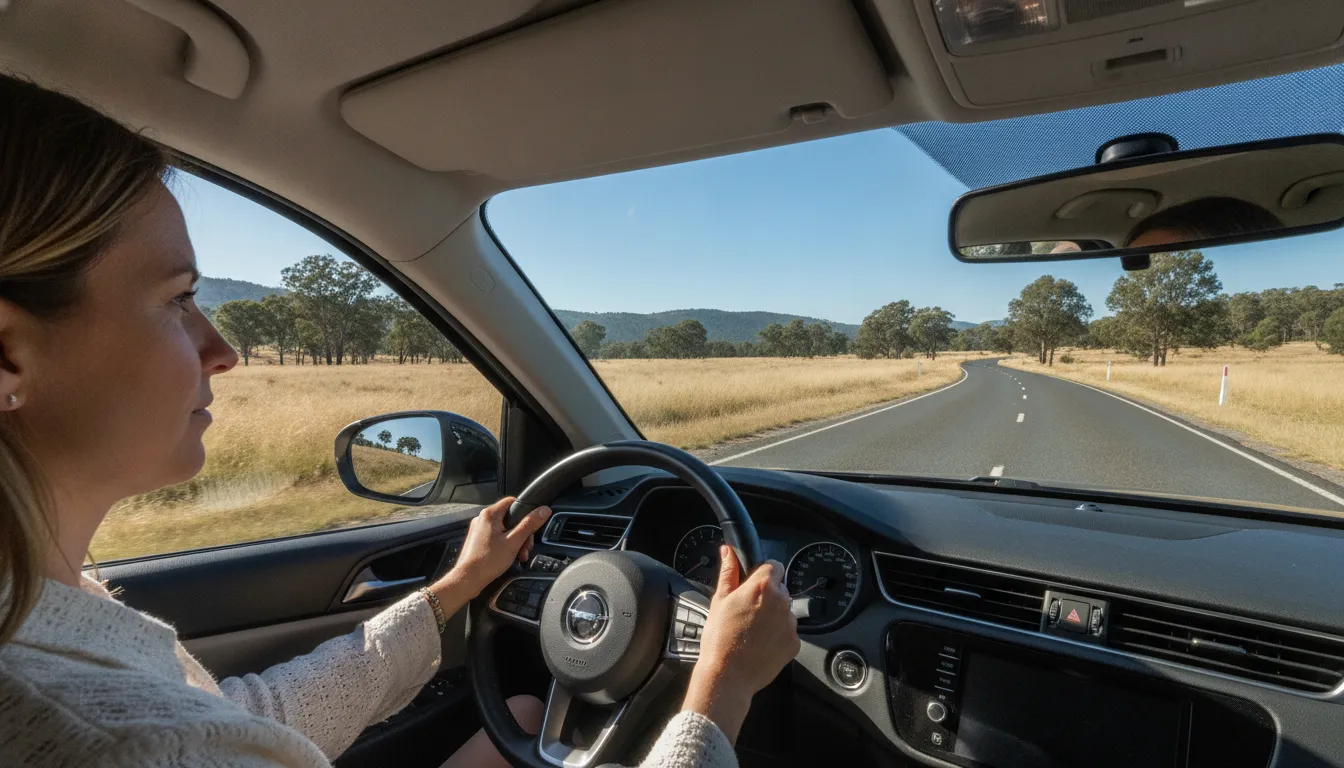
When you plan to buy a car in Australia, you need to think about two main types of costs: the price you pay to buy the car itself, and the ongoing costs of keeping and running it. These ongoing costs include things like fuel, insurance, and regular maintenance or services. For expats, understanding these costs is crucial for budgeting your life abroad, especially when you might also be managing finances across different countries.
On average, buying a small car in Australia costs around $26,346 AUD. If you prefer an SUV, the price goes up to about $40,453 AUD. For a medium-sized sedan, you can expect to pay around $45,728 AUD.
Here’s a quick look at average car purchase prices:
| Car Type | Average Purchase Price (AUD) |
|---|---|
| Small Car | $26,346 |
| SUV | $40,453 |
| Medium Sedan Car | $45,728 |
When it comes to the ongoing costs of owning a car, the average Australian household spends between $10,000 AUD and $25,000 AUD every year. These costs can change depending on where you live in Australia. For example, Western Australia is known as the most expensive state for car ownership.
Insurance prices also vary a lot. They depend on many things, like your location, your age, the model of your car, and other personal details. Fuel prices in Australia change with world oil prices, but usually, petrol is about 38% cheaper than in the UK. As of September 2025, the average cost for petrol in Australia is around $1.81 AUD per litre. According to Numbeo, the cost of living in Australia is generally similar to, or slightly higher than, the UK, but some specific costs like fuel can be more favourable.
Besides these, car owners in Australia also face fees for registration and vehicle inspections. These costs, and the rules about when they are needed, are different in each Australian state.

Where can you find a car in Australia?
Once you know what kind of car you want and whether you prefer a new or used one, you can start looking for it. A good first step is to visit Australian dealerships that sell the type of vehicle you’re interested in. If you’re looking for a used car, you’ll likely find many options on online classified websites.
Some popular websites for finding used cars include gumtree.com.au, autotrader.com.au, and carsales.com.au. Australia is a very large country, and there are countless choices, so it’s a good idea to do some research online before visiting many dealerships. This helps you narrow down your choices and find the best deals.
Here are some top websites to help you start your search for a car:
How can you pay for a car in Australia?
You can usually pay for your car in Australia using common banking methods. These include credit or debit card, bank transfer, or even cash. Most Australian car dealerships accept all major credit cards, and many also take cash payments.
If you are sending a large sum of money from overseas to pay for your car, make sure you understand the exchange rates and fees involved. Different banks and money transfer services have various costs.
How do you register a car in Australia?
Each state and territory in Australia has its own rules for vehicle registration, and these can be quite different from one place to another. If you’re an expat, it’s a good idea to check the transport department’s website for the specific territory where you’ll be living for full details. For example, if you moved to Australia from the UK, the rules for getting your vehicle registered might be different from what you’re used to. Understanding these local details is as important as knowing how to keep your UK number abroad or your number if you’re coming from another country like Germany.
Generally, if you buy a vehicle from a dealership in the same state where it will be registered, you often don’t have to worry too much about the registration process. Good car sellers usually collect all the necessary information and handle the legal paperwork, like registration, for you.
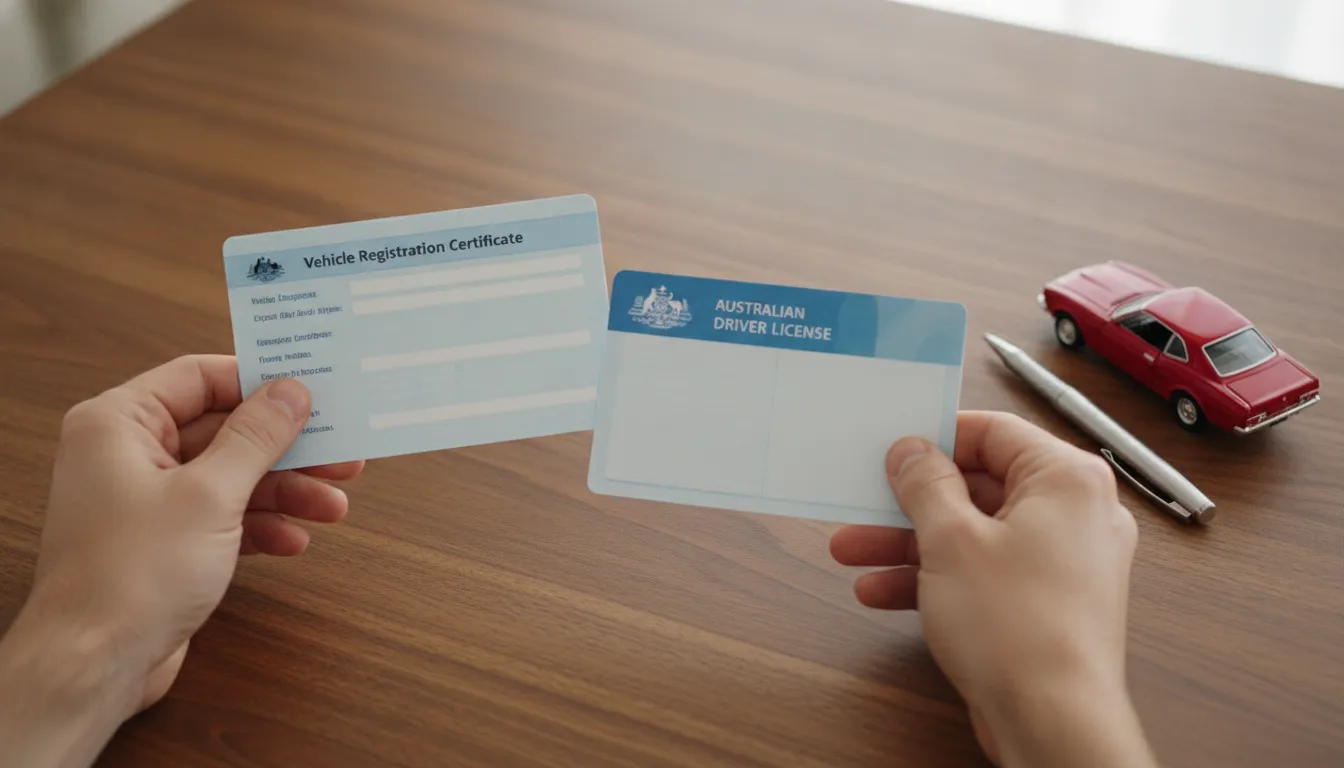
To register a vehicle in any state, you will usually need to show some form of proof that you bought the car, along with identification. Your passport and a valid driver’s license are usually enough. In some parts of Australia, you also need a ‘roadworthiness certificate’ for registration. This document shows that a vehicle inspector has checked the car and confirmed it meets Australian safety and environmental rules.
What should you know about driving a car in Australia?
Driving in Australia is a bit different from some other countries. Like most countries that use the metric system, Australians measure speed and distance in kilometres, not miles. They also use litres, not gallons, when talking about petrol.
One very important thing to remember is that Australia is a left-driving nation. This means you drive on the left side of the road, and the driver’s seat is on the right side of the car. If you’re from a country that drives on the right, like the US, this will take some getting used to. Keeping your home country’s number active, for example with a service that helps you keep your US number abroad, can help you stay connected while you adjust to these new driving norms.
Australia has very strict speed limits, and they use speed cameras to catch drivers who go too fast. Always make sure you are driving within the legal speed limit. If you are in an area where you don’t see a speed limit sign, you should assume the speed limit is 50 km/hr, unless it’s a residential street or near a school.
What equipment must you have in your car in Australia?
Unlike some countries that require you to carry things like a first-aid kit or a reflective vest, Australia has very few compulsory items for your car. The main requirements are about safety for people inside the vehicle.
It is mandatory for everyone in a moving vehicle to wear seatbelts. Also, approved child car seats must be used for children as required by law. There are no other pieces of equipment that you are legally required to keep in your car.
What driving laws should you know about?
Many driving laws in Australia are similar to those in other Western countries. However, it’s good to be aware of the specific rules 1:
- Drink driving is illegal: The legal limit for alcohol in your blood while driving in Australia is 0.05%. It is a serious offense to drive over this limit.
- Seatbelts are a must: All passengers in a moving vehicle must wear seatbelts at all times. As the driver, it’s your job to make sure everyone is buckled up.
- No mobile phones while driving: Using a mobile phone by hand while you are driving is against the law. This includes texting, making calls, or even touching your phone.
- Carry your license: You should always have your valid driving license with you when you are driving.
- Child restraints: If you are driving with children, you must ensure they are in approved child restraints or car seats, suitable for their age and size. This is the driver’s responsibility.
These laws are in place to keep everyone safe on Australian roads. If you’re coming from somewhere like Spain, you might find some similarities in the driving rules, just as you might find similarities in how to keep your Spanish number abroad.
What driving licenses are accepted in Australia?
To drive a car in Australia, you must have a valid driving license. If you are a foreigner with a driving license that is in English, you can legally use it for up to three months from the day you arrive in Australia.
After this three-month period, you will need to apply for an Australian driver’s license. It’s important to do this to ensure you are driving legally. If you’re managing life in Australia while also staying connected to family and friends in your home country, remember that keeping your existing phone number can simplify communication, and you can learn more about how to keep your Australian number abroad for future reference.
Are there major roadside assistance services in Australia?
Yes, there are major roadside assistance services in Australia. Each Australian territory has its own main roadside assistance group. However, you usually don’t need to buy a membership for every single area you plan to visit or live in.
These popular roadside assistance companies often work together. This means that if you are a member of one group, they can usually arrange for services from a partner group, even if you are outside of your usual area. This provides good coverage across the country.
What are some useful words for drivers in Australia?
Moving to a new country often means learning new words, even for simple things like cars and driving. Here’s some helpful vocabulary you might hear when buying or driving a car in Australia:
| Australian Term | Simple Meaning |
|---|---|
| Registration (Rego) | This is a slang term for “vehicle registration.” Every car in Australia must be officially recorded in the government’s database to be allowed on the road. |
| Backpack Car Dealership | These are car dealerships that specifically help backpackers and tourists. They offer fair prices on decent cars and often have a buy-back option for when you finish your travels. |
| New car | A car that has never been sold or owned by anyone before. |
| Used car | A car that has been owned by another person or company before you buy it. |
| 000 | This is Australia’s emergency telephone number. You call this number for police, fire, or ambulance in an emergency. |
| Motoring group | These are Australian clubs or organisations that drivers can join. They often offer services like roadside assistance and discounts on driving services for a yearly fee. |
| Outback | This is the common term used to describe the very remote, dry, and often desert-like inland areas of Australia. |
| Servo | This is a shortened, informal term for a “service station,” which is where you buy petrol and sometimes snacks or drinks. It’s like a self-service petrol station. |
| Roadworthiness Certificate | A document that shows a qualified expert has inspected a vehicle and confirms it is safe to drive and meets Australian standards. This is required for registration in some states. |
| Ute/Utility | This is the Australian term for a pickup truck. It’s a vehicle with an open cargo area at the back. |
Making a big purchase like a car in a new country can feel a bit scary. But by doing your research and moving carefully through the process, it can be much simpler and less stressful. With the right information, you’ll be happy with your new car. Good luck and drive safely!
Related reading
- Property Survey Australia: Essential Guide for Buyers
- Property Valuation in Australia: Your Essential Expat Guide
Footnotes
Sources
| # | Source | Website |
|---|---|---|
| 1 | Carsguide | carsguide.com.au |
| 2 | Carsales | carpoint.com.au |
| 3 | Drive | drive.com.au |
| 4 | Australian Government Department of Infrastructure, Transport, Regional Development, Communications and the Arts | infrastructure.gov.au |
| 5 | Australian Government | ppsr.gov.au |
| 6 | Jacaranda Finance | jacarandafinance.com.au |
| 7 | Numbeo | numbeo.com |
| 8 | Australia Backpackers Guide | australia-backpackersguide.com |
| 9 | Insurance 4 Car Hire | insurance4carhire.com |
| 10 | GOV.UK | gov.uk |