
How to Get Australian Citizenship: Your Essential Guide
Learn how to obtain Australian citizenship. This guide covers key requirements, fees, processing times, dual citizenship rules, and the path to becoming an Australian citizen.

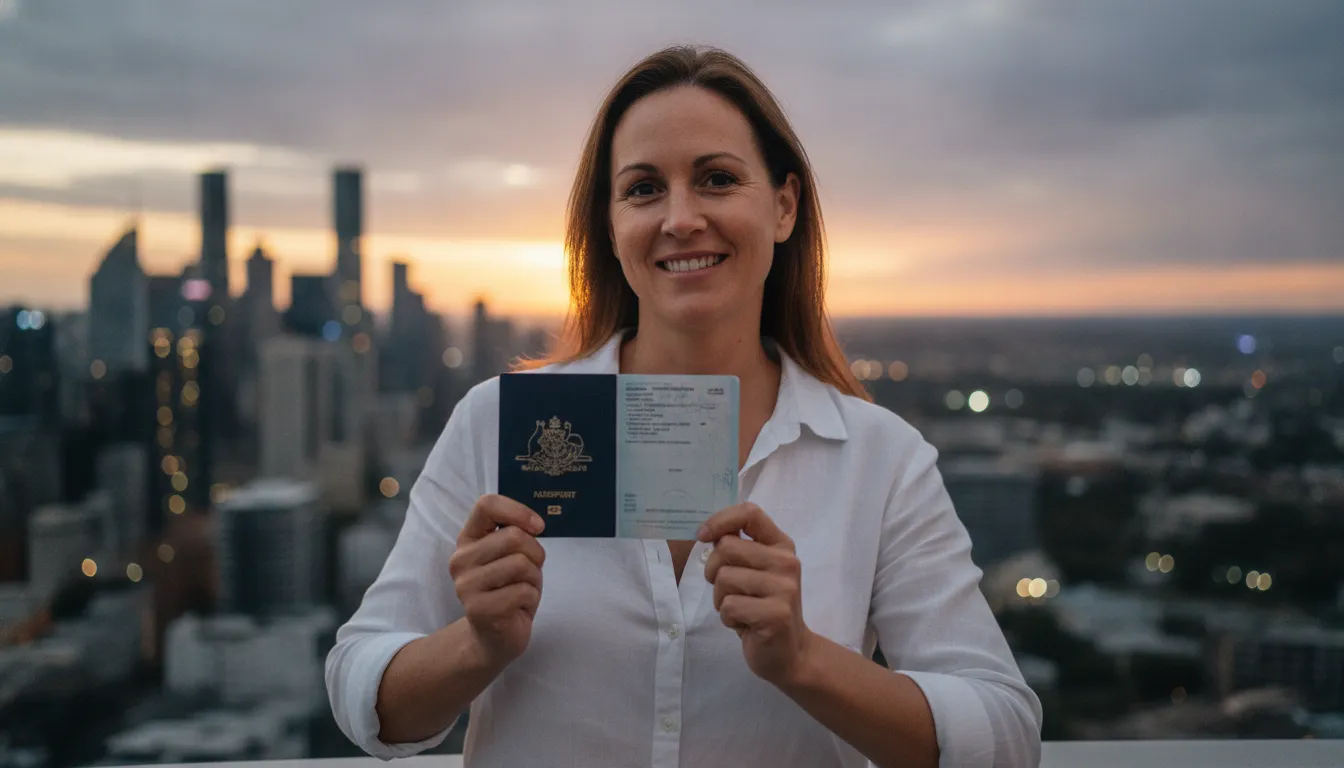
TL;DR: To get Australian citizenship, most people need to have lived in Australia for four years, with the last 12 months as a permanent resident. Application fees usually range from 40 to 285 Australian Dollars. The process can take anywhere from 2 to 4 months for citizenship by descent to up to 12 months for other routes.
Living in a new country like Australia offers a fantastic lifestyle, with its strong economy, beautiful beaches, and excellent quality of life. Many people choose to move here to live and work, building a new home away from home. But while a visa lets you stay temporarily, Australian citizenship gives you a deeper, more lasting connection and more rights within the country. For those who split their lives between countries, securing Australian citizenship can also offer peace of mind. It ensures you can maintain strong connections and your identity in both places, helping you decide if you want to keep your original phone number or get an Australian one for everyday use. Understanding the process can make your move smoother and help you feel more settled.

What Is the Difference Between Permanent Citizenship and Permanent Residence in Australia?
Being an Australian citizen gives you a different set of rights and responsibilities compared to someone who holds Australian permanent residence. While permanent residents can live and work in Australia for an unlimited time, citizens gain a deeper bond with the nation and access to additional benefits.
Here are the key distinctions:
- Working in Public Service: One significant advantage of being an
Australian citizenis the ability to work in the Australian Public Service. This option is not open to permanent residents. - Political Engagement: Citizens have the right to stand for election and be chosen to serve in parliament, actively shaping the country’s future. Permanent residents do not have this right.
- Travel Benefits: Only
Australian citizenscan apply for anAustralian passport. This passport makes international travel much easier, often allowing for visa-free entry to many countries. It also guarantees your right to enter Australia at any time. - Mandatory Voting: In Australia, voting is a legal requirement for all citizens. You have a duty to cast your vote in both federal and state elections, as well as in national referendums. This responsibility helps ensure everyone participates in the country’s democratic process.
- Upholding Values: As a citizen, you make a formal promise to support and uphold core Australian values, such as equality and fairness. This pledge is a key part of becoming a member of the Australian community.
If you are thinking about taking this important step, the Australian border authorities share inspiring personal stories from people who have successfully become Australian citizens. Reading about their experiences and reasons for choosing citizenship can help you decide if this path is right for you.
What Are the Key Requirements to Become an Australian Citizen?
To apply for Australian citizenship, you generally need to already have Australian permanent residence. However, another route is available: you might qualify for Australian citizenship by descent if at least one of your parents was an Australian citizen when you were born.
Regardless of the path you choose, you must meet certain fundamental conditions to be eligible. A great starting point is to use the online eligibility test provided by the authorities to check if you meet the initial criteria for Australian citizenship requirements.
Most applicants must pass a specific residency test. This means you need to show:
- You have lived in Australia legally for the past four years.
- During those four years, you must have held
permanent residencestatus for at least the last 12 months. - Throughout the entire four-year period, your total time spent outside Australia should not be more than 12 months.
- Specifically, during the last 12 months as a permanent resident, you must not have been outside Australia for more than 90 days.
This calculation can be quite detailed, so the border authorities offer a useful residency calculator online to help you figure out if your situation fits the rules. Extended periods spent outside Australia can affect your eligibility. It’s also wise to consider what happens to your number if you move abroad and plan your residency carefully to maintain your ties.
Other common Australian citizenship requirements include:
- Good Character: You must demonstrate that you are a person of good character, meaning you have a clear record and abide by laws.
- English Language Skills: You need to show that you can speak and understand English to an acceptable level for daily life and civic participation.
- Understanding Citizenship Principles: You should understand the basic ideas and responsibilities that come with
Australian citizenship. - Ongoing Ties to Australia: You must prove that you have continuing connections to Australia, which could include family, work, or community involvement.
For individuals who are under 17 years old or over 60 years old, some of these requirements might be waived, making the process simpler. All applications for Australian citizenship are managed by the Department of Borders and Immigration, and their official website is the best place to find detailed process information and application forms.
Can You Hold Dual Citizenship with Australia?
Yes, it is possible to have dual citizenship Australia, which means you can be a citizen of Australia and another country at the same time. This was not always the case; before 2002, Australia generally did not allow its citizens to also hold citizenship of another nation. However, the rules have since changed.
Australia now allows you to hold Australian citizenship along with the citizenship of one or even multiple other countries. But there are important conditions you must meet:
- You must meet the eligibility requirements for citizenship in all countries involved.
- The other country or countries must also permit
dual citizenship. Not all nations allow their citizens to hold another passport. For example, some countries have specific rules about keeping your old nationality when you become a new citizen. Understanding these rules is essential; you can learn more about how to keep your German number abroad if you have ties there, as a similar logic applies to citizenship.
Having dual citizenship offers significant benefits for people who live or spend time in different countries. It helps them maintain their legal rights and identity in both places, making it easier to manage aspects of their lives such as travel, property ownership, and communication. For instance, dual citizenship can simplify managing multiple phone numbers, perhaps through an eSIM, allowing you to use your preferred local number without extra hassle. If you’re weighing your options for handling phone numbers across borders, you might find valuable insights comparing eSIM vs. physical SIM to keep your number.
What Are the Different Ways to Obtain Australian Citizenship?
There are several different ways you can obtain Australian citizenship, depending on your specific personal situation. Besides the common paths discussed below, there are also particular routes available for refugees or individuals who qualify based on humanitarian grounds. The rules for Australian citizenship also differ slightly for children and for people who are over 60 years of age.
If you are uncertain about which path is the most suitable for you, it is highly recommended to consult with an immigration lawyer. They can provide expert guidance through the complex process and help you choose the correct application type for your circumstances.
Can You Obtain Australian Citizenship Through Investment?
No, there is no direct or special route to become an Australian citizen simply by investing money in the country. Even if you are already living in Australia as a foreign investor or entrepreneur, you will still need to follow one of the standard Australian citizenship routes, such as first obtaining permanent residence. Investment can help with permanent residence visas, but not directly with citizenship.
Can You Obtain Australian Citizenship Through Descent or Ancestry?
You can become an Australian citizen by descent if at least one of your parents was an Australian citizen when you were born. This rule applies even if you were born outside of Australia and even if your Australian parent later changed their citizenship to another country. The key is their citizenship status at the time of your birth.
To qualify for citizenship by descent, you will still need to:
- Show that you are of good character, upholding community standards.
- Prove your identity with official documents.
- Provide clear proof of your Australian parent’s citizenship at the time of your birth.
If you apply through this specific route and submit all the required documents correctly, your application can typically be processed quite quickly. You can expect it to take between 2 to 4 months. This makes Australian citizenship by descent one of the fastest and most straightforward ways to secure your place as an Australian. For more detailed information and the official application steps, the Department of Home Affairs provides a comprehensive guide on citizenship through descent on their website.
Can You Obtain Australian Citizenship Through Marriage?
There is no special route specifically for Australian citizenship by marriage. This means that even if your husband, wife, or de facto partner is an Australian citizen, you must still fulfill all the regular Australian citizenship requirements. These include meeting the standard rules regarding residency and demonstrating good character, just like any other applicant.
However, having an Australian spouse or partner can be a significant advantage in your application. It helps you demonstrate strong, ongoing ties to Australia, which is an important factor considered during the assessment of your application. This strong connection can be particularly helpful for expats trying to establish a new life abroad, and can tie into other aspects of your life, such as when you are planning to move your home abroad and want to ensure a smooth transition and long-term stability.
How to Apply for Australian Citizenship
The basic steps for how to obtain Australian citizenship are generally similar for all applicants, regardless of the specific grounds for your application. The process is designed to be clear and structured.
Here are the key stages:
- Check Eligibility: Begin by thoroughly checking that you meet all the current
Australian citizenship requirements. The tools and information available on the border authorities’ website are the best place to do this. - Gather Documents: Collect all the necessary paperwork and proof that will support your application. This commonly includes identity documents, evidence of your residency period, and character references. A detailed checklist for moving abroad can often help you organize necessary personal documents.
- Submit Application: You have the option to
apply for Australian citizenshipeither online through the official portal or by submitting a paper form. Applications can be made from within Australia or from overseas. - Pay Fees: You will be required to pay the applicable application fees when you submit your form.
Once your application has been processed and tentatively approved, you might then be asked to attend a citizenship test or an interview, depending on your circumstances.

Application Fees and Cost for Australian Citizenship
When you submit your application for Australian citizenship, you will need to pay a fee. The cost of Australian citizenship can vary, but generally, the fees range between 40 and 285 Australian Dollars. In certain situations, concessions might be available, which means you could pay a reduced fee. Always check the official government website for the most up-to-date fee schedule before applying.
It is crucial to budget for these fees as they are a mandatory part of the application process. These fees help cover the administrative costs of processing your application and conducting background checks.
Here’s a general idea of the fee range for different application types (these numbers are indicative and can change, always check official sources):
| Application Type | Typical Fee (AUD) |
|---|---|
| General Citizenship by Conferral (Adult) | 285 |
| Citizenship by Descent | 230 |
| General Citizenship (Concessional) | 40 |
| General Citizenship (Other Concessions) | 180 |
Note: These are typical ranges. Always check the official government website for the most current fees and specific details about concessions. If you’re managing finances internationally, understanding costs like non-sterling transaction fees can also help you save money on related expenses.
The Australian Citizenship Test
After you have paid the required fees and your application has progressed, you will arrange to take your Australian citizenship test. This test serves two main purposes:
- It checks your understanding of the rights and responsibilities you will have as an
Australian citizen. This includes knowledge about Australian laws, government, and cultural values. - It assesses your English language level, ensuring you can communicate effectively within the community.
To help you prepare, many practice tests and educational resources are available online. Using these materials can significantly improve your chances of success. Once you pass the test and your application is fully processed, the very last step is to make the Australian citizenship pledge. This solemn promise takes place at an official citizenship ceremony, to which you will be invited shortly after your application has been approved. Preparing for such a significant life event can be made easier by exploring practical resources like must-have apps for expats that aid in daily life and integration.

How Long Does It Take to Get Australian Citizenship?
The time it takes to process your Australian citizenship application can vary significantly. It largely depends on your individual circumstances and the specific route you are taking to become a citizen. Generally, obtaining citizenship by descent is the quickest path.
The Australian border authorities regularly publish service standards, which offer a helpful guide to predict how long it might take to get your Australian citizenship. These standards reflect the average processing times for different application types.
- For
citizenship by descent, the process typically takes between 2 to 4 months. This is often because the eligibility criteria are more straightforward. - For other
Australian citizenshipapplications, particularly those based onpermanent residence, the process can take up to 12 months in some specific circumstances, especially if more detailed checks are required.
This table summarizes the expected processing times:
| Citizenship Route | Typical Processing Time |
|---|---|
| Citizenship by Descent | 2 to 4 months |
| Other Citizenship Paths | Up to 12 months |
It is important to be patient during this period, as the process involves thorough background checks and assessments to ensure all Australian citizenship requirements are met. For the most accurate and current estimates of processing times, always refer to the official Department of Home Affairs website.

How Can I Apply for an Australian Passport?
Once you have successfully completed the Australian citizenship process and officially become a citizen, you are then eligible to apply for an Australian passport. It is important to remember that applying for a passport is a separate process from your citizenship application and has its own distinct steps and associated fees.
The Australian Passport Office, which operates under the Department of Foreign Affairs and Trade, provides a comprehensive and user-friendly guide on their website to help you through the Australian passport application process. You will typically need to complete specific forms, provide supporting documents (such as your new citizenship certificate), and pay additional fees for the passport itself. For those who travel frequently or need to manage finances across borders, it’s also wise to research options like the best UK debit cards for travel with no foreign transaction fees to handle your money efficiently once you have your new passport.

Starting your journey to Australian citizenship might seem like a large undertaking, but the entire process is well-explained and extensively documented online. While dealing with official paperwork and government procedures can sometimes feel daunting, help and guidance are available at every stage to make the process as straightforward as possible. Good luck on your path to becoming an Australian citizen and establishing your new, stable life in Australia!
Sources
| # | Source | Website |
|---|---|---|
| 1 | personal stories | border.gov.au |
| 2 | website | border.gov.au |
| 3 | website | ppol.passports.gov.au |