
Importing a Car from Japan to the UK: A How-To Guide
Planning to import a car from Japan to the UK? This guide breaks down the process, costs (shipping, duty, VAT), required documents, and IVA checks to get your dream car on UK…


TL;DR: Importing a car from Japan to the UK is possible but involves several steps and costs. You should expect to pay between £1,000 and £2,000 for shipping, plus around 30% of the car’s value for import duty and VAT. The whole process, from finding the car to getting it ready for UK roads, usually takes between 6 and 12 weeks. Most cars will need Individual Vehicle Approval (IVA) to meet UK safety standards.
Have you ever dreamt of owning a special car that’s hard to find in your home country? For many, the unique models and high quality of Japanese cars make them a tempting choice. However, the excitement of finding your perfect Japanese import can quickly turn into a headache if you don’t know the exact steps and costs involved in bringing it to the UK. This detailed guide will walk you through everything, from buying the car to registering it with the DVLA, ensuring you’re well-prepared for the journey of your new vehicle across the globe. For those managing life and finances across different countries, understanding complex international procedures like this is key to staying organised.

Can You Bring and Register a Car from Japan to the UK?
Yes, you can bring a car from Japan to the UK and register it here. However, there are important rules you must follow before you start. The car you want to import must meet the UK’s rules for safety and environmental protection.
If your vehicle was not first registered in the EU (European Union), you will usually need to apply to the DVLA for something called Individual Vehicle Approval (IVA). The IVA test checks if your vehicle meets UK standards. There are a few exceptions to this rule. For example, some vehicles made more than 10 years ago might not need an IVA test. You can check the official list of exemptions on Gov.uk to see if your car qualifies. It is also important to know that you cannot register a car in the UK if it is classed as “seriously damaged.” This means if the car cannot be fixed and must be written off, you won’t be able to put it on UK roads.
How Do You Import a Car from Japan to the UK?
Bringing a car from Japan to the UK involves several important steps. You need to follow these steps carefully to ensure a smooth process. Here is a quick overview of what you need to do:
- Find the car you want to buy and complete the purchase.
- Look for a company that specialises in shipping cars.
- Gather all the necessary documents for the car.
- Register your imported vehicle with the DVLA.
- Get your car ready to be driven on UK roads.
Now, let’s look at each of these steps in more detail, as the process can be a bit tricky.
1. Find a vehicle and make the purchase
The first thing you need to do is find the car you wish to buy. If you live in Japan or can travel there, you can visit car dealerships, attend car auctions, or buy from private sellers in person. It is very important to physically check the car yourself and, if possible, take it for a test drive before you agree to buy it. This helps you make sure the car is in good condition.
If you are in the UK and cannot go to Japan, try to find a trusted expert or agent who can check the car for you in person before you buy it. This helps prevent problems later on. When buying a car in another country, or making any large purchase, you need to be very careful about scams. Always do your research on the seller to make sure they are real and trustworthy. You should also carefully check all the car’s paperwork, read the small print, and find out about any hidden fees before you send any money. When it is time to make a payment, ensure you use a clear and secure method to transfer your money internationally. This will help you avoid unexpected costs and keep your funds safe.
What are the most popular cars imported from Japan to the UK?
Many different Japanese cars are popular with UK buyers. These cars are often chosen for their unique design, performance, or special features not found in UK models. One of the most common Japanese imports you will see on UK roads is the Toyota Prius, known for its fuel efficiency.
Other popular models often brought into the UK from Japan include high-performance cars and classic sports models. According to Advance Insurance, some of these commonly imported models are:
- Nissan Skyline GT-R
- Honda NSX
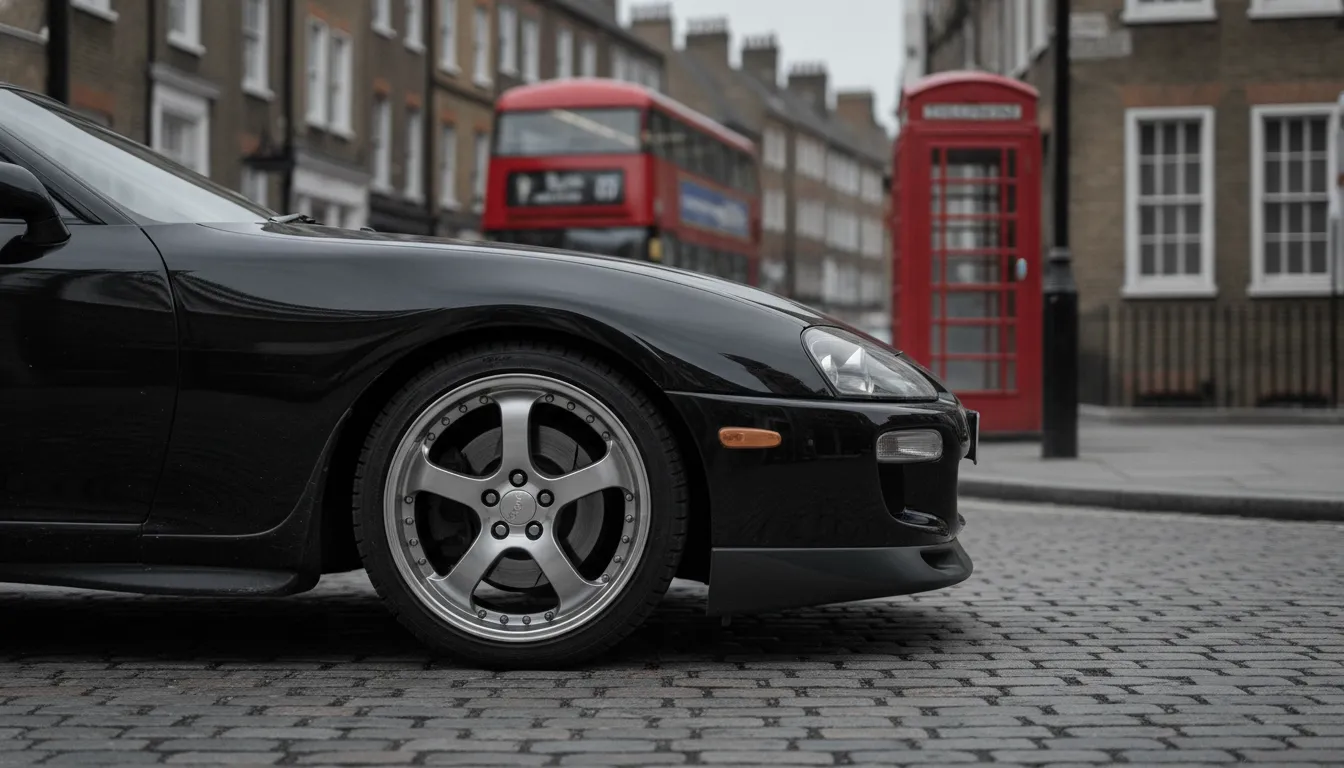
- Toyota Supra
- Mitsubishi Lancer Evolution
- Subaru Impreza
- Mazda RX-7
- Toyota Chaser/Mark II
- Honda S2000
- Nissan 180SX/200SX
- Lexus LS400
There is also a growing trend where buyers are importing European car models from Japan. People do this because they often find these cars have better features or lower prices than similar cars bought directly in the UK or Europe.
2. Look for a car shipping specialist
Once you have bought your dream car, the next step is to arrange how to ship it to the UK. It might seem like a good idea to choose the cheapest shipping company you can find. However, this could end up costing you more in the long run. If your car gets damaged or delayed, and you don’t have enough insurance, you could face bigger losses. It is more important to make sure your car arrives in the UK safely, quickly, and with all the correct paperwork.
So, when you are looking for a car shipping company, choose one that:
- Specialises in shipping vehicles across countries.
- Is fully insured to cover any problems during the journey.
- Clearly shows all its fees and charges from the start.
- Has good reviews and ratings from other customers.
You might also want to choose companies that offer tracking services, so you can see where your car is at all times. Some companies also help with the UK customs process, which can make things easier for you.
Options for shipping
There are a few main ways to ship your newly bought car from Japan to the UK. Each method has its own benefits and costs:
- Roll-on/roll-off (RoRo): With this method, cars are simply driven onto a special ship’s cargo area, where they are parked alongside other vehicles. This is usually one of the cheapest options. However, it is only suitable for cars that can still be driven.
- Shared container service: This means your car is shipped inside a large metal container along with other vehicles. The cost for the container is split between all the people using it. This method can be more secure for your car, and it is a good choice if your car cannot be driven. The downside is that it can take longer because the container needs to be filled with other cars before it can be loaded onto a ship and sent off.
- Full container load (FCL): If you choose this method, you get an entire shipping container just for your car. This is the most expensive option because you pay for the whole container yourself. However, it can be faster since the container can be shipped as soon as your car is loaded, without waiting for others.
You also need to decide whether to use a UK-based or a Japan-based shipping company. Choosing a UK agent might be helpful because you will both speak the same language. This reduces the risk of misunderstandings about what is included in the price or what needs to be done. Just make sure that the agent you choose is an expert in shipping and importing vehicles specifically from Japan. Keeping up with international logistics can be complex, whether you’re managing a car import or ensuring your UK phone number stays active while living abroad.
What to do before your vehicle is picked up overseas?
Before your car starts its long journey to the UK, it’s a good idea to take many detailed photos of it. If you cannot do this yourself, arrange for someone else to take them. You should take similar photos once your car arrives in the UK. Pay close attention to areas where the car will be tied down or secured, such as the side skirts, axles, and wheels.
Having these photos acts as proof. If any damage happens during shipping, you will be able to show it and claim for your losses from the insurance company. You should also look into different insurance options. You will need cover for the journey itself (transit insurance) and then regular car insurance for when the vehicle arrives and is driven in the UK.
3. Get the paperwork sorted for the car
Now for the less exciting but very important part: the paperwork. You will need specific documents to ensure your Japanese import clears customs in the UK without any issues. These documents are also essential for registering your car with the DVLA. It is best to have all these papers ready.
Here is a list of the documents you should prepare and where you can typically get them:
| Document | Where to get it |
|---|---|
| Customs Import Declaration (C88) | The Customs Declaration Service (CDS) system – your shipping agency can often complete this for you |
| Proof of ownership | The seller/dealer (e.g., invoice or Bill of Sale for your vehicle; needed for the import declaration) |
| Export Certificate | Customs authorities in Japan (states the vehicle is deregistered and allowed for export) |
| Shipping note and bill of lading (BOL) | Your shipping agency |
| Vehicle registration certificate or VIN/chassis number | The seller/dealer |
| Proof of Individual Vehicle Approval (IVA) | DVLA – once your vehicle arrives in the UK and passes inspection |
| Insurance documents | Your shipping agency (for transit cover), or a private policy (for UK road use) |
| Shipping invoice | Your shipping agency |
You will also likely need a form of photo ID, such as your passport, to complete these procedures.
4. Register your imported vehicle with DVLA
After your vehicle successfully clears UK customs, you have two important tasks to complete. First, you must tell HMRC about the car’s arrival within 14 days. You do this through an online service called the Notification of Vehicle Arrivals (NOVA). This process is usually quite straightforward. Your shipping company can also make this NOVA declaration for you. HMRC will then inform you if you need to pay any VAT or duties. You must pay these if they are due. According to Gov.uk, you cannot move to the next step until this is done.
Only after you have completed the NOVA declaration and paid any required taxes can you register the car with the DVLA. This involves filling out forms and providing certain supporting documents. The DVLA might also ask to inspect your vehicle, especially if it needs Individual Vehicle Approval (IVA). Once you have sent in your application, it can take up to 6 weeks to receive your V5C registration certificate for the car. This certificate is crucial, as you will need it before you can get number plates made for your vehicle.
Which documents do you need for registering an imported car?
To register your Japanese import with the DVLA, make sure you have these specific original documents ready. Photocopies are generally not accepted.
- Proof of Individual Vehicle Approval (IVA).
- Form V267, also known as a ‘declaration of newness’ (this is only for new vehicles).
- The original foreign registration certificate. If this is not available, you will need a letter from the vehicle manufacturer confirming its details.
- The invoice from the supplier or seller, which clearly shows the date the vehicle was collected.
- Form V627/3, if the vehicle has had any major changes to its structure.
Remember, all these documents must be originals. Keeping accurate records is vital, whether you are importing a car or buying off-plan property in Dubai.
5. Prepare your vehicle for UK roads
Finally, you need to get your Japanese car fully ready and legally compliant before you can drive it on UK roads. This includes a few essential steps. You will need to get UK number plates for the vehicle. You must also arrange for car insurance, which is a legal requirement in the UK. On top of this, you will need to pay Vehicle Excise Duty (VED), also known as road tax.
For some Japanese cars, you might need to make other changes. If your chosen vehicle does not pass the Individual Vehicle Approval (IVA) process, you will have to pay for specific modifications. These changes could involve updating safety features or meeting other requirements needed to legally drive a car in the UK. These modifications can add to the total cost and time involved in importing your car.
How Much Does It Cost to Import a Car from Japan to the UK?
Bringing a car from another country will always involve various costs. So, even if you find a great deal on a car in Japan, you need to plan for additional expenses. These include fees for the shipping company and import duties. The exact costs can change depending on the shipping company you use, the value of the car, and other factors.
Here is a general guide to some of the costs you can expect to pay:
| Type of Cost | Expected Cost (Average) |
|---|---|
| Shipping agency fees | £1,000 to £2,000 |
| Import duty and VAT (if applicable) | 30% of the car’s value |
| DVLA registration | £55 |
| DVSA inspection fee for Individual Vehicle Approval (IVA) | £199 to £294 |
Let’s break down these costs further.
Shipping agency fees
The price for shipping your Japanese vehicle to the UK will depend on the company you choose, the car’s value, and the shipping method (like RoRo or container shipping). It also depends on what services the company provides. For example, some agencies handle all the extra paperwork, offer full insurance, or complete customs declarations on your behalf. On average, you can expect to pay between £1,000 and £2,000 for shipping.
Keep in mind that some of these shipping costs might need to be paid in Japan, especially if your shipping agent is based there. This means you will need to find an effective way to pay in Japanese Yen (JPY). This could be through an account with a Japanese bank if you have one, or through an international payment service. When making large international payments, it’s wise to consider providers that offer clear fees and fair exchange rates to avoid hidden costs.
Import duty and VAT (if applicable)
If your imported car is subject to import duty and/or VAT, these costs can be substantial. You can expect them to be around 30% of the car’s total value. This is typically split into a 10% customs duty and a 20% VAT charge. For a more precise estimate, you can use an online UK import tax calculator, which can help you work out the customs duty you need to pay based on your car’s specific details.
DVLA registration
To register your vehicle with the DVLA in the UK, there is a fixed, one-time fee of £55. Once your vehicle is registered, you will also need to pay to tax it annually, known as Vehicle Excise Duty (VED).
DVSA inspection fee for Individual Vehicle Approval (IVA)
Getting Individual Vehicle Approval requires an inspection by the Driver and Vehicle Standards Agency (DVSA). The cost for this initial inspection is between £199 if it’s done during working hours and £294 if it’s outside working hours. It’s important to know that these are just the initial inspection fees. If your vehicle fails the inspection, there will be extra fees for re-inspections or appeals. If your car needs changes to pass IVA, those modifications will also add to your total costs.

How long does it take to import a car from Japan to the UK?
From the very beginning of the process to the moment your car is ready to drive in the UK, importing a car from Japan can take anywhere between 6 and 12 weeks. The exact time can vary depending on several things. The shipping company you choose and the shipping method (like a shared container versus a full container) will affect how quickly your car arrives.
How well organised you (or your agent) are with all the paperwork also plays a big role. If you have all your documents prepared and ready, there’s a much better chance that your car will move through customs and registration processes smoothly. This helps avoid unnecessary delays, which can be frustrating when you’re keen to get your new vehicle on the road.
Pros and cons of importing a car from Japan
Finally, let’s look at why you might choose to import a car from Japan instead of buying one in the UK. We will also cover the possible downsides and problems you might face.
Pros:
- Potential savings: Even after you add in the shipping costs and other fees, buying a car in Japan could be cheaper than buying a similar model in the UK.
- Unique models: You get access to unusual or special car models that you simply cannot find in the UK. This is perfect for collectors or those who want something different.
- Higher specifications: Some cars built for the Japanese market might have better features or custom specifications compared to versions sold in the UK or Europe.
- Skip waiting lists: For highly desired models, there might be long waiting lists in the UK. Importing from Japan can allow you to get the car sooner.
Cons:
- Modifications needed: Cars made in Japan are not always built to the same exact standards as UK and European cars. This means you might need to pay for changes and extra tests to make them legal for UK roads, adding to the cost. As you would when managing capital gains tax on inherited Australian property, it’s crucial to understand all legal requirements.
- High taxes and duties: The cost of taxes and customs duties can be very high, significantly increasing the overall price of the car.
- Hassle and paperwork: Importing a vehicle from outside Europe involves a lot of paperwork and can be quite inconvenient. There are many forms to fill out and different authorities to deal with.
- Higher insurance premiums: It’s possible that your car insurance will cost more for an imported vehicle, especially if it’s a rare or modified model.
- Difficult repairs and parts: If you have a rare or unique imported model, finding parts for repairs, getting it serviced, or maintaining it can be very difficult and expensive in the UK.

Related reading
Sources
| # | Source | Website |
|---|---|---|
| 1 | Gov.uk | gov.uk |
| 2 | Advance Insurance | advanceinsurance.co.uk |
| 3 | Gov.uk | gov.uk |