
Australian Dual Citizenship: Your Guide to Dual Nationality
Australia allows dual citizenship, meaning you can hold Australian and another country's nationality. Learn eligibility, how to apply, and which countries permit or restrict…


TL;DR: Yes, Australia allows dual citizenship, meaning you can be a citizen of Australia and another country at the same time, as long as both countries permit it. To apply for Australian citizenship, you generally need to have lived in Australia legally for at least four years, with the last 12 months as a permanent resident. The application process, including interviews and a ceremony, can take several months after you meet the residency requirements.
Moving your life between countries often means keeping track of different connections and identities. Imagine wanting to settle in Australia, build a new life, but still feeling strongly tied to your home country – perhaps you want to keep your family phone number, stay in touch with old friends, or easily return for visits. The thought of giving up one citizenship for another can feel like choosing between two parts of yourself. Luckily, Australia allows its citizens to also hold citizenship from another country. This means you can enjoy the benefits of being an Australian without losing your original ties. This guide will walk you through everything you need to know about Australian dual nationality.

Can you have dual citizenship in Australia?
Yes, you can hold dual citizenship Australia, but there’s a key condition: the other country must also allow you to be a citizen of two places at once. If your other country’s laws don’t permit dual nationality, then you might have to choose. Before you can become an Australian citizen, you also need to meet certain requirements.
You might be eligible to become an Australian citizen if you have an Australian parent. You could also be eligible if you were born in Australia and grew up there. Another common way is if you have lived in Australia legally for a specific amount of time. You can easily check if you are eligible for Australian citizenship on the government’s official website here.
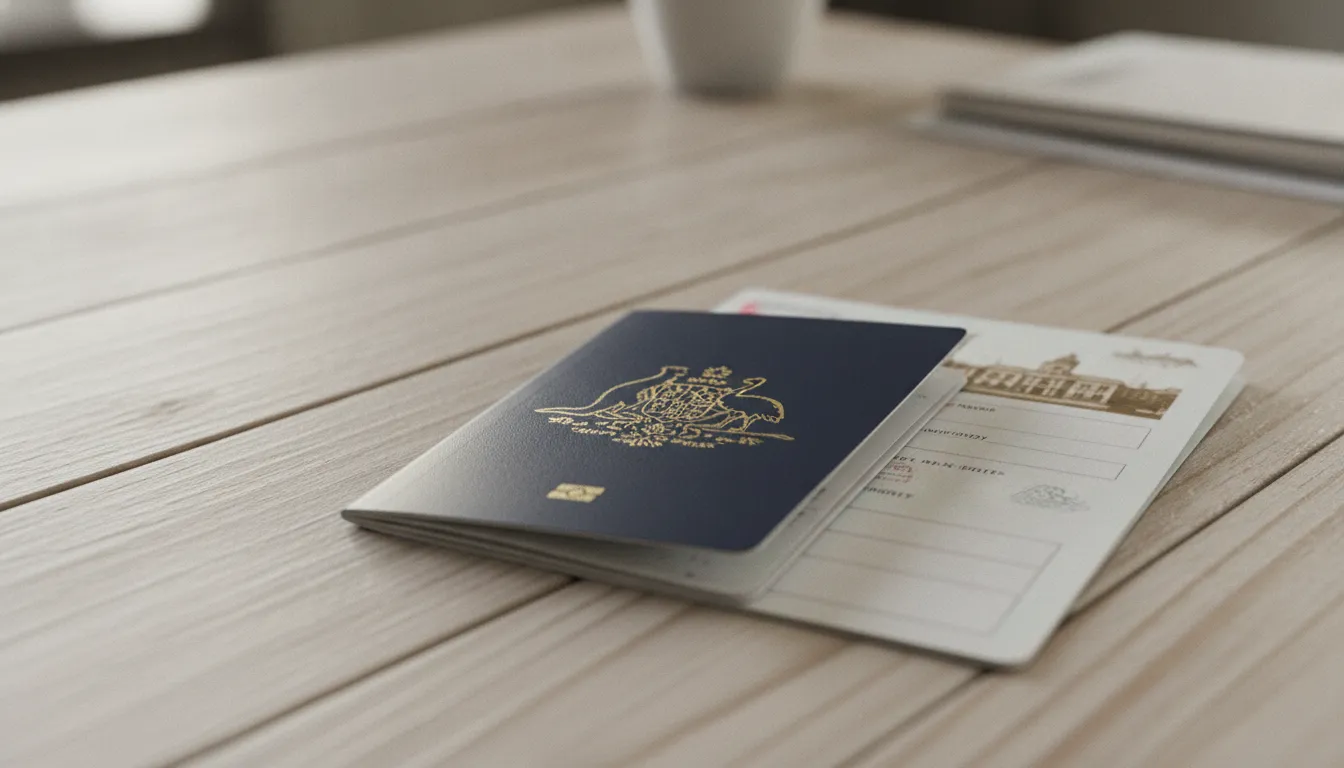
If you’re planning a move to Australia or considering keeping your Australian number while living abroad, it’s good to know the rules. For more details on how to manage your phone number, you might find our guide on keeping your Australian number abroad helpful. Understanding these rules helps you maintain your connections, whether you’re dealing with legal paperwork or just staying in touch with loved ones.
Which countries do not allow dual citizenship with Australia?
Some countries generally do not allow you to hold more than one citizenship. This means if you are from one of these nations and wish to become an Australian citizen, you would likely need to give up your original citizenship. Similarly, if you are an Australian citizen and want to gain citizenship in one of these countries, you might have to renounce Australian citizenship.
Countries that typically don’t allow multiple citizenships (though there can be some special exceptions) include:
- Austria
- Germany
- India
- Japan
- The Netherlands
- Norway
If you currently hold citizenship from one of these countries and want to get Australian dual nationality, it’s very important to check their specific laws. The rules can be complex and may change, so always confirm with the embassy or a legal expert from that country.
Which countries do allow dual nationality with Australia?
Many other countries in the world do permit dual citizenship. This means you can hold their nationality alongside your Australian dual nationality without having to choose between them. This allows people to enjoy the benefits of citizenship in more than one place.
Some of the major countries that allow dual citizenship include:
- Canada
- France (If you’re wondering about keeping your French number while exploring options, see our guide on how to keep your French number abroad)
- Ireland
- Italy
- Sweden
- The United Kingdom (For UK citizens considering a move or managing their number overseas, our guide on keeping your UK number abroad offers useful advice.)
- The United States (Those with US ties might also benefit from our article on how to keep your US number abroad)
Every country has its own detailed laws about nationality. So, even if a country is on this list, you should always check the exact rules. The embassy or consulate of the other country is usually the best place to start to get precise information. This ensures you understand all the requirements for holding two citizenships.
Is it possible to get triple citizenship in Australia?
Yes, if you meet all the necessary conditions, you certainly can get triple citizenship Australia. Australian law permits a person to have “citizenship of two or more countries.” This is allowed as long as it is legal according to all the countries involved. Australia does not put a limit on how many citizenships you can hold.
For example, if you already hold dual nationality from two other countries, and then you decide to settle in Australia, you could eventually become an Australian citizen. This would make you a citizen of three different nations. This path to triple citizenship Australia is fully supported by Australian law, provided your other countries also permit it.
How many citizenships can you hold at once?
There is no actual limit to how many citizenships you are allowed to have. Australia itself does not set a maximum number. The only thing that would stop you from gaining many nationalities is the practical challenge of qualifying for them all.
To become a citizen of any country, you must meet its specific rules and conditions. These often include living there for many years, learning the language, and passing tests. Meeting these strict requirements for many different countries can be very difficult and time-consuming. So, while there’s no official cap, the process itself naturally limits how many nationalities a person can realistically hold.
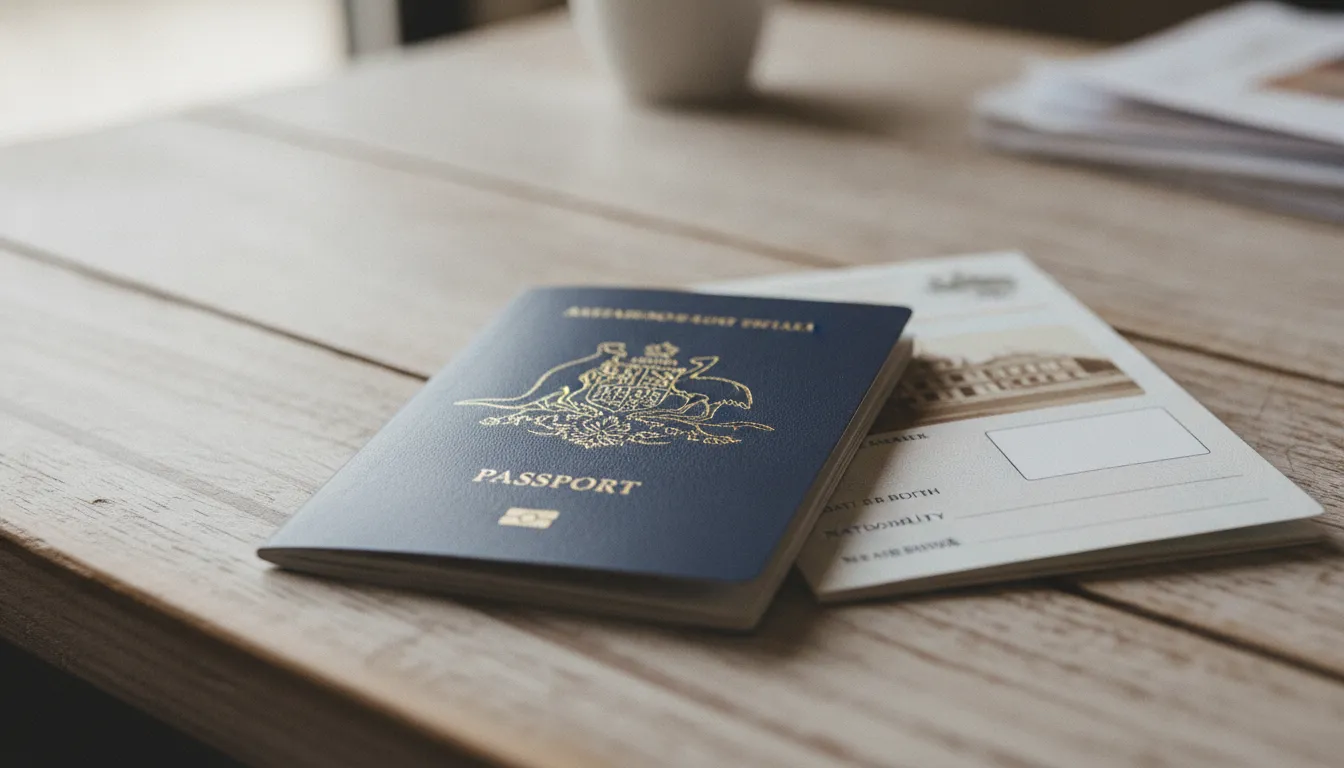
How might you lose your Australian citizenship?
There are several ways you might lose Australian citizenship. One common reason is if you decide to give it up voluntarily. You might have to renounce Australian citizenship if you want to become a citizen of a country that does not allow you to hold two nationalities at the same time. This would require you to formally apply to give up your Australian citizenship.
It’s important to know that you can only renounce your Australian citizenship if you have citizenship from another country already waiting for you. The government does not allow you to give up your Australian citizenship if it would make you stateless, meaning you would have no country to call your own.
In some serious cases, current dual nationals can also have their Australian citizenship taken away. This only happens under very specific and severe circumstances:
- If you fight against Australia in a war.
- If you fight for a terrorist organisation or become a terrorist yourself.
- If you are sentenced to at least 6 years in prison for certain serious crimes.
These rules ensure that Australian citizenship is protected, especially in matters of national security and serious criminal offenses.
What are the steps to becoming an Australian citizen?
If you are not automatically an Australian citizen by birthright (for example, if you don’t have an Australian parent), you will need to qualify for citizenship through a process called naturalisation. To be eligible for this, you must meet specific conditions. You can find full details about qualifying for Australian citizenship eligibility on the government’s website here.
Here are the main requirements you must meet to apply:
| Requirement | Details |
|---|---|
| Permanent Resident | You must currently hold a permanent resident visa for Australia. |
| Time Lived in Australia | You need to have lived legally in Australia for the past four years. Out of these four years, you must have been a permanent resident for at least the last 12 months. It’s also important not to have spent too much time outside of the country during this period. |
| Good Character | This refers to your criminal record and overall behavior. The government will check if you are “of good character.” |
| English Skills | You must be able to speak at least some English. |
| Future Plans | You must intend to continue living in Australia or maintain a close and continuing link with the country. |
| Citizenship Test | You will generally need to pass a citizenship test or attend an interview. However, there are exceptions for people under 18 or over 60 years old, and for those in various other categories. The test checks your knowledge of Australia, its people, and its values. |
Once you meet these conditions, the actual steps to becoming a citizen of Australia are not overly complicated, but the entire process does take time.
Here are the steps you will typically follow:
- Gather Your Documents: Collect all the papers that prove who you are and where you live. This includes proof of identity (like your passport), documents showing your residency status, and your birth certificate. You can usually send copies, but you’ll need to bring the original documents to a later appointment.
- Translate Documents: If any of your supporting documents are not in English, you must get them officially translated.
- Complete Application: Fill out the application form online. Make sure all information is accurate and complete.
- Submit and Pay: Send in your completed application along with the required fee. The fee can be up to AU$285 (Australian Dollars).
- Attend an Appointment: When asked, you will need to go to an appointment. Here, an official will check your original documents and you will take the citizenship test or have an interview. This is a crucial step in the application process.
- Citizenship Ceremony: If your application is successful, the very last step is to attend a Citizenship Ceremony. At this ceremony, you will take a pledge to Australia. This event is a legal requirement, and you are not officially a citizen until it is done. Congratulations – you are now an Australian!
How long does it take to get Australian citizenship?
The journey to how to get Australian citizenship involves a few stages, each with its own timeline. First, you must meet the residency requirements. This means you need to live in Australia for a total of four years, with the last 12 months as a permanent resident, before you can even apply.
After you have lived in the country for the required time and submitted your application, the rest of the process begins. This includes the various steps described above, such as document verification, the citizenship test or interview, and finally, the Citizenship Ceremony. The ceremonies are usually held within six months of your application being approved. Remember, you are not legally an Australian citizen until you have attended this ceremony and taken the pledge.
All in all, the entire process can take quite a while. The Australian government website provides approximate total times for processing citizenship applications. It is definitely wise to plan well ahead, especially if you have important trips abroad or other major life events coming up. Knowing these timelines helps you manage your expectations and prepare for your future as an Australian citizen.

Do you need to tell countries when you get new citizenship?
When you are in the process of becoming an Australian citizen, the Australian government will certainly be aware of your new status. Therefore, you do not need to inform them again. They handle all the internal notifications.
However, the situation is different for your other nationality. You should carefully check the laws of your original country regarding dual nationals. Many countries have specific rules about their citizens gaining another nationality. Some may require you to inform them, while others might not. It is always a good idea to get in touch with the embassy or consulate of your original country if you are unsure. This ensures you follow all their laws and avoid any unexpected issues with your first citizenship. Planning ahead for international moves, like using a moving abroad checklist, can help you keep track of these important details across different nations.

Related reading
Sources
| # | Source | Website |
|---|---|---|
| 1 | here | border.gov.au |
| 2 | here | border.gov.au |
| 3 | approximate total times | border.gov.au |