
Buying a Car in France as a Brit: Your Complete Guide
Planning to buy a car in France as a Brit? This comprehensive guide covers everything from finding a vehicle and understanding costs to handling essential paperwork…

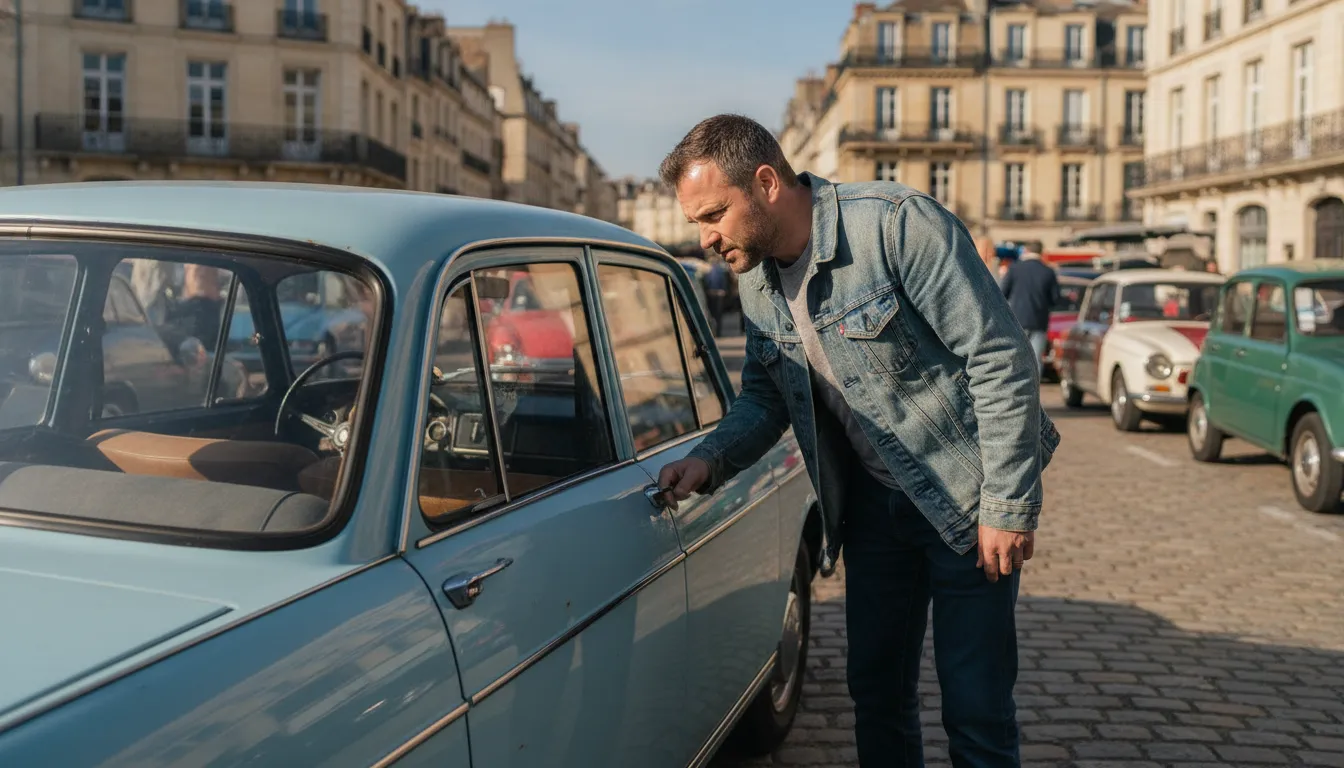
TL;DR: If you’re a Brit buying a car in France, you can get both new and used vehicles as long as you have a French address for registration. Be ready for typical costs like around £23,000 for a new car and £1.64 per litre for petrol (as of December 2023). You’ll need to gather specific documents like proof of address and a car registration certificate to complete your purchase and register the vehicle, a step often done online.
Moving to France from the UK means many new adventures, but also practical challenges like getting around. While big cities have great public transport, living outside these areas often requires your own car. The process of buying a car in France can seem complex, especially when you’re also managing your life across two countries and want to keep your home phone number active. This guide will walk you through everything you need to know, from finding a vehicle and understanding the costs to handling the paperwork and French driving rules, so you can stay mobile and connected.

Can a British Person Buy a Car in France?
Yes, a British person can definitely buy a car in France, even if they are not a French citizen. You can choose to buy either a brand-new car or a used one. If you’re moving to France for good, owning a car will be very helpful for getting around.
You can also buy a car in France if you are not a resident there. However, to register the car and drive it legally, you must prove you have an address in France. This proof of address is a key document you’ll need. Common documents accepted for this include recent utility bills (like electricity or water) or a copy of your rental agreement. Once you have this proof, there are no other major barriers stopping you from buying your vehicle. Staying connected to your home country while setting up your life in France is also important; you might want to look into how to keep your UK number abroad for calls and messages.
What if You Buy a Car in France to Take It Home or Elsewhere?
Buying a car in France for export (meaning to take it out of the country) follows the same general steps as buying one to keep in France. The main difference happens after you buy it. Once the car leaves France, it’s up to the authorities in the destination country to decide if you can drive it there. Each country has its own rules for importing vehicles.
For a used car that you export, its original French licence plates will usually stay with the car. However, if you buy a brand-new car in France specifically for export, it will get special temporary “WW” registration plates. These temporary plates allow you to drive the car out of France to its final destination.

What is the Cost of Owning a Car in France?
The cost of owning a car in France can vary a lot, just like anywhere else. The price depends mainly on the car’s make, model, and whether it’s new or used. For example, a new car, similar to a Toyota Corolla, might cost around £23,000 according to Numbeo.
Beyond the initial purchase price, you need to budget for several other regular expenses. One big cost is fuel. In December 2023, petrol was about £1.64 per litre in France. Your car will also need regular servicing, safety checks, and official steps like registration, road taxes, and insurance. The exact cost of these will change based on your specific car model, how much you drive, and your insurance provider. For those managing finances across borders, understanding these costs is key, much like understanding banking in countries like Germany.
Here’s a quick look at some typical car ownership costs in France:
| Expense Type | Example Cost (approx.) | Notes |
|---|---|---|
| New Car Purchase | Around £23,000 | For a medium-sized car like a Toyota Corolla (Source: Numbeo) |
| Petrol (per litre) | About £1.64 | As of December 2023 |
| Registration Fees | Varies by car and region | One-time fee when you first register |
| Road Taxes | Varies | Annual cost, depends on car’s power and CO2 emissions |
| Insurance | Varies greatly | Depends on car, driver’s age/experience, coverage level |
| Regular Services/Checks | Varies by car model | Essential for safety and upkeep |
| Technical Inspection | Mandatory for used cars | Must be less than 6 months old at time of sale for used vehicles |
What are the Steps for Buying a Car in France as a Non-Resident?
The process of buying a car in France has a few differences depending on whether you are buying a brand-new car or a second-hand one. No matter which you choose, you’ll need to follow a clear set of steps. This ensures all paperwork is correct, especially when you are moving to France from UK and getting used to new rules.
Here is a general step-by-step guide for both situations:
- Choose a Dealer or Seller: If you’re buying a new car, you’ll visit an official car dealership. For a used car, you might go to a dealership that sells pre-owned vehicles or find a private seller.
- Pick Your Car: Spend time looking at different models and makes to find the car that suits your needs and budget.
- Take a Test Drive: Always test drive the car to make sure it feels right and is in good working order. This is a crucial step before you commit to buying.
- Pay a Deposit: Once you’ve chosen your car, you’ll typically pay a small part of the total cost as a deposit.
- Complete Paperwork: You will sign a purchase agreement and any other necessary forms with the seller. Make sure you understand everything before you sign.
- Pay the Remaining Amount: After the paperwork is done, you’ll pay the rest of the car’s price.
- Register Your Car: You must register your new car within one month of buying it. This is a legal requirement to be able to drive it in France.
What Important Documents Should You Get When Buying a Used Car?
When you buy a used car in France, the seller must give you several important documents. These papers prove ownership, show the car’s condition, and confirm there are no outstanding issues. Making sure you receive all of them correctly is vital for a smooth process.
The main documents you should receive include:
- Certificate of Registration (Carte Grise): This document proves that the seller is the legal owner of the car. The seller must show you this certificate. When the sale is complete, their name needs to be crossed out on the certificate, and they must write “Vendu le” (Sold on) followed by the date and time of the sale, and sign it. If the car has had multiple owners, all of them must sign.
- Technical Inspection Report (Contrôle Technique): For most used cars that are over four years old, the seller must provide a technical inspection report. This report should be less than six months old at the time of sale. It confirms that the car is in good condition and safe to drive.
- Certificate of Administrative Status (Certificat de Situation Administrative): This document, sometimes called a “Certificat de Non-Gage et de Non-Opposition,” must be less than 15 days old. It proves that the seller has paid all fines related to the car and that the car is not pledged as security for a loan. This means there are no financial obstacles to selling it.
- Cerfa 15776 Form: This is an official sales document that both you and the seller will fill out and sign. It must clearly state the general condition of the car, including any damage it has. This form is proof of the sale.
- Sales Contract: While not always legally required in addition to the Cerfa form, having a separate sales contract is a very good idea. It can provide extra details and protection for both buyer and seller.
How Do You Register a Car in France?
Registering a car in France is a mandatory step after buying it, and it’s how you get your official French licence plates. The process can differ slightly depending on whether your car is new or used.
If you are buying a brand-new car from a dealership, you will likely not have to worry about registering it yourself. Car dealerships usually handle this entire process for their customers, making it much simpler.
However, if you buy a used car or are importing a vehicle, you will need to register it yourself. The whole procedure is now done online through the website of the National Agency for Secured Documents, known as ANTS (Service-public.fr). You can complete the process yourself, or you can pay an agent to do it for you.
To register your car online, you will need to upload several documents:
- The completed Certificate of Registration (Carte Grise) from the previous owner (for used cars).
- A valid technical inspection report (Contrôle Technique), if the car is over four years old.
- The Certificate of Administrative Status (Certificat de Situation Administrative).
- The filled-out Cerfa 15776 form, which is the declaration of sale.
- Your proof of identity (like a passport or national ID card).
- Your proof of address in France (such as a utility bill or rental contract).
- Proof that you have car insurance in France.
Remember, you must register your car within one month of the purchase date. The registration process is key to legal ownership and driving. This is similar to the important steps you’d take to keep your personal mobile number active when you move to a new country.
How Can You Pay for a New or Used Car in France?
Paying for your new or used car in France usually involves a few common methods. For bigger purchases like a car, it’s important to use secure and traceable payment options.
Most car dealerships, whether you’re buying a new or relatively new used car, will accept payment by credit or debit card. This is a common and easy way to complete the transaction. However, for very large sums, banks might have daily limits, so check this in advance.
If you are buying an older car directly from a private seller, paying with cash might be an option. However, for safety and to have a record of the transaction, it’s often better to use bank transfers or cheques for larger amounts, even in private sales.
An increasingly popular way to finance both new and used cars in France is called location avec option d’achat (LOA), which means leasing with an option to purchase. With an LOA, you typically pay an initial deposit, which can be up to 15% of the car’s price. After that, you make regular monthly payments for a set number of years. At the end of the lease period, you usually have the option to buy the car for a pre-agreed price, or you can return it and get a new lease. This can be a flexible way to drive a car without buying it outright. Understanding various payment methods is crucial when living abroad, much like knowing the differences between cash and card payments in Italy.

What are the Best Places to Look for a Used Car in France?
When you are looking for a used car in France, the internet is usually the best place to start. Online platforms give you access to a huge number of options, making it easier to compare prices and models.
Here are some of the most well-known websites to check:
- AUTO Scout24: A very popular European website for buying and selling cars.
- OOYYO: Another large platform that lists many used cars.
- LaCentrale: A leading French website for car classifieds.
- auto-selection: Offers a wide range of used cars for sale.
- Autos.fr: A useful site for finding vehicles across France.
- Leboncoin: This general classifieds website is also a very popular place to find used cars from private sellers and small dealers in France.
Besides online options, there are other ways to find a used car:
- Newspapers: Believe it or not, the old-fashioned classified ads in French newspapers are still used by some people to sell used cars. This can sometimes lead to local deals.
- Authorised Car Dealerships: Many official car dealerships that sell new cars also have a section for pre-owned vehicles. These used cars often come with warranties, which can give you extra peace of mind. This option is great if you are looking for a specific car brand.
- Car Supermarkets: These are large retail outlets that sell many different makes and models of used cars. They often have lower prices than traditional dealerships and some may even offer financing options.
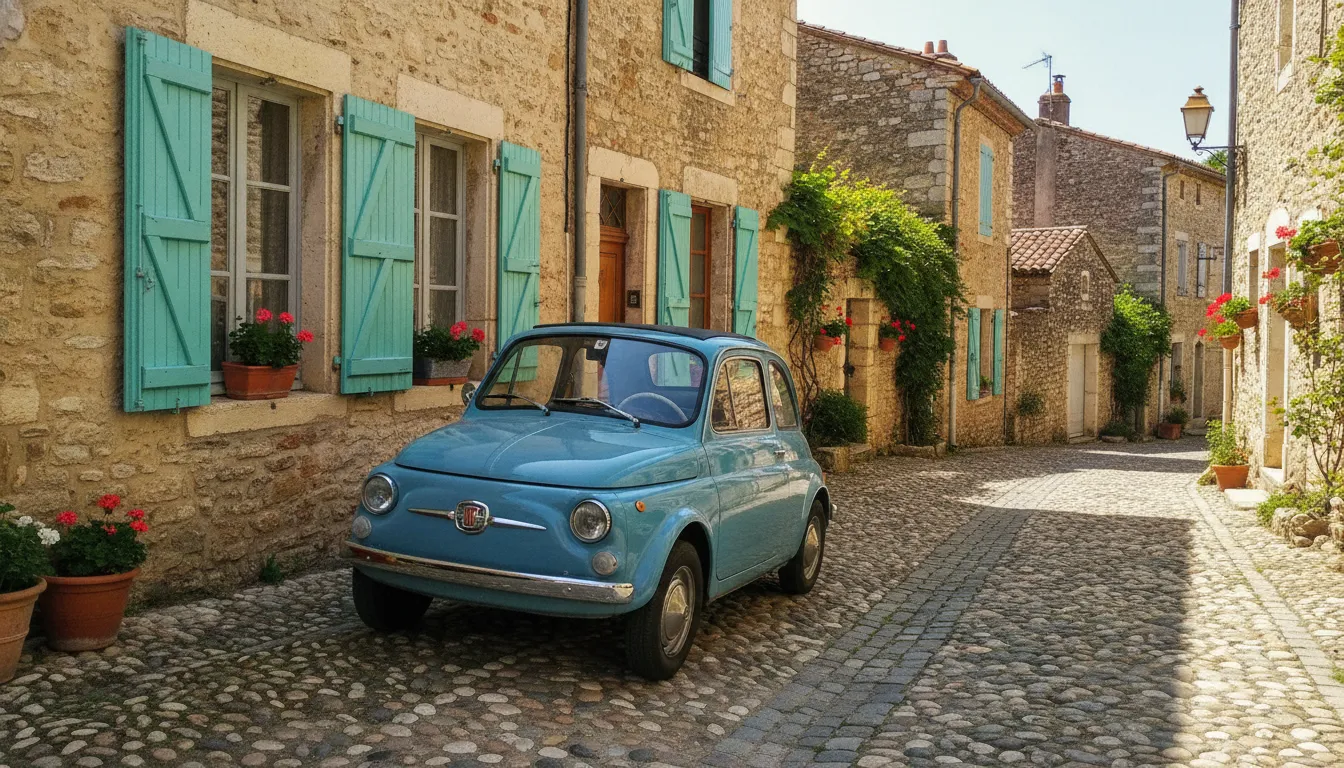
Finding the right car is a big decision, and these resources should help you explore all available choices for a “used car in France.”
What Should You Check When Buying a Used Car?
Before you make a final decision and hand over your money for a used car in France, it’s important to do some careful checks. These tips will help you make sure you are getting a reliable vehicle and avoid problems later on.
Here’s what to look for when buying a used car:
- Match the Numbers: Always check that the Vehicle Identification Number (VIN) printed on the car itself (usually on the dashboard, door frame, or engine) matches the number on the car’s registration document (Carte Grise). If these numbers don’t match, it could be a sign of a stolen car or fraud.
- Confirm Ownership: Make sure that the person selling you the car is the actual registered owner. Ask to see their identification and compare the name with the one on the registration document. If the names don’t match, or if someone else is selling the car on behalf of the owner, be very cautious.
- Check Certificates: The seller must provide you with two important certificates:
- Certificate of Non-Security (Certificat de Non-Gage): This proves the car is not linked to any outstanding loans or financial claims.
- Certificate of Non-Opposition (Certificat de Non-Opposition): This guarantees that there are no legal reasons stopping the car from being sold.
- These are usually part of the larger Certificate of Administrative Status. Always check they are valid and recent.
By carefully going through these checks, you can be more confident in your purchase of a used car in France.
What Should You Know About Driving in France?
Driving in France is quite similar to driving in the UK, but there are some important differences you need to remember. Understanding these rules is essential for safe and legal driving, especially if you’re used to driving on the left side of the road.
- Right-Hand Driving: The most significant difference is that in France, you drive on the right-hand side of the road. This means the steering wheel in French cars is on the left. If you’re coming from the UK, it will take some time to get used to this change.
- Overtaking: When driving on multi-lane roads, drivers in France overtake on the left. Always use your indicators and be aware of cars around you.
- Mandatory Driving Kits: It is compulsory to carry certain items in your car in France. You need to keep a warning triangle and a reflective safety jacket inside the cabin of your car, not in the boot. These are for use if you break down on the side of the road.
- Blood Alcohol Limit: The legal blood alcohol limit for drivers in France is 0.05%. However, for drivers who have had their licence for less than three years, the limit is even lower, at 0.02%. It’s always safest not to drink any alcohol if you plan to drive.
- No Bluetooth Earpieces: You are not allowed to use Bluetooth earpieces or headphones to make calls while driving in France. Doing so can result in a significant fine. It’s best to pull over and stop safely if you need to take a call. For travellers and expats, knowing these rules is as crucial as understanding how to use eSIM apps abroad to stay connected legally and safely.
Learning these key rules will help you drive safely and avoid problems while “driving in France.”

Related reading
Sources
| # | Source | Website |
|---|---|---|
| 1 | Numbeo | numbeo.com |
| 2 | Service-public.fr | service-public.fr |
| 3 | AUTO Scout24 | autoscout24.com |
| 4 | OOYYO | ooyyo.com |
| 5 | LaCentrale | lacentrale.fr |
| 6 | auto-selection | auto-selection.com |
| 7 | Autos.fr | autos.fr |
| 8 | Leboncoin | leboncoin.fr |