
Costs of Owning a Home in France: A Guide for UK Buyers
Planning to buy a home in France as a UK citizen? This guide breaks down all the upfront and ongoing costs, from notary fees and property taxes to utilities and maintenance…


TL;DR: Buying a home in France involves significant upfront and ongoing costs. Initial costs, including notary and tax fees, are typically 7-8% for older properties and 2-3% for new builds. Annually, budget for property taxes (like taxe foncière), which vary by location. Utilities average around €200 per month for a mid-sized apartment, and it’s wise to set aside 1-3% of your property’s value each year for maintenance and repairs.
Many people dream of owning a home in France, whether it’s a quiet countryside retreat, a lively city apartment, or a sunny coastal villa. For those who split their time between countries, a French property offers the freedom to enjoy life abroad more fully. However, the sticker price of a home is just the start. You’ll need to plan for a range of extra expenses, from various taxes and insurance to regular upkeep and management fees. Not knowing these costs upfront can lead to unwelcome surprises later on. This guide will walk you through both the initial fees you pay when buying a home and the ongoing costs of owning a property in France, helping you manage your finances more smoothly when living or staying abroad.

What are the initial costs when buying a property in France?
The first major costs you’ll face when buying a home in France are the taxes and notary fees linked to the purchase. These are often called frais de notaire or frais d’acquisition. These fees usually add up to about 7-8% of the purchase price if you buy an older property. For new-build homes that meet specific conditions, these costs are much lower, typically around 2-3%. Sometimes, 20% VAT (value-added tax) might apply to new builds in addition to these costs [according to Capifrance].
These fees cover several things:
- Taxes and duties: These are payments made to the local authorities.
- Notary’s fees: This is the payment for the notary’s legal services, which are set by the government.
- Administrative costs: Various smaller fees for paperwork and processing.
The exact amount you pay depends on several things, such as how much the property costs, where it is located, and whether it’s a new or old building. You might also have to pay estate agent fees if you use one to find your property. These fees can change a lot. It’s important to find out if you, as the buyer, or the seller is responsible for these fees. You should also check if the agent’s fees are already included in the advertised price of the property. On average, real estate agent fees in France can range from 3% to 10% of the property’s price [according to Investropa].
If you need a mortgage to buy your French home, remember to budget for other related costs. These can include fees for setting up the loan, guarantees required by the lender, and mortgage insurance. Planning for these extra costs from the start will give you a clearer picture of your total investment. If you’re a UK citizen looking to buy, understanding the full process is key, and you can find more details in a guide to moving abroad.
Here’s a quick look at how notary and tax costs can differ:
| Property Type | Typical Notary & Tax Costs |
|---|---|
| Older Property | 7-8% of purchase price |
| New-Build Property | 2-3% of purchase price |
What property taxes do you pay when owning a home in France?
Please note: The information in this article is for general guidance only. It should not be seen as financial or tax advice. You are fully responsible for working out and paying your own taxes based on the laws that apply to you. Always get advice from a qualified financial expert before making any tax-saving choices or decisions.
Now, let’s look closely at the different property taxes you might need to pay when you own a home in France. Understanding these taxes is important for anyone splitting their time or moving their life between countries, as they are ongoing yearly expenses.
What is the annual property tax (Taxe Foncière) in France?
One of the main costs homeowners pay each year is the taxe foncière. This is a property tax charged to the owners of houses and apartments. The amount of taxe foncière is calculated using the property’s “cadastral rental value.” This value represents the theoretical rent your property could earn. This rental value is then multiplied by tax rates set by your local town or city council. This means that the amount you pay can change a lot depending on where your property is located and even how different individual properties are valued.
What is the second-home tax (Taxe d’Habitation) in France?
If your property in France is not your main home but a second home, you might also need to pay taxe d’habitation. This tax applies to second homes and other properties that are furnished but not used as a primary residence [according to Service-public.gouv.fr]. The way this tax is calculated is similar to taxe foncière: it uses the property’s cadastral rental value, multiplied by a tax rate chosen by the local council.
In some towns or cities where there is a very high demand for housing, an extra charge can be added to the taxe d’habitation for second homes. This aims to encourage more properties to be used as main residences. This additional tax makes budgeting for a holiday home or investment property even more complex.
How is rental income taxed in France?
If you decide to rent out your French property, the income you earn from tenants will add to your overall tax costs. How much tax you pay depends on whether the property is rented out furnished or unfurnished. It also depends on which tax system (or ‘regime’) applies to your situation.
Luckily, you can often subtract certain costs from your rental income before tax is calculated. These expenses might include interest on your mortgage, the cost of property insurance, and any fees you pay for property management. UK residents who receive rental income from a French property may also have to pay French social charges. However, if you are still covered by the UK social security system, you might pay a lower rate of 7.5% instead of the usual higher social charges. This is an important detail for those managing their finances across borders.
What is the French property wealth tax (IFI)?
Buyers of very expensive properties should know about the Impôt sur la fortune immobilière (IFI), which is France’s property wealth tax. The IFI applies to individuals whose net taxable real estate assets are worth more than €1.3 million on the 1st of January of the tax year [according to Impots.gouv.fr].
The IFI is calculated using a stepped system, meaning different parts of your property wealth are taxed at different rates. For example, for 2026, the rates start at 0.5% for the part of your wealth between €800,000 and €1.3 million. The rate goes up to 1.5% for any taxable property wealth above €10 million [according to Impots.gouv.fr]. Even though the tax only applies if your total property wealth is over €1.3 million, the way it’s calculated means the progressive rates start from €800,000 once you are liable for the IFI.
For most people buying a reasonably priced French home, the IFI won’t be a concern. However, it’s a very important cost to consider if you are buying an expensive villa or several properties in France. If your property wealth is getting close to the €1.3 million threshold, it is highly recommended to get expert French tax advice before you complete your purchase. This can prevent unexpected financial burdens, especially if you are managing a portfolio of properties from abroad.
Here’s a simplified look at the IFI tax rates:
| Taxable Property Wealth (Portion) | IFI Tax Rate |
|---|---|
| Between €800,000 and €1,300,000 | 0.5% |
| Above €1,300,000 (up to next bracket) | (Rates increase) |
| Above €10,000,000 | 1.5% |
What are the regular costs of owning a home in France?
Beyond the initial buying costs and yearly taxes, owning a home in France means budgeting for several ongoing expenses. These cover everything from utilities to general upkeep, all crucial for managing your property, especially if you live abroad.
What are community fees (Charges de Copropriété) in France?
If you purchase an apartment or any property that is part of a larger building with shared areas (known as a condominium or copropriété), you will typically need to pay charges de copropriété. These are regular payments that help cover the costs of managing, maintaining, and running the shared parts of the building [according to Service-public.gouv.fr].
These community fees can cover a wide range of services and expenses, such as:
- Heating for communal areas, or sometimes central hot water for all residents.
- Costs related to lifts (elevators), including maintenance and electricity.
- Upkeep of gardens and other shared outdoor spaces.
- Security systems and services, like entry gates or cameras.
- Repairs to the building’s structure or shared facilities.
- The fees for the property manager or syndic, who looks after the building on behalf of all owners.
The exact amount of these fees will depend on the size and location of your property, as well as what shared facilities are available. There isn’t one standard national fee because each copropriété creates its own budget and system for sharing out costs among owners. How these charges are split between owners can be changed, but this usually needs all owners to agree at a meeting. Understanding these fees is crucial, especially for those managing properties from another country. You can learn more about managing property from a distance in a guide to keeping your French number abroad.
How much are utility costs in France?
Most homeowners in France will need to set aside money each month for electricity, water, and gas (or another source for heating). The total amount you spend on utilities depends on a few key things: the size of your home, how well it’s insulated, and how much energy you use. Energy costs can be one of the biggest household expenses, especially for larger, detached homes or older properties that might not have good insulation. For example, a home that relies mainly on electric heating will likely have much higher electricity bills than a well-insulated apartment with a more efficient heating system.
On average, utility costs in France are around €200 per month for an 85 square meter apartment [according to Numbeo]. However, your actual bills could be higher or lower. Factors like your personal energy use, the exact size and age of your property, how well it keeps heat in (its insulation), and the type of heating system you have will all affect the final amount.
What about property maintenance and repairs in France?
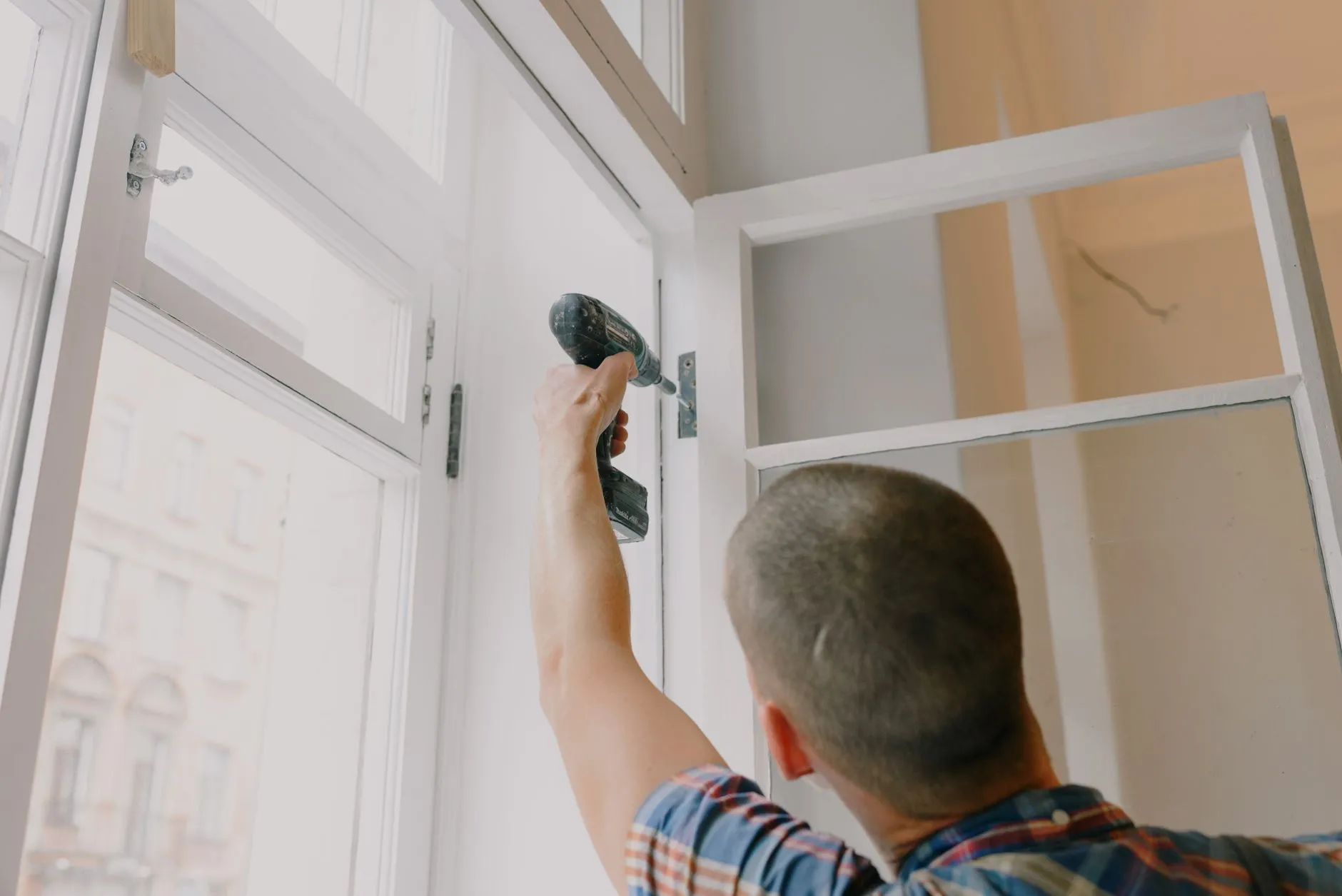
Regular maintenance is another important part of the yearly costs of owning a home in France. Even a property that has been recently updated will eventually need repairs, routine servicing, or replacements for appliances and parts of the building.
Typical maintenance expenses can include:
- Servicing your boiler to ensure it runs safely and efficiently.
- Checking and maintaining air conditioning units.
- Regular inspections of the roof to prevent leaks and damage.
- Fixing plumbing issues, from small drips to larger leaks.
- Repainting interior and exterior walls.
- Electrical work, from minor repairs to system upgrades.
Owners of houses may also need to budget for gardening services, repairs to driveways, and cleaning for swimming pools. Older French properties often need a larger budget for maintenance, especially if they have traditional stone walls, septic tanks, or outdated heating and electrical systems. Before you buy, it’s a good idea to check the property’s condition carefully and set aside money for any unexpected repairs that might come up.
For apartments, some maintenance costs are covered by the copropriété charges (community fees), but owners are still responsible for all repairs and upkeep inside their own private living space. As a general guide, it’s wise to set aside around 1% to 3% of your property’s value each year for maintenance and repairs [according to Estatefy]. The exact amount you actually spend will depend on how old the property is and its overall condition. For example, if you own a €300,000 home, this could mean budgeting between €3,000 and €9,000 a year for upkeep.
Is property insurance mandatory in France?
Home insurance is another cost you need to include in your budget when owning a French property. The specific legal rules for insurance depend on the type of property you own and whether it is part of a copropriété. For those who live in a copropriété, it is legally required to have insurance that covers civil liability (responsabilité civile) [according to Bluesky Finance]. This insurance protects you if you accidentally cause damage to other parts of the building or to other residents.
For properties that are not part of a copropriété, such as a detached house, home insurance is generally not mandatory by law. However, even if it’s not legally required, it is very strongly recommended. Additionally, most mortgage lenders will insist that you have comprehensive home insurance as a condition of your loan. The cost of your insurance premiums will change based on several factors, including the size and value of your property, the level of cover you choose, and any specific risks linked to the building. A small apartment might cost less to insure, while a holiday home or a property with very valuable contents could have much higher premiums. It’s important to understand the risks and potential pitfalls of buying property in France and ensure you are adequately protected.
What are property management costs in France?
Owners who do not live in France or are away for long periods may find it necessary to pay for property management services. A local management company can provide many useful services to help look after your home. These might include regular checks of the property, arranging cleaning services, taking care of the garden, and overseeing general maintenance. They can also handle communication with local tradespeople when repairs are needed.
These services are especially helpful for holiday homes that remain empty for long stretches of time. While property management adds to your annual ownership costs, it can be a wise investment. Having someone local regularly checking your property can help spot small problems early on, preventing them from becoming much bigger and more expensive issues later. This offers peace of mind when you’re managing your property from afar.

Frequently Asked Questions About Costs of Owning a Home in France
Here are answers to some of the most common questions about the costs involved when you own a home in France:
What are the main costs of owning a home in France?
The main ongoing costs of owning a home in France include the annual property tax (taxe foncière), utility bills (for electricity, water, and heating), home insurance, and regular maintenance. If your property is an apartment or part of a shared building, you will also pay community fees (charges de copropriété). Owners of second homes may need to pay an additional taxe d’habitation.
How much are property taxes in France?
There isn’t one set national rate for property taxes in France. The amount you pay for taxe foncière and taxe d’habitation (if applicable) depends on the official rental value of your property (its cadastral rental value) and the specific tax rates decided by your local town or city council. These rates can vary significantly from one municipality to another.
Are community fees compulsory in France?
Yes, if your property is part of a copropriété (a building with shared ownership and common areas), then you are generally required to contribute towards the costs of maintaining and managing these shared parts of the building and its facilities. These payments are known as charges de copropriété.
Is home insurance mandatory in France?
Civil liability insurance (responsabilité civile) is mandatory if you live in a property that is part of a copropriété. For properties that are not part of a copropriété, such as a detached house, owners are not typically legally required to have home insurance. However, it is always strongly recommended to protect your investment, and mortgage lenders will usually require it as part of the loan agreement.
Key Takeaways
- When buying a home in France, be ready for initial fees that typically add 7-8% to the purchase price for older homes. These cover notary fees and various taxes. For new-build properties, these costs are usually lower, around 2-3%.
- Ongoing property ownership includes several yearly taxes. All owners pay taxe foncière. If your French home is a second residence, you may also face taxe d’habitation. If you rent out your property, you’ll pay rental income tax. For very high-value properties (above €1.3 million), the Impôt sur la fortune immobilière (IFI) or wealth tax applies.
- Regular running costs need careful budgeting. Average utilities for an 85 sq. m. apartment are around €200 per month. It’s recommended to save 1-3% of your property’s value each year for maintenance and repairs, which could mean €3,000 to €9,000 for a €300,000 home.
- You must also consider other ongoing operational fees. If you own an apartment, compulsory building charges (charges de copropriété) cover shared building maintenance. Civil liability insurance is also mandatory for apartment owners. Finally, if you live abroad, property management services can be a helpful, though additional, expense.
Related reading
Sources
| # | Source | Website |
|---|---|---|
| 1 | according to [Capifrance | capifrance.fr |
| 2 | according to [Investropa | investropa.com |
| 3 | according to [Service-public.gouv.fr | service-public.gouv.fr |
| 4 | according to [Impots.gouv.fr | impots.gouv.fr |
| 5 | according to [Impots.gouv.fr | impots.gouv.fr |
| 6 | according to [Service-public.gouv.fr | service-public.gouv.fr |
| 7 | according to [Numbeo | numbeo.com |
| 8 | according to [Estatefy | estatefy.com |
| 9 | according to [Bluesky Finance | bluesky-france-finance.com |