
French Property DDT: Your Guide to Diagnostics & Costs
Learn about France's mandatory Dossier de Diagnostic Technique (DDT) for property sales and rentals. This guide covers essential reports like DPE and asbestos checks, typical…


TL;DR: If you’re buying or selling property in France, especially when managing life between countries like the UK and France, you’ll need a Dossier de Diagnostic Technique (DDT). This set of mandatory reports checks the property’s condition, safety, and energy use. A DDT typically costs between €300 and €700, depending on the property’s size and age, and some reports like the Energy Performance Diagnosis (DPE) are valid for 10 years, while others, like the Environmental Risks Report (ERP), must be less than six months old.
Buying a home in a new country, such as France, can be complex. You might be focused on how to keep your phone number from back home, whether it’s a UK number or another, working while you sort out your new life abroad. But while staying connected is key, understanding property rules is just as vital. Many people overlook the strict paperwork involved, especially the critical inspections that protect both buyers and sellers. Missing these steps can lead to big problems and unexpected costs down the road.

What is a Dossier de Diagnostic Technique (DDT) in France?
A Dossier de Diagnostic Technique, or DDT, is a collection of required reports about a property in France. This set of documents gives important information about the home’s condition, how safe it is, and how much energy it uses. The DDT helps buyers and renters know key details about a property before they agree to buy or rent it.
These reports cover many areas, such as how energy-efficient the home is, if it contains harmful materials like asbestos or lead, and any environmental risks. The main goal of the DDT is to protect buyers and tenants. It also helps check the property’s energy use. The property owner or landlord must arrange these checks and provide the full DDT before signing any sale or rental contract [according to Notaires.fr].
When is a DDT needed for French property?
A DDT is necessary for almost all property sales and rental agreements in France. French law, specifically Article L271-4 of the French Construction and Housing Code, states that anyone selling a property in France must provide a DDT. This document must include all the legally required property checks as part of the sale process.
For rental properties, landlords must give the relevant reports to tenants before the lease agreement is signed. The exact reports needed can change based on the property. For example, an older house might need more checks than a newer one. For anyone looking to buy or rent in France, checking the DDT is a very important step to understand the property before making any commitment. It’s just as important as knowing how to keep your French number if you’re returning to France after living elsewhere.
What property checks are part of a DDT?
The specific reports that make up a DDT can vary depending on the property. However, most DDTs will include the following key checks:
- Energy Performance Diagnosis (DPE)
- Asbestos report
- Lead exposure risk report (CREP)
- Electrical and gas diagnostics
- Termite risk report
- Environmental Risks and Pollution Report (ERP)
- Carrez Law diagnosis
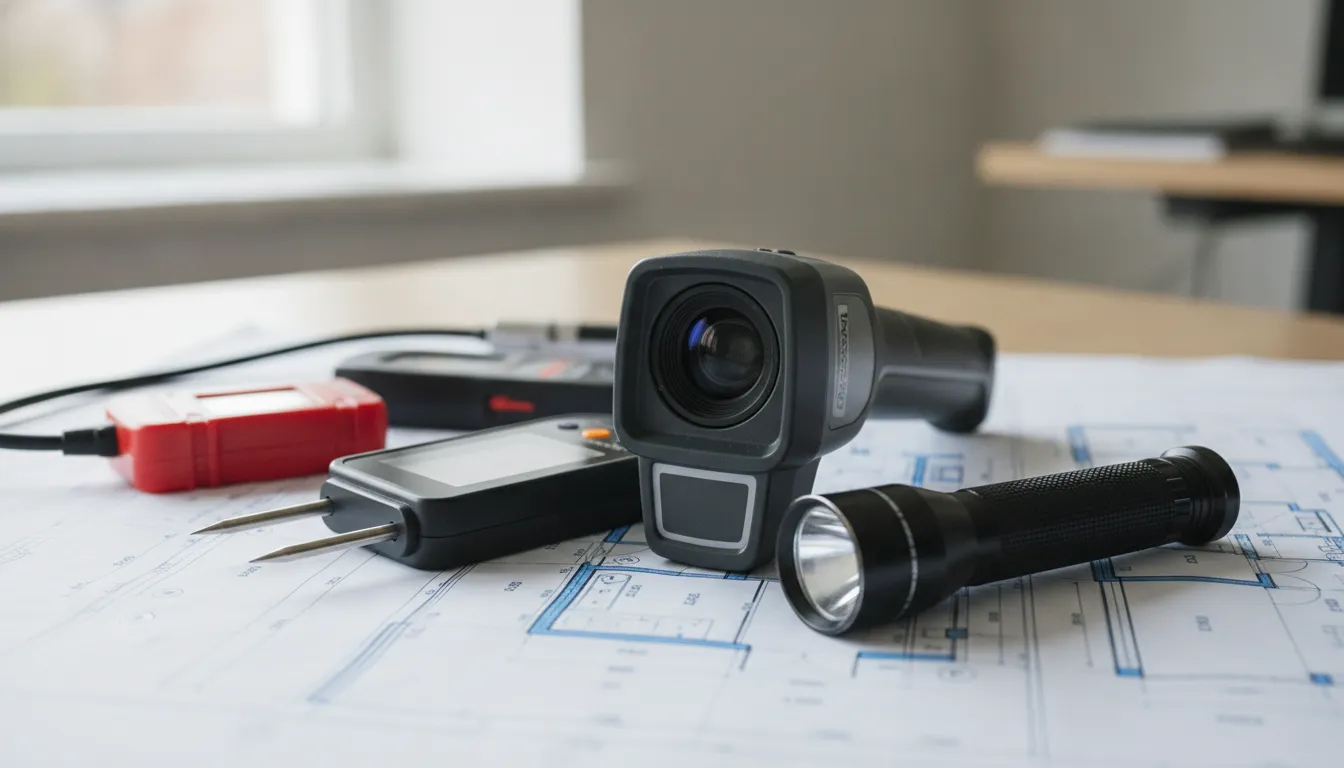
What is an Energy Performance Diagnosis (DPE)?
The DPE, which stands for Diagnostic de Performance Énergétique, measures how well a property uses energy and its impact on the environment. This report gives the property an energy rating from A to G. An A rating means the property is very energy-efficient, while a G rating means it uses a lot of energy.
A DPE report is usually valid for 10 years. However, if major renovation work is done on the property, the DPE needs to be updated. This ensures the rating reflects the current energy performance of the home.
What does the Asbestos report check?
An asbestos diagnosis checks a property for any materials that contain asbestos. This report helps find possible health dangers and tells you if more checks or actions are required. Asbestos was a common building material in the past, so this check is especially important for older buildings.
If the report finds no asbestos, it has no expiry date. But if asbestos is found, it becomes a crucial part of understanding the property’s safety.
What is the Lead Exposure Risk Report (CREP)?
The Constat de Risque d’Exposition au Plomb (CREP) looks for lead in a property. This check is mainly for older homes built before 1949. The report focuses on paint that contains lead, which can be dangerous for health if it gets damaged or peels.
If lead is found, the report must be done again after one year. If no lead is found, the report is valid indefinitely.
Why are Electrical and Gas checks important?
Electrical and gas checks are required for installations that are more than 15 years old. These inspections check if the systems are safe to use and point out any possible problems. They give vital information about how well the property’s electrical and gas systems are working and if they pose any risks.
For property sales, these reports must be less than three years old. This ensures that buyers have up-to-date information on the safety of these essential systems.
What is the Termite Risk Report?
A termite diagnosis may be required in parts of France where termites are a known problem. This report looks for any signs of a termite infestation or damage caused by these insects. Termites can cause serious harm to wooden parts of a building, so this check helps protect the property’s structure.
The termite report is valid for six months. This short validity period is because termite activity can change quickly, so recent checks are important.
What is the Environmental Risks and Pollution Report (ERP)?
The ERP, or État des Risques et Pollutions, provides details about environmental risks that might affect the property. What risks are included depends on where the property is located. These can include dangers like mining hazards, earthquakes, pollution, and the risk of radon gas [according to Capifrance].
The ERP report must be less than six months old at the time the property is sold. This ensures that buyers have the most current information about potential environmental hazards.

What is the Carrez Law diagnosis?
The Carrez Law diagnosis is a precise measurement of the private floor area within a co-owned property. This report is required for co-ownership units (like apartments in a building) that are 8 square meters or larger. Units smaller than 8 square meters are not included in this requirement. This diagnosis helps ensure transparency about the actual living space being sold.
How do you get a DDT in France?
The property owner is responsible for arranging all the necessary property checks. However, these checks must be carried out by a certified professional. These professionals are called diagnosticians. They must meet official certification rules and have the right insurance.
Before hiring a diagnostician, property owners should always check that the person is properly qualified and insured. This ensures the reports are accurate and legally sound. Once completed, the DDT must be given to the notary and attached to both the preliminary sale agreement and the final deed of sale. For expats moving, making sure all legal documents are in order is as important as handling other tasks on a moving abroad checklist.
How much does a DDT cost in France?
The cost of a DDT can change based on several factors. These include how big the property is, its location, and how many different checks are needed. Property owners should get price estimates from several certified professionals before booking the inspections.
Generally, a DDT costs between €300 and €700. Some companies offer packages that bundle several checks together, which can sometimes reduce the total cost by up to 50%. Understanding these costs is important, just like knowing the overall costs of buying property in France when you plan to buy from the UK.
| Diagnostic Report Type | Validity Period | When it’s Needed |
|---|---|---|
| Energy Performance Diagnosis (DPE) | 10 years | For all sales and rentals (unless major work done) |
| Asbestos report | Unlimited (if none) | For properties built before 1997 |
| Lead exposure risk report (CREP) | Unlimited (if none) | For properties built before 1949 |
| Electrical diagnosis | 3 years (sale) | For electrical installations over 15 years old |
| Gas diagnosis | 3 years (sale) | For gas installations over 15 years old |
| Termite risk report | 6 months | In areas with termite risk |
| Environmental Risks and Pollution (ERP) | 6 months | For all sales and rentals (location-dependent risks) |
| Carrez Law diagnosis | Unlimited (if no changes) | For co-owned properties 8 sq.m or larger |
How can you manage money when buying French property from the UK?
The DDT is just one of many costs you need to consider when buying or selling property in France. If you’re buying from the UK, you’ll also need to figure out how to pay for the property and convert what might be very large amounts of British pounds to euros. With a high-value property deal, the fees for moving your money can make a big difference to your total budget. So, it’s a good idea to compare your options carefully before you send money.
Some banks and other money services might say they have “no fees,” but they could be adding a hidden extra charge to the exchange rate. This can reduce your budget by up to 2% when you send money internationally. For example, on a £50,000 transfer, you could lose a significant amount compared to services that offer better exchange rates.
Services like Wise have built their own payment networks that allow people to send money abroad more cheaply. They typically use the mid-market exchange rate, which is the same rate you might see on Google, without adding hidden markups. They also charge low and clear fees.
Here are some of the main benefits offered by such services:
- Saving money with low, clear fees and exchange rates without hidden markups.
- Getting dedicated support and possible discounts when sending large amounts.
- No monthly or yearly account fees.
- Setting up an account quickly without needing physical paperwork.
- Having strong security and anti-fraud measures in place, with your money kept safe.
- Making transfers that are trackable and fast to many countries around the world.
- Accessing low-cost spending in numerous countries with a linked debit card.
- Some providers might even offer ways to earn a variable return on different currencies like GBP, USD, and EUR. However, remember that growth is not guaranteed, and the value can go down. Taxes may also apply.

These financial tools can be incredibly helpful for expats or those splitting their time between countries, offering ways to manage funds efficiently for big purchases like property, or even just for daily spending, much like understanding eSIMs for digital nomads helps with staying connected.
Common Questions about the DDT in France
Here are answers to some frequently asked questions about the Dossier de Diagnostic Technique in France:
Is a DDT always required when buying property in France?
Yes, property owners must provide all the necessary diagnostic reports as part of the DDT before they can complete a real estate sale in France. This is a legal requirement designed to protect both buyers and sellers.
Who pays for the DDT in France?
Usually, the seller or landlord is responsible for arranging and paying for the DDT. They must make sure all required checks are done by a certified professional before the property transaction takes place.
How long does it take to get a DDT done?
The time it takes to complete a DDT can vary. It depends on how many different diagnostic checks are needed for the specific property and how quickly a certified professional diagnostician is available to carry out the inspections.
How long are DDT reports valid?
The validity period for each report in the DDT is different. For example, an Energy Performance Diagnosis (DPE) is typically valid for 10 years. On the other hand, reports like the Environmental Risks and Pollution Report (ERP) are only valid for six months. It’s important to check the expiry date for each individual report.
Related reading
Sources
| # | Source | Website |
|---|---|---|
| 1 | according to [Notaires.fr | notaires.fr |
| 2 | according to [Capifrance | capifrance.fr |