
French Property Ownership Transfer: A UK Buyer's Guide
Navigating property ownership transfer in France as a UK buyer? Our guide explains the essential role of a notary, the legal steps, fees (7-8.5%), timeline, and required…

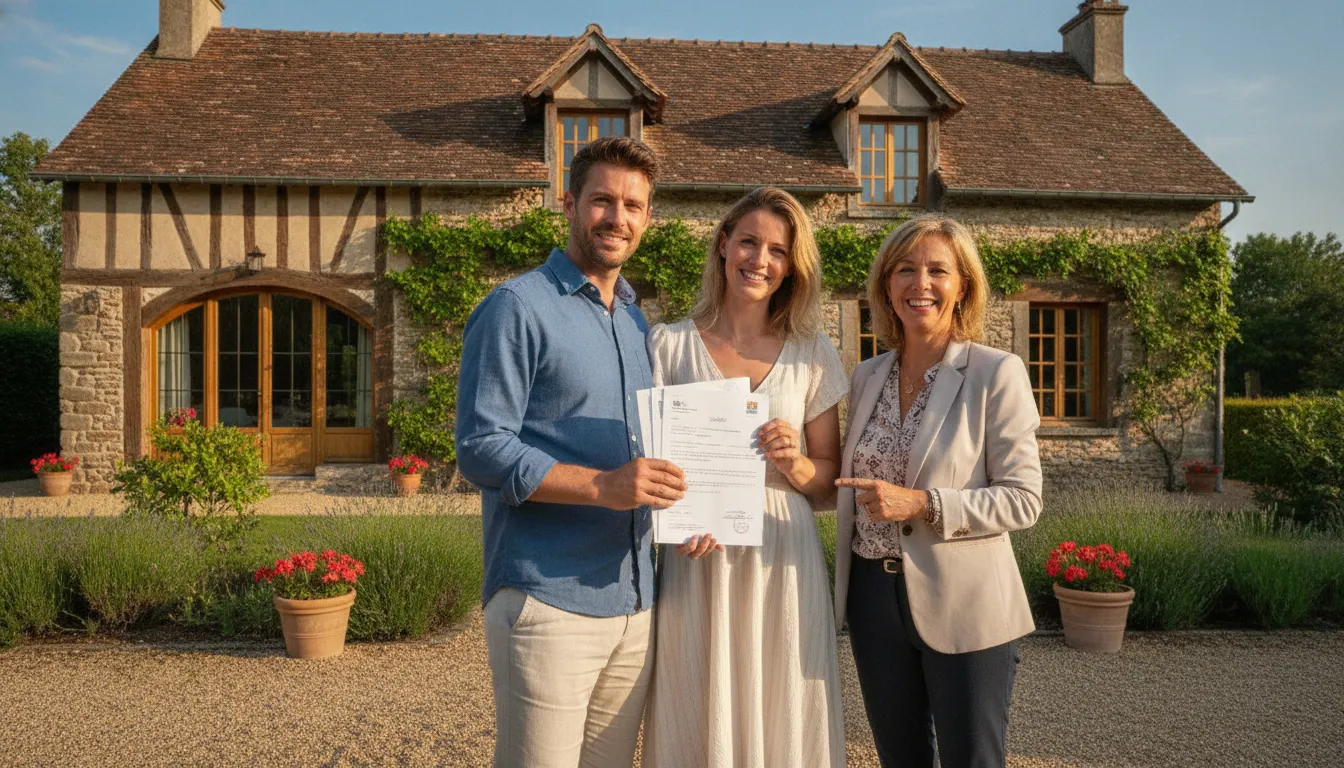
TL;DR: To transfer property ownership in France, you must use a government-appointed notary. This legal expert guides you through the entire French property ownership transfer process. The process starts with a preliminary contract (compromis de vente) and typically takes 2 to 3 months before signing the final sales contract (acte de vente). Buyers will pay notary fees, which include transfer taxes, usually 7% to 8.5% for older, resale properties and 2% to 3% for new builds. After the final contract is signed, the official registration with the land registry can take an additional 2 to 6 months.
Buying a home abroad, especially when you split your life between countries, is a big step. Many people who are considering buying property in France from the UK might not realize just how different the legal system is. If you’re planning to buy or sell a property in France, understanding the exact legal steps for the transfer of property ownership in France is absolutely vital. Without following these strict rules, your new home won’t truly be yours in the eyes of the law. This guide will help you understand every part of the process, from the key officials involved to the necessary documents, along with all the fees, taxes, and timescales you can expect. Knowing these details upfront will help you navigate the system smoothly and protect your investment as you manage your life across borders.
How Do Property Ownership Transfers Work in France?
The process of transfer of property ownership in France is strictly supervised by a special government-appointed lawyer, known as a notaire (notary). It is a legal requirement that you must meet; you cannot legally buy or sell a property in France without the help of a notary. This official plays a hugely important role in making sure every part of the transaction follows the law when a property is sold. Their responsibilities are extensive and cover many crucial areas of the sale, protecting both the buyer and the seller.
The notary will carry out several vital tasks. First, they will verify legal ownership of the property, making sure the seller truly has the right to sell it. They also check the identities of both the buyer and the seller to prevent fraud. Furthermore, the notary performs all the required property searches and checks, which look into the property’s history and any potential issues. They are responsible for drafting all official contracts, including both the first preliminary agreement and the final sales document. When it comes to money, the notary is in charge of collecting and paying all state taxes that are due. Lastly, they handle the secure transfer of funds to complete the sale, making sure the money goes to the right place at the right time. This ensures that the entire transaction is legally sound and securely handled from beginning to end.
Beyond sales, property in France can also change hands for other reasons. For example, ownership can be transferred through inheritance after someone passes away, or as a gift or donation while someone is still alive. It can also happen as part of a divorce or separation agreement. When it comes to inheritance, a special legal document called a notarial attestation (also known as an acte de notoriété or attestation notariée) is used. This document formally transfers ownership rights to the people who are legally meant to receive the property, known as the beneficiaries or heirs, after the original owner’s death. This process ensures that the property correctly passes to the next generation according to French law. For more details on related financial matters, you might find our guide on inheritance tax in Italy helpful, as it covers similar cross-border considerations for UK expats.

What Are the Steps to Transfer Property Ownership in France?
The legal procedures involved in changing the official owner of a property when it is sold in France follow a few main stages. Understanding these steps is key to navigating the French property ownership transfer process successfully, especially for UK citizens managing life in France.
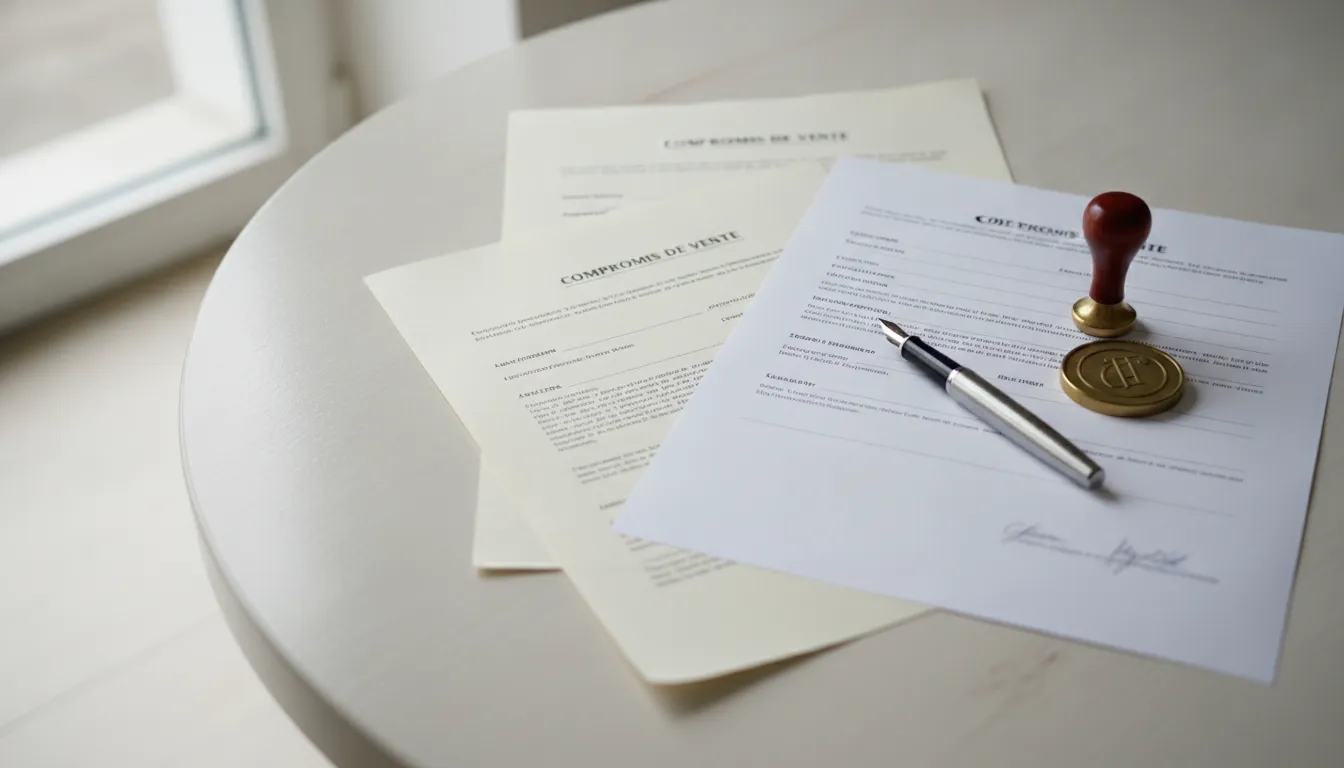
- A preliminary contract is signed – This first important document is called the compromis de vente. It sets out the main terms of the sale, including the price and any special conditions. Both the buyer and the seller agree to these terms by signing this contract.
- 10-day cooling-off period – After signing the compromis de vente, the buyer gets a 10-day cooling-off period. During this time, the buyer can decide to pull out of the agreement for any reason at all, without losing any money. This period gives buyers important time to think things over or get further advice.
- The notary carries out due diligence – During this time, the notary does extensive checks. This includes verifying the property title documents to make sure the seller truly owns the property and that there are no hidden debts or claims against it. The notary also checks local urban planning rules to ensure the property can be used as intended and confirms the seller’s legal right to sell. These thorough checks protect the buyer from potential problems in the future.
- A final sales contract is signed – This is the most important document, called the acte de vente. It is the official legal document that formally transfers ownership. The signing of this contract must happen at the notary’s office. Both the buyer and the seller, or their authorized representatives, must be present for this signing.
- Full payment is made to the notary’s account – Before the final contract is signed, the buyer must transfer the full amount of the property purchase price to the notary’s special client account. This ensures that all funds are ready and secured. Once the money is confirmed as received, the transfer of property ownership in France can be legally completed when the acte de vente is signed.
- The notaire registers the official transfer of ownership – After the acte de vente is signed, the notary has one final crucial step. They must officially record the change of ownership with the government’s land registry. In France, this department is known as the Service de Publicité Foncière (SPF). This registration makes the transfer of ownership public and legal, formally confirming the buyer as the new owner.
Key Documents for Property Transfer in France
To make sure the transfer of property title in France goes smoothly, you will need a specific set of important documents. Gathering these early can save you time and stress. Here are the main documents required:
- Preliminary contract (compromis de vente): This is the first agreement signed by both buyer and seller, setting out the terms of the sale. It’s a very important document that outlines the conditions before the final sale.
- Final sales contract (acte de vente): This is the ultimate legal document that formally transfers property ownership. It is signed in front of the notary and is the moment you legally become the owner.
- Property title deeds: These are the legal documents that prove who owns the property. The notary will check these carefully.
- Valid photo ID for buyer and seller: Both parties must provide official identification, such as a passport or national ID card, to confirm who they are. This is a basic security measure.
- Attestation immobilière or Acte de Notoriété: These are special notarial deeds needed if the property ownership France inheritance process is the reason for the transfer, or if the property is part of an estate settlement. They legally confirm who inherits the property.
- Property surveys (Dossier de Diagnostic Technique or DDT): This is a collection of mandatory reports about the property’s condition, covering things like energy performance, lead, asbestos, and natural risks. It provides important information to the buyer about the state of the property.
- Mortgage documents: If the buyer is taking out a mortgage to pay for the property, all related loan agreements and papers will be needed for the notary to review and include in the legal process. For UK citizens looking to get a mortgage in a different country, understanding requirements can vary greatly; for example, you can see how it works with our guide on getting a mortgage in Italy as a UK foreigner.
- Certificate of Ownership: This is an official paper prepared by the notary. It formally records the change of ownership in special cases, such as when a property is transferred as an inheritance or a gift (a donation).
Once you have a clear idea of which documents for property transfer France are needed, the next step is to understand all the different costs you will face when transferring property title France.
What Fees and Taxes Apply to French Property Transfers?
Disclaimer: The information in this article is provided only for general understanding and should not be seen as financial or tax advice. You are fully responsible for working out and paying your own tax according to the laws that apply to you. Any choices or plans to save on taxes should only be made after careful research and after talking with a qualified financial expert.
The main cost linked to the transfer of property ownership in France is the notary’s fee. This fee is actually made up of several parts and includes what is known as stamp duty or transfer tax, which in France is called droits de mutation. These are taxes that the government collects when property changes hands.
In total, for resale properties (homes that have been owned before), the notary fees France property costs usually add up to about 7% to 8.5% of the property’s value. The exact percentage can change slightly. It depends on the specific property itself and also on the département (a type of administrative area) in France where the property is located. These fees are a significant part of the overall cost when buying an existing home.
For new builds (properties that have never been lived in before), the notary fees are lower, typically ranging from 2% to 3%. However, buyers of new properties also have an additional tax to pay: 20% VAT (Value Added Tax), which is known as TVA in France. This VAT applies to the purchase price of the new property and makes the overall cost of a new build higher despite the lower notary fees.
It is important to know that the notary fees are always paid by the buyer, even though the notary acts as a fair and neutral party for both the buyer and the seller during the whole transaction. The fee covers a lot of the notary’s work. This includes their administrative tasks, all the required property searches and checks they perform, the official registration of the change of ownership with the land registry, and the collection and payment of all the necessary taxes.
Here is a quick look at the main fees and taxes for transferring property ownership in France:
| Fee/Tax Type | Resale Property | New Build Property | Who Pays? |
|---|---|---|---|
| Notary Fees | 7% to 8.5% (includes transfer tax) | 2% to 3% (includes transfer tax) | Buyer |
| VAT (TVA) | Not applicable | 20% of property price | Buyer |
| Other Costs | Solicitor’s fees, Mortgage costs, Agent fees, Capital gains tax | Solicitor’s fees, Mortgage costs, Agent fees, Capital gains tax | Varies |
Other costs you might come across during the French property ownership transfer process include:
- Solicitor’s fees: Both the buyer and the seller might choose to hire their own solicitors (lawyers) in addition to the notary. These fees cover their legal advice and representation.
- Mortgage costs: If the buyer is borrowing money to buy the property, there will be fees related to setting up the mortgage loan.
- Estate agent fees: These fees are usually paid by the seller for the services of the real estate agent who helped sell the property.
- Capital gains tax: This tax is typically paid by the seller if the property has increased in value since they bought it.
Understanding these fees for transferring property ownership in France is crucial for anyone planning their budget, especially UK buyers who are used to different costs in their home country. For more detailed information on budgeting, you can explore our guide on non-sterling transaction fees to avoid hidden costs when managing money across borders.

How Long Does French Property Ownership Transfer Take?
There are a couple of important timeframes you need to be aware of when you are buying property in France UK guide style, or selling one. These timelines can affect your plans for moving or managing your property while living abroad.
The first key timeline is the period from when you sign the preliminary contract (compromis de vente) to when you sign the final deed (acte de vente). This waiting period can vary, but generally, you should plan for it to take about two to three months, which is roughly 60 to 90 days. During this time, the notary will be carrying out all the necessary checks and getting the final documents ready. This period also allows for the buyer’s cooling-off period and any conditions in the preliminary contract to be met.
The second important timeline is how long it takes for the land registry, known as the Service de Publicité Foncière (SPF), to fully process and officially confirm the transfer property title France. This part of the process can also take different amounts of time. It depends on how quickly the local government office works. Typically, you can expect this registration to take anywhere between 2 to 6 months.
This means that as the buyer, you will not receive your official, certified copy of the deed (the proof of your ownership) for several months after you have already signed the final contract at the notary’s office. This can sometimes be a surprise for buyers. However, you do not need to wait that long to gain practical control of your property. In the meantime, you can ask the notary for a provisional certificate of ownership. This document can be very useful for practical matters, such as setting up new utility contracts (like electricity, water, and internet) in your name. It acts as a temporary proof of your purchase until the final deed is fully registered. Staying organised with all your documents is essential, and our general moving abroad checklist can offer useful tips for managing such tasks.
Common Questions About Transferring French Property Ownership
Many questions come up when people are trying to understand the transfer of property ownership in France. Here, we answer some of the most common ones to help clarify the process.

What is the Difference Between a Compromis de Vente and an Acte de Vente?
The compromis de vente is the preliminary agreement in the French property ownership transfer process. It is the first contract you sign, and it lays out all the agreed terms of the property sale. Think of it as a promise to buy and sell, with certain conditions attached. It usually includes the purchase price, the deposit amount, and any specific conditions that need to be met before the sale can be finalised, such as securing a mortgage.
The acte de vente, on the other hand, is the final, official deed. This is the document that is signed in front of the notary to complete the transaction and formally transfer property ownership from the seller to the buyer. Once the acte de vente is signed and all conditions are met, the property officially changes hands. It is the legal conclusion of the sale process.
When Do Buyers Legally Own Property in France?
In a typical property sale, the transfer of property ownership in France is completed when two main things happen: the acte de vente (the final sales contract) is signed, and the notary has received all the purchase funds. At this point, the property legally becomes yours.
After these steps, the notary then takes action to formally register the change of ownership with the government’s land registry (the Service de Publicité Foncière). Even though the registration itself can take several months, the legal ownership technically transfers at the moment of signing the acte de vente and payment.
Can French Property Ownership Transfer Without a Sale?
Yes, property ownership in France can certainly change hands without a direct sale. As mentioned before, a property might become owned by someone else through different circumstances. This includes cases of property ownership France inheritance, where the property passes to legal heirs after the owner’s death. It can also happen as a gift or a donation while the original owner is still alive. Additionally, property ownership might be transferred as part of a divorce or a legal separation agreement between spouses. In each of these situations, the specific documents and legal steps required will be different. The notary will be the one to confirm exactly what is needed for that particular type of transfer, making sure everything is done correctly according to French law.
What Can You Use While Waiting for the Official Title Deed?
As a buyer, you might find that the final, officially registered copy of your property deed does not arrive right away. The land registry process can take time, sometimes several months. However, you don’t have to wait during this period if you need proof of ownership for practical reasons.
In the meantime, the buyer can simply ask the notary for a provisional certificate of ownership. This document acts as a temporary but official proof that you are the new owner. It can be extremely helpful when you need to arrange various services for your new home, such as setting up utility contracts (for electricity, gas, water, and internet). This provisional certificate allows you to get these essential services connected without having to wait for the complete and final registration of the title deed.
Key Takeaways
Understanding the transfer of property ownership in France is essential for anyone involved in the French property market, especially UK buyers managing life across countries. Here are the main points to remember:
- All property ownership transfers in France must be overseen by a government-appointed legal expert called a notaire. This is a mandatory legal requirement. The notary’s job is to check who legally owns the property, make sure all rules are followed, and register the new owner with the land registry.
- The legal process involves two main contracts: first, the signing of a preliminary compromis de vente, which includes a 10-day cooling-off period for the buyer. This is followed by the signing of the final acte de vente, which usually happens about 60 to 90 days later.
- You will need several important documents for property transfer France. These include valid photo IDs for both buyer and seller, the property’s title deeds, detailed property surveys (the Dossier de Diagnostic Technique), and the official sales contracts. For properties transferred through inheritance, specific notary deeds are also required.
- Buyers are responsible for paying the total notary fees France property, which generally range from 7% to 8.5% of the purchase price for resale homes. For new build properties, these fees are lower at 2% to 3%, but new builds also incur a 20% VAT (TVA). These fees cover local transfer taxes, updates to the land registry, and all the administrative work done by the notary. For more on property-related finances, consider exploring a guide on how to exchange money for a French property purchase as a UK buyer.
- After the final contract is signed, the official confirmation from the land registry typically takes 2 to 6 months. However, buyers can ask the notary for a provisional certificate of ownership in the meantime. This document is very useful for setting up essential services like utilities for your new home. This guide provides comprehensive information, much like the general advice in our UK guide to moving to Italy for expats.
Sources used:
- French Property Lawyer - Transfer of property ownership in France: A complete legal guide
- Your Overseas Home - The French property buying process, step by step in 2026
- Your Overseas Home - Costs of buying property in France
- Capifrance - The Property Title in French Real Estate: A Complete Definition
Sources last checked: 25-Aug-2026
This article is meant for general information only. It does not provide legal, tax, or other professional advice. It should not be used instead of advice from a financial advisor or another professional. We do not promise that the information in this article is correct, complete, or up-to-date.
Living Abroad
How to exchange money for a French property purchase as a UK buyer
Learn how to exchange money for a French property purchase, with expert tips on getting the best GBP to EUR exchange rate and avoiding hidden bank fees. Gert Svaiko 04.09.26 Read time 7 minutes
Living Abroad
Renting out property in France: Complete guide for UK owners
Learn how to rent out property in France as a UK owner, including legal requirements, tax rules, rental options and how to manage your property from the UK. Gert Svaiko 04.09.26 Read time 8 minutes
Living Abroad
Property transfer tax in France: A complete guide for UK buyers
Planning to buy in France? Learn how property transfer tax (DMTO) works, typical rates, and what UK buyers need to budget for before purchasing. Gert Svaiko 04.09.26 Read time 7 minutes
Living Abroad
Dossier de Diagnostic Technique (DDT) in France: Complete guide for UK buyers and sellers
Planning to buy or sell in France? Learn what a Dossier de Diagnostic Technique (DDT) includes, its cost, validity periods and why it matters for UK buyers. Gert Svaiko 04.09.26 Read time 6 minutes
Living Abroad
Compromis de Vente in France: Complete guide for UK buyers and sellers
A complete guide to the compromis de vente in France, explaining the contract, the legal process and what buyers need to know before signing. Gert Svaiko 04.09.26 Read time 6 minutes
Living Abroad
Notary fees in France: Complete guide for UK buyers
Learn about notary fees in France, including what they cover, who pays them, and how much you can expect for new vs. existing properties. Gert Svaiko 04.09.26 Read time 7 minutes
Related reading
Sources
| # | Source | Website |
|---|---|---|
| 1 | French Property Lawyer - Transfer of property ownership in France: A complete legal guide | frenchpropertylawyer.fr |
| 2 | Your Overseas Home - The French property buying process, step by step in 2026 | youroverseashome.com |
| 3 | Your Overseas Home - Costs of buying property in France | youroverseashome.com |
| 4 | Capifrance - The Property Title in French Real Estate: A Complete Definition | capifrance.fr |