Buying a Summer House in Denmark for UK Citizens Post-Brexit
UK citizens face strict post-Brexit rules for buying a summer house in Denmark, often needing 5 years residency or special permission. Learn about prices, financing, and legal…

TL;DR: For UK citizens wanting to buy a summer house in Denmark by 2026, new post-Brexit rules mean you generally need to have lived in Denmark for at least five years. If not, you must get special permission from the Danish Ministry of Justice, which is hard to obtain and depends on strong ties to the country. Average summer house prices are around 1,819,000 DKK (about £203,492), with prices expected to rise by 3% by the end of 2026. Foreign buyers may need a down payment of up to 30%, much higher than the standard 5% for locals. Remember to keep your home phone number working abroad to stay connected, especially if you plan to split your time between countries.
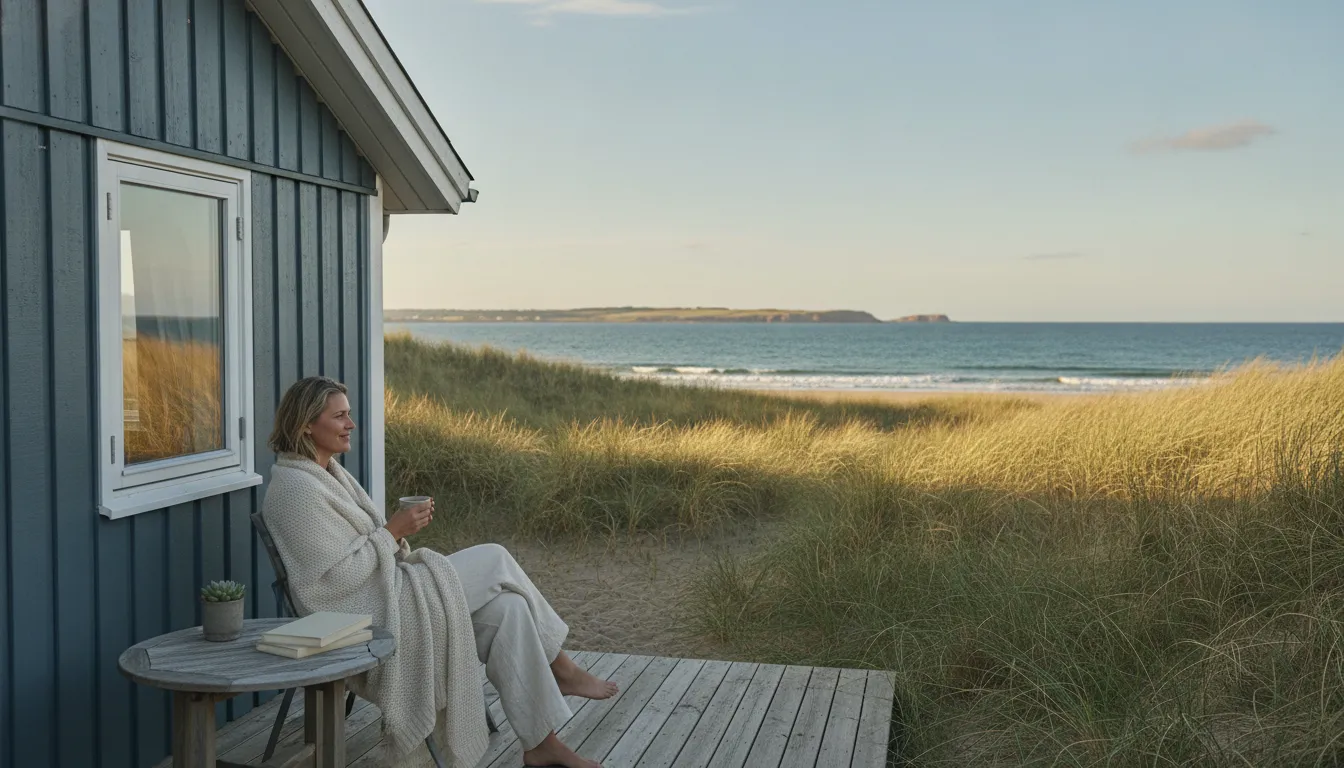
Imagine waking up to the sound of waves in your own “sommerhus” on the Danish coast – coffee in hand, no emails, just peaceful Nordic calm. For many Brits, this dream is worth pursuing. However, since Brexit, UK citizens are now seen as non-EU citizens under Danish property law. This means that buying a summer house in Denmark now involves specific legal challenges. The good news is that it is still possible. This guide will cover exactly what you need to know.
Staying connected is often a key concern for people splitting their lives between countries. Making sure your home phone number still works abroad lets you receive calls from family, friends, and banks without extra hassle. This is vital when managing a property purchase overseas or simply keeping up with life back home. You can find useful guides on managing your phone number, such as how to keep your UK number abroad or your US number abroad, to ensure you’re always reachable.
Can UK Citizens Buy a Summer House in Denmark After Brexit?
Yes, but it is challenging. Since the UK left the European Union, British nationals are treated as citizens from outside the EU under Danish property laws. This is important because there are strict rules for buying a summer house in Denmark. These rules are even stricter than those for buying a main home and also apply to EU citizens.
Under the Danish Acquisition of Real Estate Act (known as Erhvervelsesloven), you cannot buy a summer house in Denmark without special permission unless you either live permanently in Denmark or have lived there for a total of at least five years at any point in your life.
If you do not meet this five-year rule, you have two other options:
-
Apply for special permission: You can ask for special permission from the Department of Civil Affairs (called Civilstyrelsen). This department works under the Danish Ministry of Justice. They review each application individually and will judge it based on how strong your connections to Denmark are. These connections can include:
- Having family members in Denmark.
- Speaking the Danish language.
- Already owning other property in Denmark.
- Having cultural ties to Denmark.
- Having spent time in Denmark before.
It’s crucial to understand that you must apply for permission to buy a specific property. You cannot get a general approval to buy any summer house you like. The process usually takes about 10 weeks once all your documents are submitted, and you will need to provide a lot of evidence Having a long and detailed history of holiday visits to Denmark often helps the most. Many experts strongly advise working with a Danish lawyer for this process. In reality, special permission is not given very often. Do not underestimate how high the bar is to get approval.
-
Buy through a Danish private limited company: Another option is to purchase the summer house using a Danish private limited company, known as an ApS (Anpartsselskab). This can be a good choice if you have real business connections to Denmark and are not just setting up the company to avoid the usual permission process However, this method comes with its own legal and administrative tasks. You might still need to ask for permission even if you use a company It is highly recommended to get advice from a qualified Danish lawyer before you choose this path.
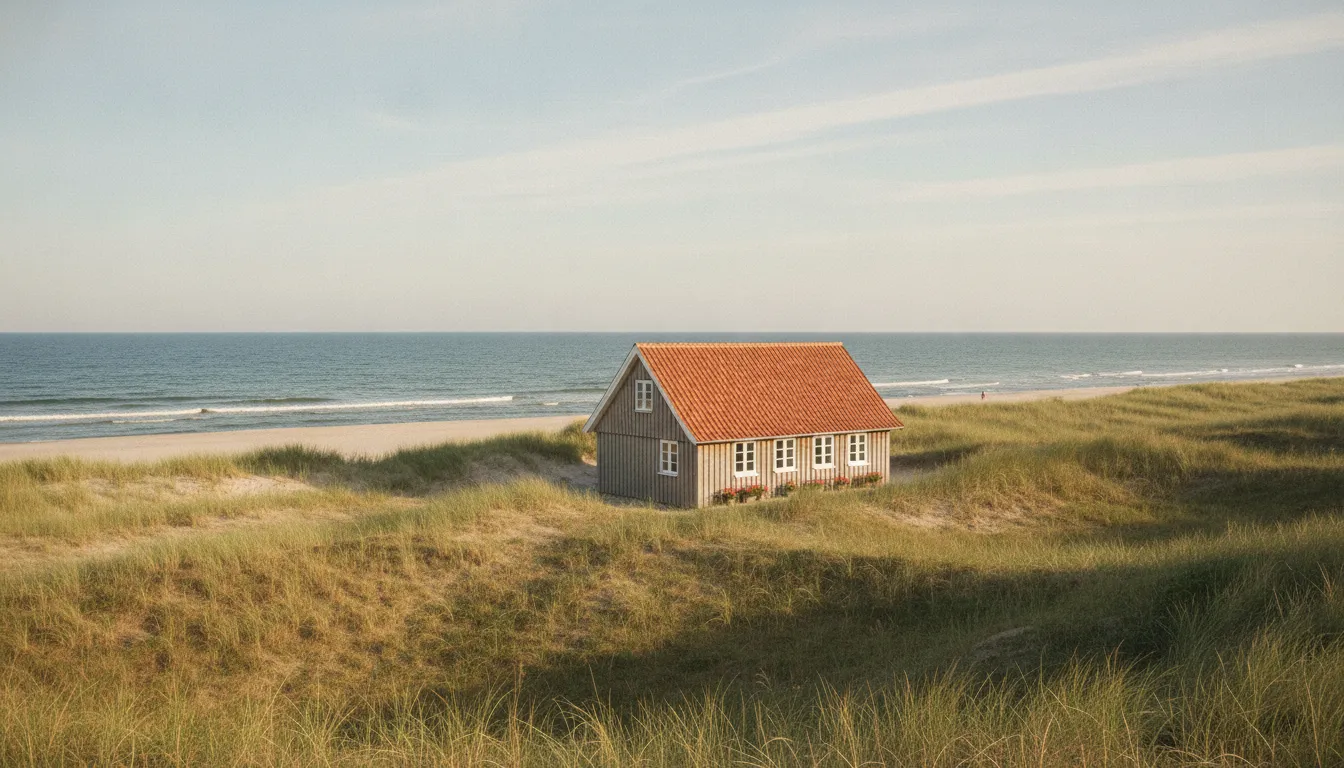
It is also important to know that summer houses in Denmark are used differently from main homes. Generally, you cannot register a summer house as your permanent address If you cannot buy a summer house in Denmark right now, renting one first is an excellent way to experience the sommerhus lifestyle before you decide to buy. For more general information on buying property in Denmark, including rules for main residences, you can check guides like the one on moving to Thailand from UK for broader expatriate property considerations, or our own detailed guide that covers all the legal requirements.
Does Buying a Danish Holiday Home Grant You Residency?
No, buying property in Denmark does not give you the right to live there permanently. In fact, the opposite is usually true: you typically need to have residency or the correct permission before you can buy property in Denmark If you are thinking about moving to Denmark, our guide on moving abroad covers the full residency process and related steps.
How Do UK Citizens Buy a Summer House in Denmark? (Step-by-Step Guide)
Buying a summer house in Denmark requires careful planning, especially for UK nationals who need to follow the post-Brexit rules. Once you have confirmed you are allowed to buy, or you have received the necessary permission, here is how the process usually works:
1. Find the Right Summer House
Most properties for sale in Denmark are listed online. You can search websites like boligsiden.dk, edc.dk, and nybolig.dk to see what is available. These sites are in Danish, but most web browsers can translate them into English for you. You can also get in touch with a real estate agency or broker directly; they can help you find suitable properties. Other ways to find houses include social media listings, property auctions, and local newspapers.
2. Sort Out Your Financing
Before you start looking at properties seriously, make sure your finances are in order. If you need a mortgage or a bank loan, getting pre-approval first will save you time and prevent disappointment later. In Denmark, the minimum down payment is 5% of the purchase price. However, as a foreign buyer, banks will likely ask for much more – possibly up to 30% The exact amount depends on your financial situation and how long you have been living in Denmark. Danish banks often see foreign buyers as a higher risk, especially when buying a second home. For those managing money across borders, understanding foreign transaction fees is crucial; our guide on non-sterling transaction fees offers useful tips.
3. View the Property in Person
You should always visit the summer house yourself to get a real feel for it. Take your time and try to see several different properties in various areas. This allows you to compare them, and you will get a much clearer idea of what you can realistically afford.
4. Do Your Due Diligence
Before you agree to buy, you will have the chance to inspect the property thoroughly. As well as checking the condition of the house and the area around it, you should also look at the Land Register. This will tell you about any debts or restrictions linked to the property. If you have applied for special permission from Civilstyrelsen, make sure to include a condition in the purchase agreement (called the købsaftale) that makes the whole sale dependent on that permission being granted. Do not sign a final contract before this condition is in place.
5. Complete the Purchase
Once you have agreed to buy the property, the terms will be written down in a purchase agreement. When everyone involved has signed it, the contract becomes legally binding. When the money is sent to the seller’s bank account, ownership is officially registered with the local Land Register under a new property title.

6. Insure Your Home
Getting insurance for your summer house is an important step before you become the owner. A good policy will cover the building itself, the items inside it, and any personal liability. This gives you peace of mind so you can truly enjoy your new place.
7. Enjoy Your Danish Summer House
Once you have the keys, it is time to make the most of your new property. Stock up on candles, find the nearest path to the beach, and settle into your very own piece of Danish life. For advice on everyday living in a new country, you might find our article on money-saving hacks when moving to Italy helpful for general expatriate financial management.
What is the Cost of a Summer House in Denmark?
Property in Denmark is generally quite expensive, and summer houses are no different. Prices can change a lot based on where the property is, its size, and its condition. If you have a smaller budget, timeshares could be an option. These are properties owned by several people, with each owner getting to use them for a certain number of weeks each year. You can find timeshares listed on boligsiden.dk.
If you want to own a summer house outright, the average price for a house of about 80 square meters in Denmark is around 1,819,000 DKK. This is roughly £203,492 in British Pounds, according to Nordea Kredit The average price is expected to go up by about 3% by the end of 2026. However, prices really depend on the specific property and its location. In popular areas like the Danish Riviera or North Jutland, prices can easily be several hundred thousand pounds, and premium houses right on the coast can cost well over a million.
Buying a summer house in Denmark is a significant financial commitment, and the costs go beyond just the purchase price. When moving large sums of money for property abroad, it’s essential to consider all fees involved in international transfers, as this can affect your overall budget. For example, some banks may add hidden charges to their exchange rates.
What Property Taxes Apply to a Danish Summer House?
Disclaimer: This information is for general guidance only and should not be seen as financial or tax advice. You are responsible for understanding and paying your own taxes according to the law. Always consult a qualified financial advisor for tax decisions.
Denmark changed its property tax system significantly in 2024. Before this, property values used for tax had been frozen since 2002. The new rules link taxes more closely to what properties are actually worth in today’s market, rather than using old valuations.
As a summer house owner, you will usually pay two main ongoing property taxes
| Tax Type | Tax Rate (2024) |
|---|---|
| Property value tax | 0.51% on property values up to DKK 9.2 million; 1.4% on any amount above that (calculated on 80% of the property’s market value) |
| Land tax (Grundskyld) | Set by the local municipality; rates vary across Denmark |
You will have limited responsibility for these taxes as the owner of a Danish holiday home. However, you will become fully responsible if you spend more than three months in a row or more than 180 days in a year in the country This is an important detail for those who plan to spend extended periods in their Danish summer home.
Is a Danish Summer House a Good Investment?
This is a common question from potential buyers, and the honest answer is that it depends, and there are no guarantees. Prices for Danish summer houses have generally gone up over time, especially in popular coastal areas. Nordea Kredit predicts that the average price of a holiday home will increase by about 3% by the end of 2026 However, some regions will perform better than others, and the property market can still face slowdowns.
Rental income can make the numbers look more appealing. Denmark offers good tax deductions on income you earn from renting out summer houses, especially if you rent through a registered agency This can help some buyers cover the ongoing costs of owning the property.
However, you must also consider significant ongoing expenses:
- Maintenance: This is especially true for wooden houses, which need regular painting and care.
- Property taxes: As mentioned above, you will pay property value tax and land tax.
- Utilities: Electric heating is common in summer houses and can be expensive.
- Insurance: You will need to cover the building and its contents.
- Homeowners’ association fees: These are common in many summer house areas.
- Travel costs: The cost of trips between the UK and Denmark can add up.
Also, the rules for using summer houses mean you cannot live in one all year round. For many buyers, a Danish summer house is mainly a lifestyle choice – a place to make lasting memories, not just a financial asset. If rental income and long-term value growth are part of your plan, they can be real benefits. But they should not be the only reason you decide to buy. This section provides general information only and is not financial advice. If you are thinking about a Danish summer house as an investment, please talk to a qualified financial adviser.
How to Pick the Best Summer House in Denmark?
There is no single correct answer to this question. The best summer house is the one that suits your life, your budget, and how you plan to use it. Here are some things to think about when making your choice:
Budget
Your budget is one of the most important factors, and it includes much more than just the purchase price. Think carefully about the ongoing costs: maintenance, taxes, insurance, and travel. Older houses, in particular, might need renovation work, which can quickly become expensive. Our guide on the cost of living in Denmark can give you a good idea of everyday expenses in the country.
Condition of the House
Older houses may need more care and sometimes significant money spent on them. Before you commit to anything, make sure you have a realistic idea of what work is needed and how much it will cost. Getting a full survey of the property is always a worthwhile investment.
Location
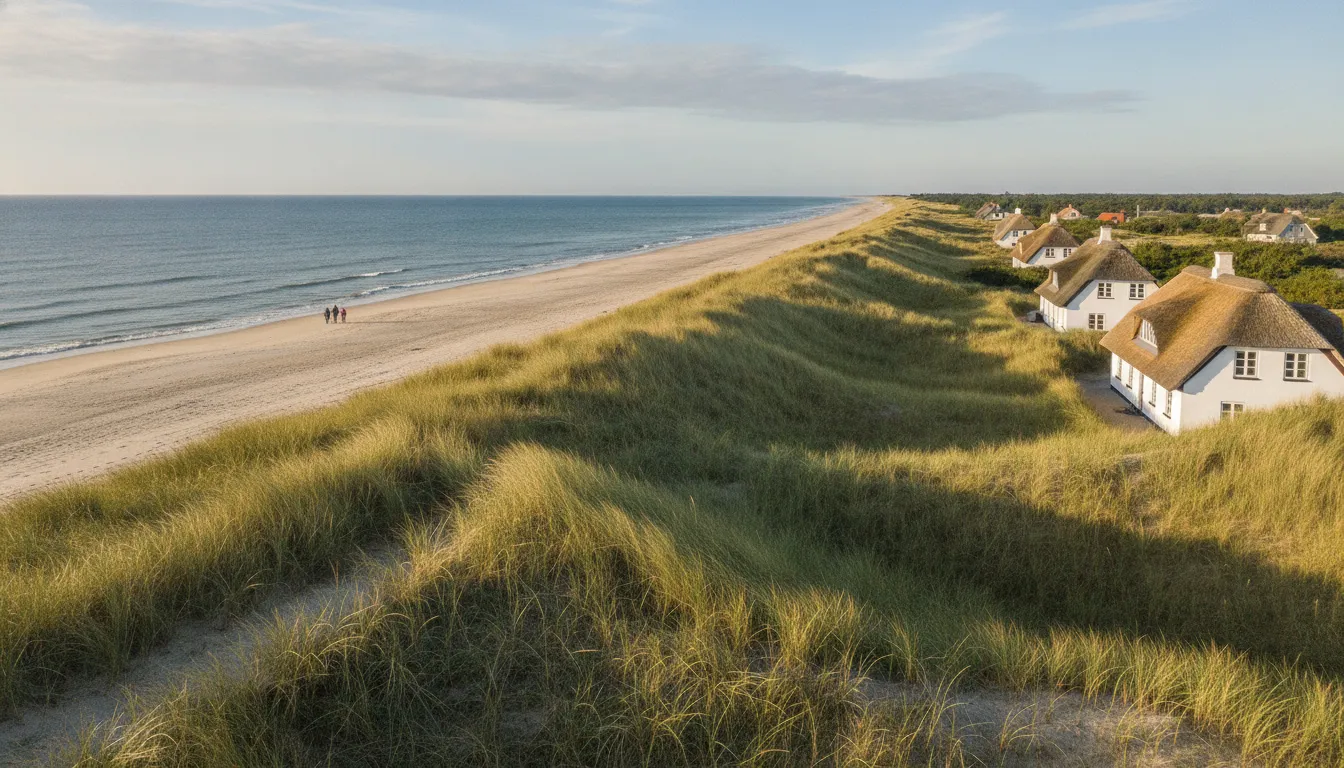
Denmark has many beautiful areas for summer houses, each with its own feel and price range. Popular places to explore include:
- The West Coast: Known for wide, sandy beaches and impressive North Sea views.
- North Jutland: Includes the charming and very popular town of Skagen.
- Bornholm: An island in the Baltic Sea with its own unique artistic style.
- Fyn and the South Funen Archipelago: Features calm waters, ideal for sailing.
- The Danish Riviera (North Zealand): Located close to Copenhagen and considered one of Denmark’s most exclusive areas.
Also, think about how easy it is to get to the location from the UK. Good transport links make a big difference if you plan to visit often. When traveling, having an eSIM can simplify connectivity; learn more in our guide comparing eSIM vs physical SIM cards.
Internet Access
Even if you plan to switch off from work, reliable internet can be important. This is especially true if you work remotely sometimes or enjoy streaming movies in the evenings. Check if the property already has a good internet connection, or if one can be set up easily.
Common Questions About Buying a Danish Summer House
What is Denmark’s 5-Year Rule for Property?
The five-year rule is part of Denmark’s Acquisition of Real Estate Act. It means that foreigners who have lived in Denmark for a total of at least five years do not need special permission from the authorities to buy property. Since Brexit, UK nationals are treated as non-EU citizens, and this five-year rule applies to both summer houses and permanent homes in Denmark.
Can You Rent Out a Danish Summer House When You Are Not Using It?
Yes. Many summer house owners in Denmark rent out their properties during the weeks they are not there, especially during the busy summer months. If you rent your property through a registered agency, you might qualify for favourable tax-free deductions on the rental income You will still need to report any earnings above the allowed amount to the Danish tax authorities (SKAT). Depending on your tax residency, you might also have tax obligations in the UK.
How Long Can You Stay in a Danish Summer House?
Summer houses in Denmark are not classed as permanent homes. During the summer period, which is generally from March to October, you can use the property as much as you wish. However, during the winter months (November to February), your use of the property is usually limited to about nine weeks in total.
Key Takeaways
After Brexit, UK citizens are treated as non-EU citizens under Danish property law. To buy a summer house, you must either have lived in Denmark for at least five years or get special permission from the Department of Civil Affairs. Getting special permission is rare and requires strong ties to Denmark, such as family connections, language skills, or a well-documented history of long holiday visits. Your application for permission must be for a specific property.
Another option for buying property is through a Danish private limited company (ApS) if you have real business connections. However, this route does not grant residency and involves extra legal duties.
When financing a Danish holiday home, foreign buyers typically need a larger down payment, potentially up to 30%, compared to the standard 5% for local buyers. This is because Danish banks see foreign buyers as a higher risk.
The average summer house in Denmark costs about 1,819,000 DKK (roughly £203,492) and comes with ongoing expenses like property value tax, local land tax, maintenance, and utility bills. Remember to stay connected with your home country while abroad, whether you need to manage your finances or just keep in touch with loved ones, by keeping your phone number active, similar to how Germans keep their number abroad or Brazilians keep their number abroad.
Sources
| # | Source | Website |
|---|---|---|
| 1 | boligsiden.dk | boligsiden.dk |
| 2 | edc.dk | edc.dk |
| 3 | nybolig.dk | nybolig.dk |
| 4 | Faq | eng.civilstyrelsen.dk |
| 5 | Buying property in denmark 2026 foreign buyers | globallawexperts.com |
| 6 | Purchasing real property | lifeindenmark.borger.dk |
| 7 | Guide to home loans | danskebank.dk |
| 8 | Nordeas forventninger til prisudviklingen paa huse ejerlejligheder og fritidshuse i 2025 og 2026 | nordea.com |
| 9 | Introduction to property in denmark | skat.dk |
| 10 | Buying a holiday home in denmark | skat.dk |
| 11 | Renting out your holiday home | skat.dk |