
Buying Off-Plan Property in Spain: A UK Buyer's Guide
UK buyer's guide to buying off-plan property in Spain. Understand NIE, deposits, legal protections, financing, and common construction delays to make your Spanish dream home a…


TL;DR: Buying an off-plan property in Spain means purchasing a home before it’s built. For UK buyers, this process requires a Spanish tax ID (NIE number) and a local solicitor. While Spanish law offers protection for your deposits with a bank guarantee, be ready for common construction delays, often 6 months or more. Mortgage funds usually become available only when the property is finished, so you’ll need to cover early payments yourself. Expect to budget an extra 12% to 15% on top of the property price for fees and taxes like 10% VAT, stamp duty, and legal costs.
Imagine you’re living in the UK, but your heart is set on a sunny Spanish home. You want a modern, custom-built place, ready for you to enjoy whenever you visit, or even move into permanently. But buying a house that isn’t even built yet – what’s that like? It sounds like a big leap of faith, especially when you’re managing things from another country. Many people dream of this, but making sure you stay connected and handle everything smoothly from a distance, perhaps even keeping your UK phone number working, is key to turning that dream into reality. This guide explains everything you need to know about buying off-plan property in Spain as a UK buyer.
What does “off-plan” mean when buying property in Spain?
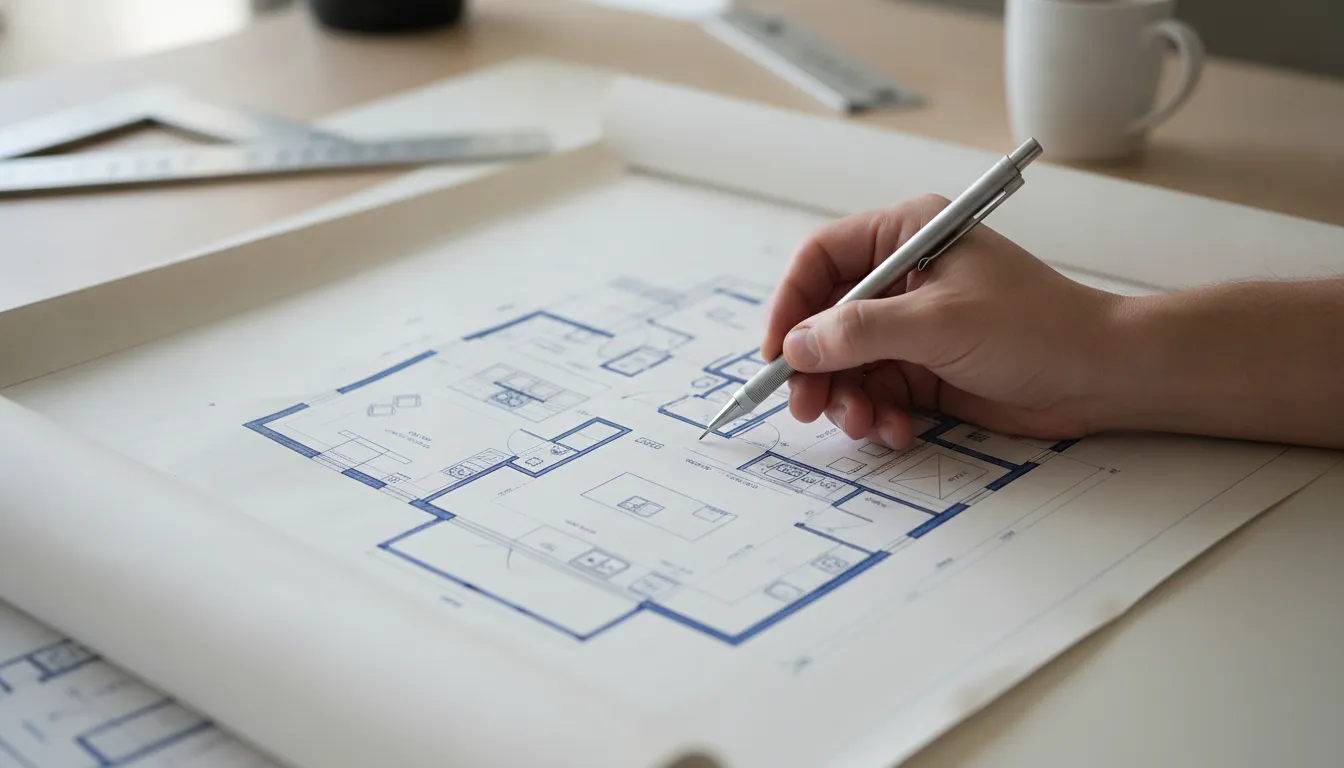
Buying “off-plan” means you agree to purchase a property before it has been fully constructed. Sometimes, building work might not have even started. You decide to buy based on plans drawn by architects, detailed floor layouts, and computer-made 3D pictures showing what the finished home will look like. In some cases, you might be able to visit a show home that gives you an idea of the final quality and design.
In Spain, these kinds of sales, known as sobre plano, have special legal protections. These laws are especially important for the deposit money you pay to the builders or developers. Spanish law requires developers to give you either a bank guarantee (aval bancario) or special insurance. This ensures your deposits are safe if the building project faces delays, is stopped, or if the developer’s company fails.
The process usually starts with a reservation payment for the property. Then, you make regular payments in stages as the construction reaches certain key points. All these payments are made according to the contract you sign. Once the property is finished and all payments are made, the property officially becomes yours. Sometimes, you might even have the chance to choose specific details for your home, such as the type of flooring, other finishing materials, or even the internal layout.
Can people from other countries buy property off-plan in Spain?
Yes, people from other countries can definitely buy property in Spain. This includes both homes that are already built and those that are being sold off-plan. To do this, you will need a special tax identification number for foreigners, called a Número de Identificación de Extranjero (NIE). You also need a valid ID, such as your passport, and enough money or a loan to pay for the purchase.
What are the main benefits and drawbacks of buying off-plan property in Spain?
When you consider buying off-plan property in Spain, there are several good reasons to do so, but also important disadvantages and risks to keep in mind. It’s smart to weigh these pros and cons before making a decision.
Pros (Advantages):
- Potentially lower price: You might be able to buy the property at a lower cost than if you waited until it was fully built and sold at market price. This is especially true if you commit to buying early in the project.
- Flexible payments: Many off-plan sales offer payment plans that let you spread out your payments over time, rather than paying a large sum all at once. This can make the purchase more manageable financially.
- Customisation options: You might get to choose certain finishes, materials, and fixtures inside your home. This allows you to tailor the property to your personal taste and style.
- Deposit protection: Spanish law provides strong legal protection for your deposits through bank guarantees or insurance, safeguarding your money if the project runs into trouble.
- Potential for value growth: Property values often go up once a new development is finished. This means your off-plan purchase could become a good investment if you choose carefully.
- Modern and efficient homes: New off-plan properties in Spain are often designed with modern styles and energy-saving features, making them efficient and comfortable homes.
Cons (Disadvantages):
- Long waiting time: You might have to wait up to 3 years before you can move into your new home, as it needs to be built from scratch.
- Construction delays: It’s very common for building projects to face delays. This means you could end up waiting even longer than first planned to get your keys. Planning for at least an extra 6 months is a wise approach.
- Developer risks: There’s a real risk that the developer could go out of business. This is why it’s extremely important to make sure you have a valid bank guarantee that covers 100% of all your payments.
- No rental income during build: If you plan to rent out the property, you won’t earn any money from it while it’s still under construction.
- Mortgage challenges: Spanish banks usually only release mortgage funds when the property is completed and handed over. This means you will likely need to cover most of the instalment payments yourself during the construction phase.
- Market value changes: If property values in the local area drop before your home is finished, the market value of your new property might be lower than what you initially expected.
- Quality concerns: The final quality of the building might not be as good as what was shown in the marketing pictures or brochures. You might need to do a lot of “snagging” work (fixing small defects) once you take possession.
This information is for general guidance only and is not financial or investment advice. Always talk to a qualified financial advisor before making big decisions.
How do you buy off-plan property in Spain step-by-step?
Let’s look at the clear steps involved in how to buy off-plan property in Spain, so you know what to expect during the process.
1: How do you start by planning your budget and what you want?
Before you begin looking at properties, it’s crucial to know exactly what you’re searching for and how much money you can realistically spend. Make sure to include all the extra costs and fees in your budget. Remember that you need to be able to pay for the full cost of the property through a series of payments over time, not just the first deposit. It’s important to sort out your finances early, whether you’re bringing money from the UK or arranging a mortgage in Spain.
2: What documents do you need, like an NIE?
To buy property in Spain as a foreigner, you absolutely need an NIE. This stands for Número de Identificación de Extranjeros, which is your Spanish tax identification number. You can get an NIE by visiting a Spanish police station and showing your passport. Alternatively, if you are still in the UK, you can apply for it at a Spanish Consulate.
You will also need to prepare other important paperwork, such as your valid ID and proof of where your funds come from. This might include recent bank statements. It’s also a good idea at this stage to think about opening a local bank account in Spain. This will make paying for things and receiving funds much easier. If you plan to live in Spain or spend significant time there, staying connected is also key. Consider what you’ll do about your phone number – will you get a Spanish one, or look into services that let you keep your UK number abroad? Researching this now can save you hassle later.
3: Why is it important to find a solicitor?
While it’s not legally required to have a lawyer for buying property in Spain (some legal tasks are handled by a notary), it is very strongly recommended to hire your own independent solicitor, especially when buying off-plan property in Spain. Your Spanish lawyer, or abogado, will carefully check every part of the contract before you sign it. They will make sure that your deposit payments are fully protected by a valid bank guarantee.
Your solicitor will also help negotiate the price, check that all building licenses are valid, confirm the land ownership and legality, and ensure that the developer’s construction agreements and the final handover meet all local legal rules. Most importantly, they will protect your interests throughout the entire buying process. A good place to start looking for a solicitor is the list of English-speaking property solicitors available on the UK Government website. Whoever you choose, make sure they are officially registered with the local bar association, called the Colegio de Abogados.
4: Should you hire an estate agent?
Using an estate agent is not a must. You could go directly to the property developer and buy a unit yourself. However, it can be extremely helpful to work with a trusted local expert. An estate agent can assist you in finding suitable properties, narrowing down your choices, and guiding you through the often-complex buying process. You will need to pay a commission fee for their services.
It’s worth noting that Spain doesn’t have national licensing rules for estate agents. However, some areas, like Valencia and Andalusia, now have their own mandatory registration laws. So, it’s a good idea to check these local rules before you pick an agent in the area where you want to buy.
5: How do you research properties and make a shortlist?
It is vital to do your homework thoroughly before you commit to buying off-plan property in Spain. Your estate agent can help you create a list of properties that match what you are looking for. Once you have this list, you should carefully investigate several key aspects:
- Floor plans and layouts: Understand the exact design and how the space will be used.
- Technical specifications: Look into the quality of materials and building standards.
- Payment plans: Make sure you understand the schedule and amounts for each payment.
- Developer’s reputation: Research the developer’s past projects and reviews to ensure they are reliable.
- Show homes: If available, visit show homes in person to see the quality and style up close.
- Local amenities: Check what shops, schools, and services are nearby.
- Construction schedules: Get a clear timeline for when the property is expected to be finished.
- Return on investment: Consider the potential for the property’s value to grow if you view it as an investment.
6: What happens when you reserve the property and sign the contract?
Once you and your solicitor have completed all necessary research and checks, and you have chosen your off-plan unit, it’s time to officially reserve it. You will need to select a payment plan, if there are different options available. Then, you will sign the sales contract and pay an initial reservation deposit. At this point, the unit will be taken off the market and officially reserved for you. A date will also be set for the final completion of the purchase.
Remember, it is absolutely essential to have your solicitor review the contract in detail before you sign anything. After you pay the initial deposit, you should receive your first bank guarantee. You will get a separate guarantee for every payment you make after this. This guarantee is a critical part of the legal protection for your investment.
7: How do you pay the instalments?
While the construction of your property is ongoing, you will need to make regular instalment payments. These payments are set out in your contract and are typically linked to specific construction milestones, such as the completion of the foundations or the roof. It is important to know that these payments must go into a special, separate bank account. This account is kept distinct from the developer’s own business funds, which adds another layer of security for your money. For each of these instalment payments, you will receive an individual bank guarantee, confirming that your money is protected.
8: Why is a property inspection important before completion?
A very important step before your property is officially handed over to you is the property inspection. It is highly recommended to hire a professional, independent inspection company or a surveyor to thoroughly check the property before the final completion date. This inspection is your chance to identify any faults, defects, or “snags” in the construction. It’s best to have these issues fixed while the developer is still responsible for the building work. Addressing problems at this stage can save you significant time, money, and stress later on.
9: What happens at completion, handover, and when you move in?
As the completion date gets closer, your solicitor will make sure that the developer has removed any existing mortgage or loans that were on the property. This ensures that the title can be transferred clearly and fully to you without any outstanding debts. A final meeting will be arranged for all the necessary legal paperwork and signatures. On this date, you will also pay any remaining balance on the purchase price.
You will pay any relevant taxes, and the property will then be officially registered in your name. After this, the developer will formally hand over the property to you. You will receive the keys, and you can finally move into your new Spanish home!
What are the fees and taxes for buying off-plan property in Spain?
Buying off-plan property in Spain involves several fees and taxes in addition to the purchase price. It’s crucial to budget for these extra costs from the start.
Disclaimer: The information below is for general guidance only and should not be seen as financial or tax advice. You are responsible for calculating and paying your own taxes according to the law. Always consult a qualified financial advisor for tax and financial decisions.
Here are the main fees and taxes you should know about:
| Type of Fee/Tax | Typical Cost |
|---|---|
| VAT (IVA) | 10% of the property price |
| Stamp Duty (AJD) | Varies by region, usually around 0.5% to 1.5% |
| Land Registry Fees | Typically 0.1% to 2% |
| Notary Fees | Typically 0.1% to 2% |
| Legal Fees | Varies, usually around 1% |
| Property Inspection/Snagging | Around €200 to €500 EUR |
You might also have additional fees related to your mortgage if you are taking one out, such as arrangement fees or valuation fees. Overall, these essential fees and taxes typically add about 12% to 15% on top of the property’s purchase price.

What are some helpful tips for buying off-plan property in Spain?
Buying off-plan property in Spain can be a great experience if you follow some key tips:
- Hire an independent solicitor: This is perhaps the most important tip. An independent local solicitor is essential for protecting your interests and ensuring everything is legally sound.
- Check developer permits: Before you sign any contract or make any payments, make sure your solicitor confirms that the developer has a valid building license (licencia de obras) and proper planning permission for the project.
- Get individual bank guarantees: For every single deposit or payment you make, ensure you receive an individual bank guarantee. This guarantee must be specific to you and the project, not a general one.
- Budget for all costs: Don’t forget to include taxes like VAT and stamp duty, as well as legal and notary fees, into your overall budget. These can add a significant amount to the total cost.
- Expect delays: Even if you’re given a completion date, it’s wise to plan for at least 6 months of delays. Construction projects often run behind schedule.
- Plan your cash flow: Be careful when planning your payments. You might not be able to get a mortgage until the property is officially handed over. This means you will likely need to cover all instalment payments yourself until that point. If you live abroad, make sure you know what happens to your phone number if you move abroad so you stay reachable during these crucial financial periods.
Can you get a mortgage for off-plan property in Spain?
Yes, you can generally get a mortgage for an off-plan property in Spain. However, it’s very important to understand that most mortgage lenders will not release the funds until the property is fully built and officially handed over to you. This means you will need to pay for the initial instalment payments yourself using your own funds. You can then use the mortgage to cover the remaining balance on the completion day.
Keep in mind that as a foreign or non-resident applicant, you might face less favourable mortgage terms. This could mean you won’t be able to borrow as much money, or you might not get the most competitive interest rates available. It’s always good to compare options and seek advice from an expert in international mortgages. You can find more detailed information in guides such as getting a mortgage in Italy as a UK foreigner, which shares similar considerations for expats across Europe.

What happens if the developer of an off-plan property goes out of business before the home is built?
If an off-plan property developer in Spain goes out of business before your home is built, your money is protected by law. All the deposits you pay must be held in a special, separate account. This account is kept completely apart from the developer’s own business funds. In addition, the developer is legally required to provide you with a bank guarantee for your payments.
However, it’s crucial to be aware that this bank guarantee only becomes active and provides protection once the developer has received full planning permission for the project. Therefore, you should always ask to see clear proof of this planning permission before you make any payments. This verification step is vital to ensure your funds are fully protected from the very beginning.
Key Takeaways
Buying off-plan property in Spain offers unique opportunities, especially for UK buyers looking for a modern home in the sun. Spanish law provides strong legal protection, requiring developers to offer a bank guarantee or surety insurance for all your deposit payments. It is essential for buyers to get a Spanish tax ID, known as an NIE number, and to hire an independent local solicitor. This lawyer will check all building licenses and contracts carefully before you hand over any money.
Be prepared for common construction delays, which can often extend the waiting time by at least 6 months. Also, remember that Spanish bank mortgages usually only provide funds when the property is officially handed over. This means you will typically need to cover the initial instalment payments yourself. Budgeting is key, as essential fees and taxes typically add roughly 12% to 15% on top of the purchase price. This includes 10% VAT, stamp duty, legal costs, and notary fees. For those moving to Spain, remember to plan for all aspects of your new life, including how you’ll manage your finances and communications from abroad, perhaps by reviewing a moving abroad checklist to ensure a smooth transition.
Related reading
Sources
| # | Source | Website |
|---|---|---|
| 1 | list of English-speaking property solicitors | gov.uk |
| 2 | 857154 buying off plan in spain a complete guide for foreign buyers | idealista.com |
| 3 | Process buying plan property spain | solicitorsinspain.com |
| 4 | Snagging inspection spain new build | newbuildhomescostablanca.com |
| 5 | 6793 taxes buying property spain | idealista.com |