
Buying Property in Australia as a Foreigner (UK Guide)
Planning to buy property in Australia as a foreigner from the UK? Learn about the rules, costs, market trends, and financing tips, including restrictions on existing homes and…

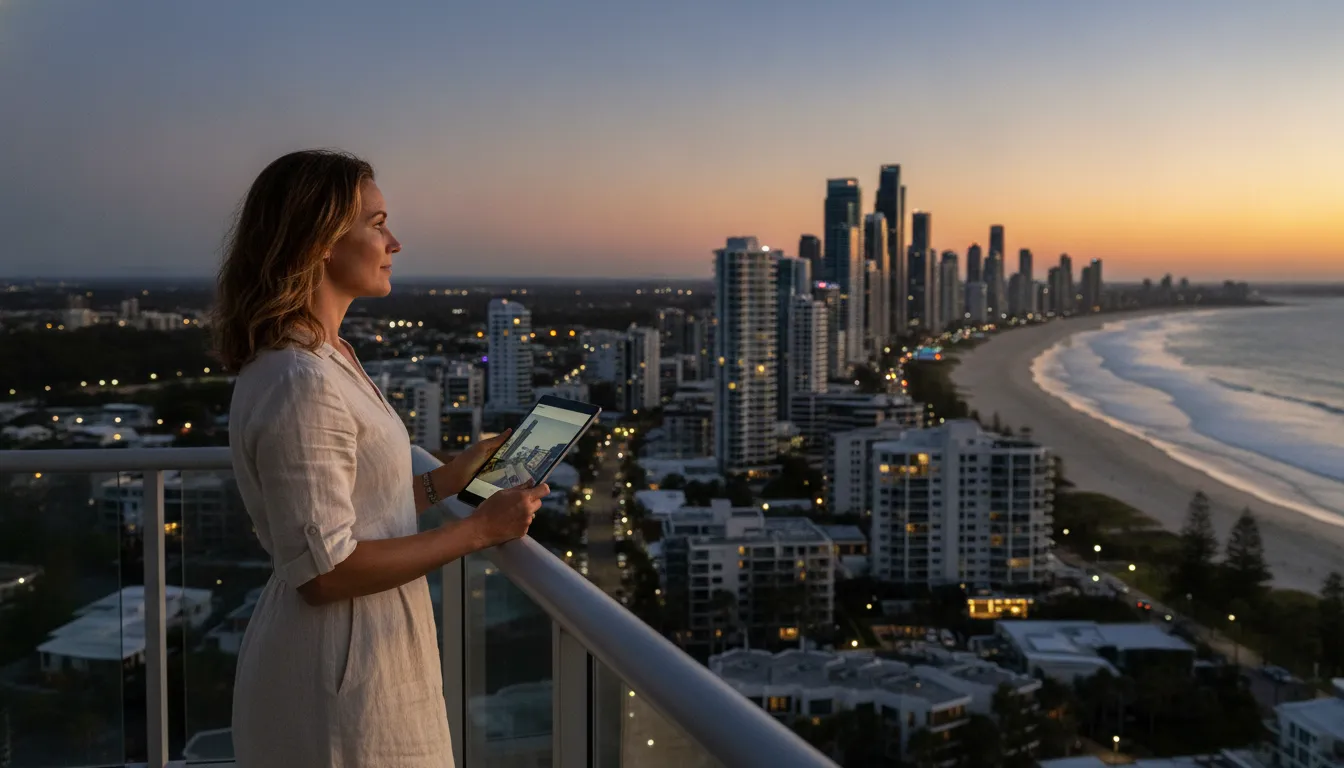
TL;DR: If you’re a foreigner interested in buying property in Australia, you face specific rules. You cannot buy existing homes until March 2027, but you can buy new properties, vacant land, or homes for redevelopment. You must get approval from the Australian Taxation Office (ATO), which costs a fee from $4,500 to over $1.25 million based on the property’s value. Expect a Foreign Buyer Surcharge on Stamp Duty of 7% to 9%. The market is strong, with prices rising for 13 consecutive months and an 11% increase nationwide in the last year. Non-residents usually need a larger deposit of 30% to 40% for a mortgage.
Imagine you’ve found the perfect spot in Australia, a place where you can split your time, perhaps soaking up the sun in Queensland or enjoying the city life in Sydney. Many people dream of buying property in Australia as a foreigner, whether it’s for holidays, investment, or a future move. But trying to manage such a big purchase from another country can be tricky, especially when it comes to staying connected and making sure your home phone number works abroad. While focusing on your property search, don’t forget the practical steps, like researching how to keep your UK number working abroad or how to manage finances when you’re far away. Let’s explore the rules and steps for foreigners looking to buy property Down Under.
Can people from the UK buy property in Australia?
Yes, people from the UK and other foreign countries can buy property in Australia, but only under certain rules. These rules are in place until March 31, 2027, and they generally stop foreign nationals from buying homes that already exist.
However, you are allowed to buy:
- A new home or one that is almost new.
- An existing home if you plan to knock it down and rebuild new homes.
- A piece of empty land.
- A property that is still being planned or built (called ‘off-plan’), bought directly from the developer.
Foreign investors (people who don’t live in Australia) and temporary residents must ask for special permission or an exemption from the Australian Taxation Office (ATO) before they can buy a property. You will need to pay an application fee, which changes depending on how much the property is worth. You can find more details about this on the ATO website.
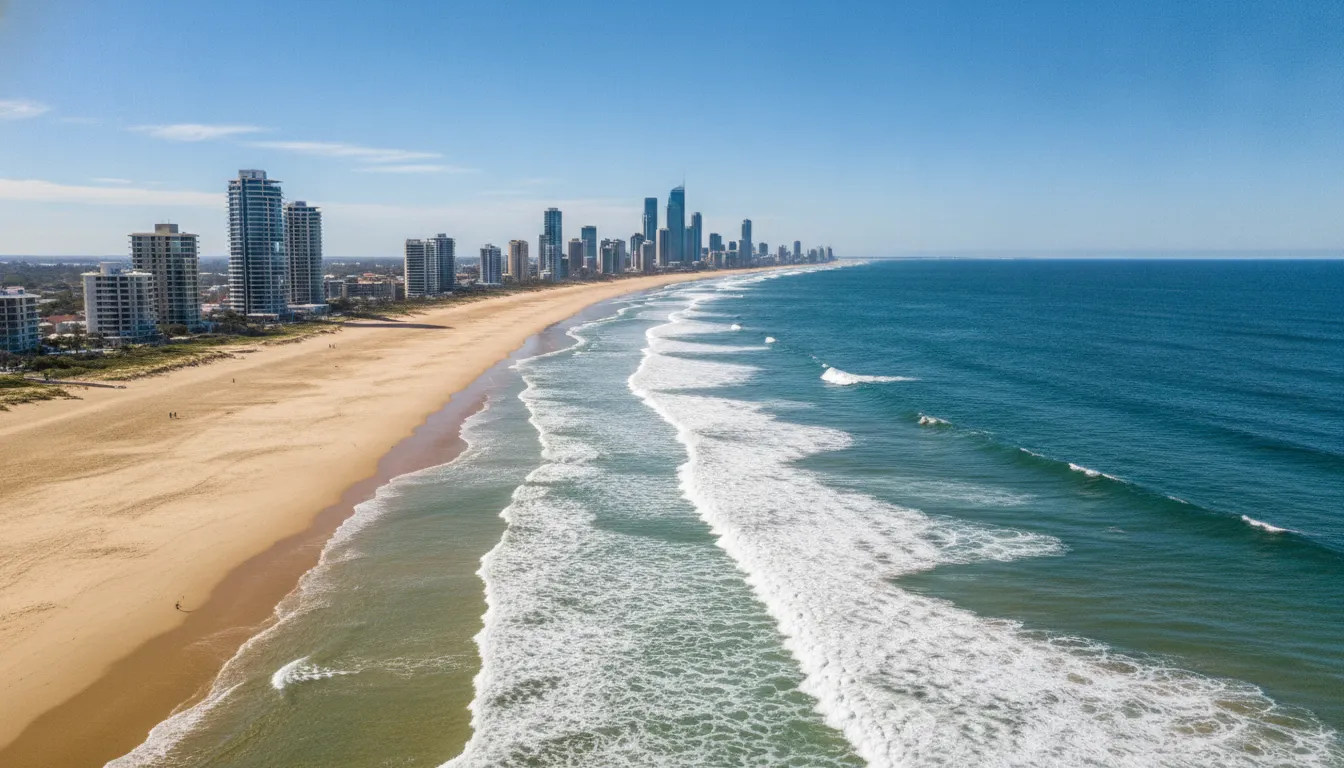
Will buying real estate help me get permanent residency?
No, simply buying property in Australia as a foreigner does not automatically give you permanent residency. To live in Australia for good, you will need to apply for the correct visa. This process is separate from buying property and requires meeting specific visa conditions.
What is the real estate market like in Australia?
The Australian property market is currently growing steadily. House prices have gone up for 13 months in a row leading up to March 2026. Across the country, house prices jumped by a large 11% in the past year. This increase is happening because many people want to buy homes, but there aren’t enough homes available. This situation makes it a “seller’s market,” meaning sellers have an advantage. Buyers often have to pay more and compete with many other buyers to get a property, according to Property Update.
Is buying property in Australia a good investment?
Deciding if Australia is a good place to buy property abroad means looking at both the good and bad points. Here are some things to think about:
Good points (Pros):
- Strong value growth over time: House prices keep going up in Australia, which can mean your property becomes worth more.
- High rental income and demand: Many big Australian cities have a strong need for rental homes, and you can earn good money by renting out your property.
- Good quality of life: If you plan to live in Australia, you can enjoy a high standard of living.
Things to be careful about (Cons):
- Many rules for foreigners: There are lots of restrictions on what kind of property foreigners can buy, unless it’s a new home or a project to rebuild.
- No easy path to residency: Buying property does not lead to permanent residency through a special visa program.
- High property prices: Homes in Australia can be very expensive.
- Stricter mortgage rules: It might be harder for foreign buyers to get a mortgage, and you might need to pay a larger deposit.
How much do properties cost in Australia?
It’s important to know the average property prices in Australia when you are setting your budget and looking for a home. Here’s what properties cost on average in some of Australia’s main cities. These figures include both houses and apartments. Keep in mind that some cities have more apartments than others, which can change how the average price looks and affect which cities seem most expensive.
| Region | Average property price (AUD) |
|---|---|
| Sydney | $1,295,387 |
| Melbourne | $828,249 |
| Brisbane | $1,101,151 |
| Adelaide | $937,021 |
| Perth | $1,017,698 |
| Hobart | $737,742 |
| Darwin | $618,596 |
| Canberra | $892,800 |
As you can see from the table, property in Sydney is quite costly, with an average price of around $1,295,387 AUD. Melbourne’s average is lower at about $828,249 AUD, while Brisbane sits higher at $1,101,151 AUD. Perth, at $1,017,698 AUD, and Adelaide, at $937,021 AUD, are also significant investments. The most affordable averages among these major cities are Darwin at $618,596 AUD and Hobart at $737,742 AUD. These numbers give you an idea of the budget needed for buying property in Australia as a foreigner.
Where is the cheapest place to buy property in Australia?
If you are looking for cheapest place to buy property Australia on a tighter budget, some of the most affordable cities are Darwin and Hobart. You might also find cheaper homes in regional parts of Western Australia, Queensland, and Tasmania. These areas often offer more bang for your buck compared to the bustling major city centers.
What are the best places to buy property in Australia?
The best location for buying property in Australia as a foreigner depends on what you want the property for.
- For living as an expat: Big cities like Sydney or Melbourne offer a great lifestyle, rich culture, many job openings, and easy access to services and other parts of the country.
- For rental income: Darwin, regional Queensland, and Perth are good areas to consider if you want to buy a property to rent out.
- For holiday homes: The Sunshine Coast and Gold Coast are very popular for people looking for a holiday house.
- For retirement: Laid-back Adelaide or the lovely Sunshine Coast in Queensland are great choices if you are thinking about retiring abroad.
How can you make your property budget go further in Australia?
Buying a property in Australia is a big financial step, so any way to save money can help your budget stretch further. One common expense that people often overlook when buying property in Australia as a foreigner is the cost of sending large amounts of money internationally.
Many banks and other money transfer services might advertise “no fees,” but they can add a hidden extra cost to the exchange rate. This can reduce your budget by a notable percentage when you convert your currency into Australian dollars. For very large transfers, these small percentage points can add up to thousands of pounds.
To make your money go further, it is important to carefully compare different ways to send money. Look for services that offer transparent fees and exchange rates that are close to the mid-market rate (the one you see on Google). Choosing a service that clearly shows all costs upfront helps you avoid unexpected charges and makes sure more of your money reaches your Australian property purchase. This careful planning can lead to significant savings on your overall costs.

How do you search for property in Australia?
If you are new to the Australian property market, it can be very helpful to use a special real estate agent. They can guide you to the right property, especially if you haven’t moved to Australia yet and don’t know the local market well. The real estate business in Australia is strictly regulated, meaning all agents and agencies need a formal license to work. This helps you feel confident when choosing any licensed agency for advice.
You can also hire a Buyer’s Agent. This person works only for you, helping you find and buy property. Keep in mind that you will usually have to pay fees for their service.
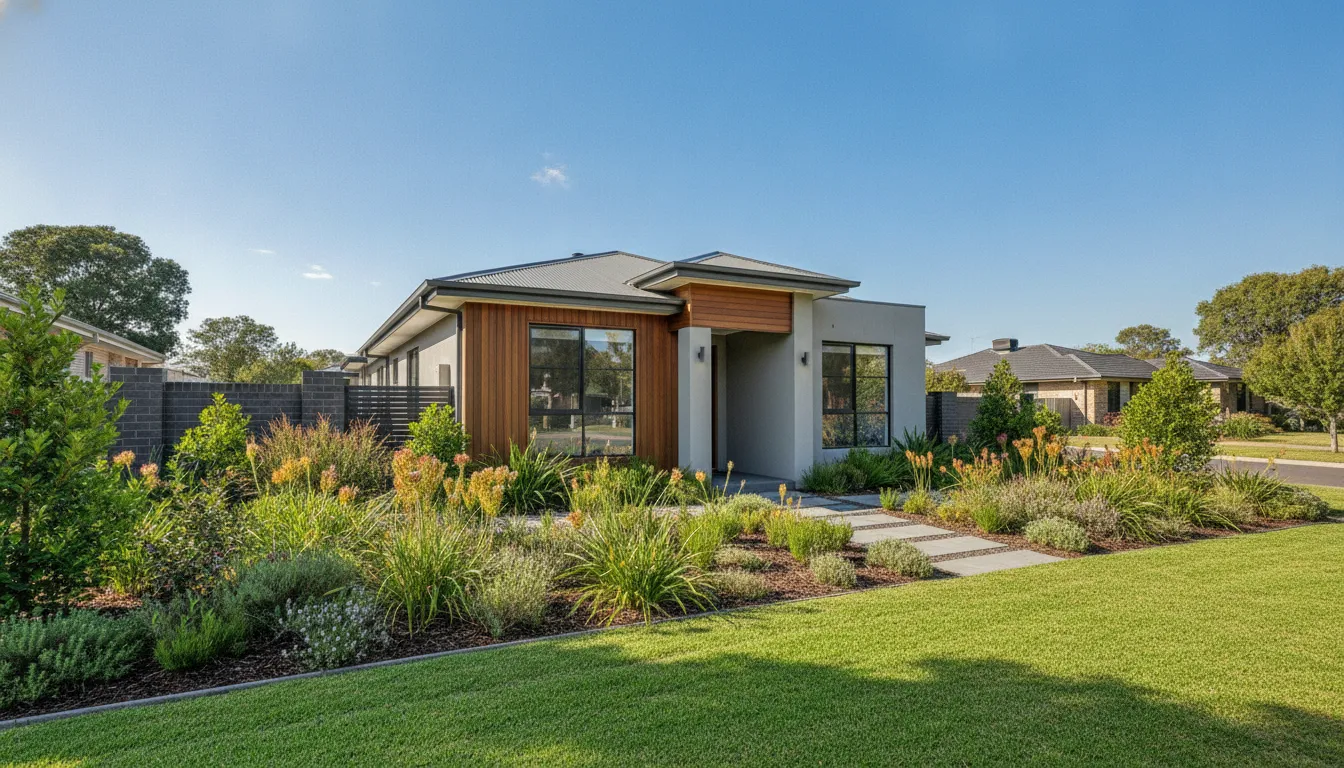
You can also start looking for properties yourself online using these Australian property websites:
What should you check before you buy a property?
Here is a quick list of important things to check before you start buying property in Australia as a foreigner:
- Eligibility and ATO approval: Make sure you are allowed to buy the type of property you want as a foreign national. Understand the process and fees for getting approval from the ATO.
- Property condition: Have detailed building and pest inspections done. This is very important to find out about any termite risks or structural damage.
- Risk areas: Check if the property is in a bushfire zone or another area with high risks.
- Legal status: It’s vital to confirm the legal and ownership status of the property before you agree to buy it. Your solicitor will need to do a thorough check of the land registry.
How to buy property in Australia as a foreigner - a step-by-step guide
Here’s a typical step-by-step guide for how to buy property in Australia non-resident:
1. Get your money ready
Before you do anything else, it’s very important to sort out your money. You need to decide how much you can spend, get a pre-approval for a mortgage if you need one, and clearly define what kind of property you are looking for. You might also want to open an Australian bank account to handle payments related to your mortgage and property purchase. This will make managing funds easier, especially if you’re trying to keep your financial life organized across borders, which is crucial when you’re looking into options like how to keep your Australian number working abroad or dealing with payments from your original home country.
2. Find a property and look at it
Now is the exciting part: start searching for your ideal home. You can use online property websites or work with local real estate agents to find properties. Once you find some you like, arrange to view them. Many property viewings in Australia are “open houses.” This means all interested buyers visit the property at the same time on a specific day, without needing to make a separate appointment.
3. Make an offer
After you’ve found the perfect home, you will need to make a good offer. If it’s a private sale, you will give your offer to the real estate agent or directly to the seller. It’s normal to negotiate on the price. You can make two types of offers:
- Conditional offer: This is a promise to buy, but only if certain conditions are met, such as getting a clear building report or a good valuation.
- Unconditional offer: This is a firm commitment to buy with no conditions.
Another option is to buy at an auction, where you will bid against other interested buyers.
4. Hire a solicitor
If your offer is accepted, you will move to the legal part of buying the property. At this stage, it’s wise to hire your own property lawyer. They will carefully check all documents and contracts. They will also do important checks to make sure the transaction is safe and correct. A good place to begin your search for a solicitor is the list of overseas property solicitors on the UK Government website.
5. Apply for ATO approval
This is when you must apply to the Australian Taxation Office (ATO) for permission to buy the property. It is very important to do this before you sign any contracts that commit you to buy the property. There is a fee for this application, and it can take several weeks for the approval to come through. You can find more information about this process on the ATO website, as mentioned earlier.
6. Sign the contract and pay the deposit
The next step is for both you and the seller to sign the contract of sale. You will also need to arrange to pay your deposit, which is usually 10% of the property price in Australia. Many Australian states and territories have a short cooling-off period after signing. During this time, you might want to talk to your mortgage provider to finalize the loan for your purchase. It’s also a good time to arrange for a building survey or inspection.
7. Get a building survey and pest report
It’s not required by law, but it’s a very good idea to hire a professional to inspect the building. This survey will point out any possible structural problems, electrical issues, or dampness. It will also highlight any repairs or maintenance that might be needed. You should also get a pest inspection to check for termites or other pest problems, which can cause serious damage in Australia.
8. Complete the settlement
Your conveyancer (a legal expert who handles property transfers), along with your lender and the seller, will work to finalize the settlement. This is the process of putting the property title into your name. A settlement date will be agreed upon. On this date, you will sign all final documents and transfer the remaining payment. Once these fees and taxes are settled (which we will look at soon), the purchase is complete! You will receive the keys to your new home and can begin your new life in Australia. Don’t forget to keep your various communication channels open; learning about things like what happens to your number when you move abroad can save you a lot of hassle.

How long does it take to buy property in Australia?
Generally, buying property in Australia takes about 4 to 6 weeks from the time you exchange contracts to the final settlement. However, for foreign buyers, the process can take longer. This is mainly because you need to get approval from the ATO, which can take around 30 days or even more. This extra step means you should plan for a longer timeline when you are thinking about how to buy property in Australia non-resident. More information on typical timelines can be found on Realestate.com.au.
What are the fees and costs of buying property in Australia?
When you are buying property in Australia as a foreigner, you will need to include several fees and taxes in your budget. Here are the main ones:
| Fee/Tax | Amount |
|---|---|
| Stamp Duty | Varies by state, around 3% to 4% |
| Foreign Buyer Surcharge | 7% to 9% of property value |
| Legal/Conveyancing Fees | $1,200 to $2,400 AUD |
| Building/Pest Inspections | $400 to $600 AUD |
| ATO Application Fee | $4,500 to $1.25 million AUD |
| Mortgage Costs | |
| Application Fee | $150 to $750 AUD |
| Valuation Fee | $100 to $300 AUD |
| Document Processing Fees | $100 to $600 AUD |
- Stamp Duty is a tax you pay when you buy a property. This amount changes depending on the state where you buy the property, usually falling between 3% and 4% of the property’s value.
- Foreign Buyer Surcharge is an additional tax for foreign purchasers. This can add another 7% to 9% to the stamp duty, making it a significant extra cost. You can calculate potential stamp duty using a Stamp Duty Calculator.
- Legal or Conveyancing Fees cover the costs of your lawyer or conveyancer, typically between $1,200 and $2,400 AUD.
- Building and Pest Inspections cost about $400 to $600 AUD.
- The ATO Application Fee for foreign investors can range dramatically, from $4,500 for properties under $1 million, all the way up to $1.25 million AUD for very expensive properties. This fee is essential to budget for. The Australian Taxation Office provides details on these fees.
If you are organizing your property purchase from the UK, you will need a secure and affordable way to send money for these fees, deposits, and other payments. Looking into options like best eSIM apps for UK travel expats can also help you manage communication costs during this period.

What are the taxes and fees for owning property?
Once you have bought your Australian property and paid all the initial costs, you will also have ongoing fees and taxes as a property owner. These include:
- Annual Land Tax: The amount of this tax varies by state. It is usually not charged for your main home (primary residence). Some states also charge an extra surcharge land tax for foreign owners.
- Personal Income Tax: If you rent out the property, you may need to pay personal income tax on the rental earnings, just like any other landlord.
What about loans and mortgages for non-residents?
Australian banks and other lenders do offer mortgages for non-residents and foreigners. However, the terms and conditions might be different compared to applying as a local resident. For example:
- Higher deposit: Some banks may ask foreign applicants for a deposit of 30% to 40%, which is much higher than the usual 20% required from local buyers.
- Higher interest rates: You might find that the interest rates for your mortgage are higher.
- More paperwork: Lenders may ask for more documents and proof, including showing your ATO approval.
What are the risks and pitfalls of buying property in Australia?
One of the biggest concerns when buying property abroad is avoiding scams. To protect yourself, it’s highly recommended to work with qualified and trustworthy professionals like real estate agents and solicitors. Always try to check for a license or membership in a professional body when you deal with any property experts, brokers, or agents.
The good news is that the Australian property industry is strictly regulated. This means there are rules in place to make buying and selling property safer. Real estate agents, in particular, must follow strict codes of conduct and ethical standards. This leads to clearer information, more transparency in the buying process, and a lower chance of dishonest transactions.
However, there are still some potential problems and risks to be aware of:
- FIRB and ATO regulations: As a foreign buyer, you must fully understand the rules from the Foreign Investment Review Board (FIRB) and the ATO. These rules state who can buy property in Australia and what types of property foreigners are allowed to purchase. Make sure you read all the information carefully before you start looking. The Australian Government provides detailed guidelines.
- Bushfire risk zones: Certain parts of Australia are known to be at high risk of bushfires. Properties in these zones might have higher insurance costs and stricter building rules.
- Termite risks: Termites are a major problem for many Australian homeowners and can cause serious damage to buildings. This is why it is so important to get a pest report before you buy.
- Unexpectedly high costs: Many states have extra surcharges on stamp duty or annual land tax for foreigners. These extra costs can come as a surprise if you haven’t planned for them in your budget.
Moving into your Australian property
Before you can get the keys to your new home, you’ll have a few final tasks to complete. This is similar to preparing for any big move, where getting your ducks in a row for things like moving abroad checklists can make a world of difference.
- Insurance: It is highly recommended to get a building insurance policy. This policy should start from your completion date. In fact, your mortgage lender might make it a mandatory condition of your loan offer.
- Setting up utilities: If you know your completion date, it’s a good idea to arrange essential services like heating, power, and water beforehand. Getting these set up early will help make your move-in process smoother.
- Energy efficiency upgrades: If you have bought an older Australian property, you might want to make it more energy efficient. This could involve improving the insulation, upgrading windows, or installing a new air conditioning system.
Key takeaways
- Foreign buyers are generally not allowed to purchase existing homes until March 2027. However, you can legally buy new properties in Australia, vacant land, or existing homes if you plan to redevelop them.
- You must apply for approval from the Australian Taxation Office (ATO) before signing any contract. This process involves a significant application fee, ranging from $4,500 for lower-value properties up to more than $1.25 million for very expensive ones.
- Beyond standard costs, foreign buyers face an additional Foreign Buyer Surcharge on Stamp Duty, typically between 7% and 9%. This effectively increases the tax burden compared to local residents.
- The Australian real estate market is currently strong, with house prices increasing for 13 consecutive months as of March 2026, and an 11% rise nationwide over the past year. This makes it a seller’s market.
- Mortgage for non-residents Australia requirements are stricter. Lenders often ask for a larger deposit of 30% to 40% and may apply higher interest rates. More paperwork is typically required than for residents.
- It is crucial to get both pest and building inspections done before the final settlement. These reports help identify structural problems or risks from termites and check if the property is in a bushfire risk zone.
Related reading
Sources
| # | Source | Website |
|---|---|---|
| 1 | ATO website | ato.gov.au |
| 2 | Property Update | propertyupdate.com.au |
| 3 | Property.com.au | property.com.au |
| 4 | Realestate.com.au | realestate.com.au |
| 5 | Propertybuyer.com.au | propertybuyer.com.au |
| 6 | Allhomes.com.au | allhomes.com.au |
| 7 | Domain.com.au | domain.com.au |
| 8 | list of overseas property solicitors on the UK Government website | find-a-professional-service-abroad.service.csd.fcdo.gov.uk |
| 9 | Realestate.com.au | realestate.com.au |
| 10 | Stamp Duty Calculator | stampduty.calculatorsaustralia.com.au |
| 11 | Australian Taxation Office | ato.gov.au |
| 12 | Australian Government | foreigninvestment.gov.au |