
Australian Property Due Diligence: A Buyer's Guide
Buying property in Australia requires thorough due diligence, including title searches, vendor statements, and building inspections. Learn the key steps, costs, and documents…


TL;DR: Buying property in Australia requires careful due diligence in Australia to check its physical, financial, and legal health. Key steps include a certificate of title search Australia, reviewing the vendor disclosure statement Australia, getting local council and planning certificates Australia, and thorough building and pest inspection reports Australia. These checks typically take 14 to 21 days after an offer is accepted and can cost between $1,900 and $3,600 AUD for legal and inspection fees.
Imagine you’re living abroad, perhaps in the UK or Germany, and dreaming of buying a sunny home in Australia. You might think about packing your bags, shipping your belongings, and how to keep your old phone number working—maybe you’re considering how to keep your UK number abroad or your German number abroad so friends and family can still reach you. But one of the most crucial steps, often overlooked until it’s too late, is making sure the property itself is exactly what you expect. Without proper checks, your dream home could hide expensive surprises, from hidden debts to severe structural damage. This guide will walk you through everything you need to know about property due diligence Australia to protect your investment.
When you buy a property, especially from a distance, you will often need to send large sums of money across international borders. It’s smart to look for services that provide good value for these international money transfers. Many individuals worldwide rely on such services to move vast amounts of money each quarter. Top providers usually offer clear and low fees, fair exchange rates (like the mid-market rate), and safe, trackable transfers. Some even offer dedicated support and better rates for large transfers. For example, when transferring a significant sum like £50,000, some services claim you could save a good amount compared to traditional banks. It’s always wise to compare options to manage your finances effectively when making such a large purchase from afar.

What Is Due Diligence in Property Sales?
Due diligence in property sales is a detailed process where a buyer investigates a property’s condition, including its physical state, financial background, and legal status, before committing to the purchase. This important step helps buyers understand exactly what they are buying.
The process typically involves several key checks:
- Title searches: These checks confirm who truly owns the property and ensure they have the legal right to sell it. They also uncover any existing claims or interests against the property.
- Checks for burdens or encumbrances: This involves looking for hidden debts, existing mortgages, special legal claims (caveats), rights for others to use parts of the land (easements), or rules about how the land can be used (covenants).
- Zoning and planning checks: These ensure that the buyer’s plans for using the land or building (for example, to build an extension or run a business) match local council rules and regulations.
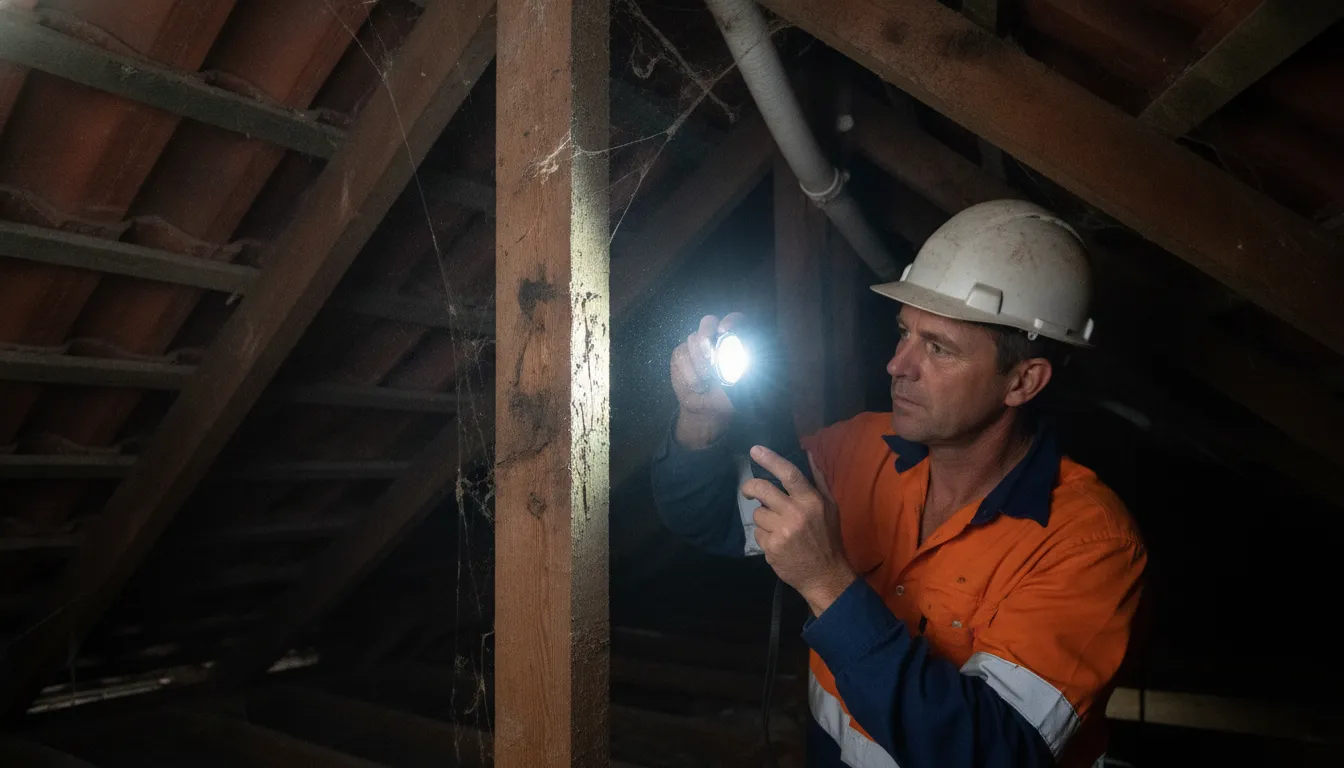
Usually, a buyer’s lawyer or a licensed property transfer specialist (conveyancer) handles this process. It often happens before any final contract is signed. In some cases, specialized building and pest inspections are also carried out. These inspections check the physical structure of the building, including the roof, plumbing, wiring, and whether there’s any timber damage from pests. Doing these checks beforehand can save the buyer from unexpected repair costs after the property sale is complete.
Why Is Due Diligence So Important for Buyers?
Due diligence for buyers in Australia is a crucial part of purchasing property because it helps buyers make smart, informed decisions. Without these checks, you might buy a property with hidden issues that could cost you a lot of money or cause legal problems later.
Here are the main reasons why due diligence is essential:
- Understand your purchase: It helps you know exactly what you are buying and decide if the asking price is fair for its actual condition.
- Spot problems early: It uncovers any physical flaws, pest problems, legal issues, limits on how you can use the land, or disagreements about property boundaries.
- Reveal extra costs: It highlights any additional costs you might face after buying, such as repairs or ongoing fees.
- Confirm ownership and debts: It verifies that the seller is the true legal owner and that there are no unknown debts, legal claims, or liens attached to the property title. This is vital when buying property while you might be focused on other aspects of moving, like making sure your Australian phone number is ready.
- Check local rules: It makes sure there are no local planning laws, heritage restrictions, or environmental risks that would prevent you from developing the property in the future.
- Meet foreign investment rules: For international buyers, it ensures you follow all foreign investment laws and reduce any risks related to them.
In simple terms, due diligence gives buyers all the information they need to feel confident and at peace with their property purchase.
What Key Documents Are Needed for Due Diligence in Australia?
When you are buying a property, particularly if you’re an international buyer considering moving to Australia, property registration rules vary slightly by state. However, across all Australian states, four main types of documents must be thoroughly checked and verified. According to VK Lawyers, understanding these documents is key to navigating property law in Australia.
These crucial document packages include:
- Certificate of title search: These are the official land registry details.
- Vendor disclosure statement: This document is known as a “Section 32” in Victoria or a “Contract for Sale” in New South Wales.
- Local council and authority certificates: These come from local government bodies.
- Building and pest inspection reports: These are independent assessments of the property’s condition.
Certificate of Title Search Australia
The certificate of title search Australia is an official record that clearly shows who the registered owner of the property is. It also reveals if there are any registered mortgages, legal claims (caveats), agreements (covenants), or rights for others to use parts of the land (easements) against the property.
This document can bring important issues to light, such as:
- Mismatched ownership: The person listed as the legal owner on the title might not be the same as the seller on your contract. This is a major red flag.
- Unpaid mortgages: Mortgages that the seller has not yet paid off or arranged to remove from the title.
- Caveats: Legal claims registered by other parties who believe they have a financial or legal interest in the property.
- Restrictive covenants: These are rules that limit what you can build on the land or how you can use it, which could affect your plans.
- Easements: These grant specific rights to utility companies (like for power lines or pipes) or even neighbours to access or use a certain part of your land.
Vendor Disclosure Statement Australia
Depending on the state, the seller is legally required to give specific information to the buyer before any contract is signed. This vendor disclosure statement Australia (also known as a “Section 32” in Victoria, as highlighted by Lardners) must also match what is found in the title search. It provides vital details that can impact your decision.
The statement can tell you about:
- Unpaid charges: Any unpaid local council rates, land taxes, or water bills, which could become your responsibility after the purchase.
- Owners corporation details: Information about any fees, rules (body corporate rules), and shared funds (liability reserves) if the property is part of a complex or apartment building.
- Building permits: Details of any building permits issued for the property over the last 7 to 10 years. This helps check if any building work was done legally.
- Outstanding orders: Any current notices or orders from government authorities regarding the land, which might require you to take specific actions or repairs.
Local Council and Planning Certificates Australia
These local council and planning certificates Australia are requested from local government bodies, water supply authorities, and environmental mapping registers. They confirm that the property follows local planning rules and can uncover potential problems.
These certificates can highlight issues such as:
- Zoning restrictions: Rules that specify what the land can be used for (e.g., residential, commercial) and limits on building height or density. This could stop you from building that extra storey you always wanted.
- Heritage overlays: Special rules that restrict your ability to knock down, change, or fix the outside of the property, especially if it’s considered historically important.
- Environmental hazards: Information showing if the property is located in an area prone to bushfires or a high-risk flood zone, which could affect your safety and insurance options.
- Compulsory acquisition notices: Warnings that state infrastructure projects (like new roads or public transport) might plan to take over part of the land in the future.
Building and Pest Inspection Reports Australia
These building and pest inspection reports Australia are independent checks that look at the structure of the property and search for any pest problems. They are crucial for understanding the physical condition of your potential new home.
These reports can show you:
- Major structural defects: Serious problems like movement in the foundation, severe dampness, or a sagging roof frame, which could be very expensive to fix.
- Unapproved changes: Any DIY renovations, such as carports or sheds, that were built without the necessary council permits. These might need to be removed or approved later.
- Safety hazards: Dangers like glass that doesn’t meet safety standards or old electrical switchboards that could be a fire risk.
What Happens When? Understanding the Due Diligence Timeline
In Australia, the exact timing for due diligence in Australia can vary from state to state. However, it typically takes place within 14 to 21 days after a contract of sale is signed by both the buyer and seller. This period is a critical window for buyers to complete all necessary investigations. According to Collings, this timeframe is usually agreed upon within the sale contract.
Here is a typical timeline for the due diligence process:
- Offer accepted: The seller agrees to your offer, and a contract of sale is signed.
- Checks ordered: Due diligence searches, along with building and pest inspections, are ordered and set in motion.
- Foreign buyer approval: If you are a foreign buyer, you will apply for approval from the Foreign Investment Review Board (FIRB).
- Legal review: Your lawyer or conveyancer carefully checks all disclosure documents, the property title, and the terms of the contract.
- Contract exchange: Once all due diligence checks are completed and you are satisfied with the findings, contracts are formally exchanged, and your initial deposit is paid.
It’s important to note that if you are buying a property at an auction, all due diligence checks, document reviews, and financing approvals must be finished before you place any bids. This is because auction sales are usually final and unconditional, meaning there is no “cooling-off” period after the auction to change your mind or conduct further checks.
How Much Does Due Diligence Cost in Australia?
The main cost for due diligence in Australia is the fees charged by your solicitor or conveyancer. These legal fees can range from $1,500 to $3,000 AUD. The exact price will depend on how complex the property transaction is and its location within Australia.
In addition to legal fees, combined building and pest inspections are an extra expense. These reports usually cost about $400 to $600 AUD. This price can change based on the size and age of the property, as well as its specific location in the state. According to Property Investment Professionals, these costs are standard for thorough checks.
It is very important to include these costs in your overall budget when you are planning to buy property in Australia, especially if you are purchasing from overseas.
| Service | Estimated Cost (AUD) |
|---|---|
| Solicitor/Conveyancer Fees | $1,500 - $3,000 |
| Building and Pest Inspections | $400 - $600 |
| Total Estimated Due Diligence Costs | $1,900 - $3,600 (approx.) |
Do I Need a Solicitor for Due Diligence in Australia?
Yes, when buying or selling property in Australia, it is generally expected that both the buyer and the seller will hire their own legal representatives. The real estate agent usually works for the seller to protect their interests. Therefore, as a buyer, you typically need your own legal expert to look over all legal documents and carry out the necessary searches and checks. This is a critical step in due diligence for buyers in Australia.
A professional conveyancer or solicitor plays a vital role. They can:
- Make sure the property title is accurate.
- Find any hidden debts or legal responsibilities related to the property.
- Help you follow state land tax rules.
- Handle the requirements of the Foreign Investment Review Board (FIRB) if you are an international buyer.
- Manage the final payment and transfer through Australia’s electronic property exchange network.
While paying for professional legal support might seem like an extra cost, it can save you a lot of time and stress. More importantly, it can help you avoid costly legal disputes, fines for not following rules, or the huge expense of buying a property that has serious hidden problems. Investing in expert legal help is a smart way to protect your significant investment.

What Are Common Problems Found During Due Diligence in Australia?
During the pre-purchase checks, several common problems due diligence Australia often uncovers. Being aware of these issues can help you understand why these checks are so important and what to look out for.
Some of the most frequent issues discovered include:
- Structural timber damage or active pest infestations: This could mean problems like termite damage or rotting wood, which can be very expensive to fix.
- Unapproved building works or structural additions: These are renovations like extensions or sheds built without the proper council permits. You might have to remove them or get them approved, which can be costly.
- Missing or unclear boundary descriptions: This can lead to disputes with neighbours about where your property ends and theirs begins.
- Undisclosed easements or utility mains: These are hidden rights for others (like utility companies) to use parts of your land, or main pipes/cables running directly under areas where you might plan to build.
- High bushfire or flood risks: Properties in these areas might limit your home insurance options or make them very expensive.
- Foreign Investment Review Board (FIRB) restrictions or unexpected foreign buyer surcharge taxes: For international buyers, there might be unexpected rules or extra taxes that could affect your purchase. This is an important detail for anyone considering moving to Australia or buying property from abroad.
As you plan your property purchase, understanding and preparing for these potential issues can save you from significant stress and financial setbacks. Getting thorough property due diligence Australia done correctly helps you secure your investment and enjoy your new home.
Related reading
Sources
| # | Source | Website |
|---|---|---|
| 1 | VK Lawyers | vklawyers.com.au |
| 2 | Lardners | lardners.au |
| 3 | Collings | collings.com.au |
| 4 | Property Investment Professionals | propertyinvestmentprofessionals.com.au |