How to Pay a French Hospital Bill: GHIC & Expats Guide
Unexpected medical bills in France? Learn how UK visitors with a GHIC get refunds and how expats manage healthcare costs with a Carte Vitale. Your guide to French hospital bills.


TL;DR: When you need to pay a French hospital bill, visitors with a GHIC usually pay upfront and get 70-80% of costs refunded later, though some fees like a daily €20 hospital stay charge still apply. French residents with a Carte Vitale also get 70-80% of their costs covered, often directly paid by the state for hospital stays.
Imagine you’re enjoying the French Alps or exploring a quaint village, and suddenly, an unexpected accident or illness lands you in a hospital. Not only is this stressful, but it immediately raises a big question: how do I pay a French hospital bill when I’m far from home? For many expats and travellers, dealing with foreign healthcare costs can feel overwhelming, especially when trying to keep your life and finances stable across borders. Knowing these details upfront brings peace of mind, whether you’re moving to France from the UK or just visiting. This guide helps you understand the cost of French healthcare and how to manage paying French medical bills easily.
Who Pays for Hospital Visits in France?
Most people visiting a hospital in France will need to pay for their healthcare. This applies whether you are living in France as an expat or just there for a short visit as a tourist. Knowing how to navigate this system is key to managing your finances effectively. However, a significant part of the cost of French healthcare is often covered if you are a UK resident with a Global Health Insurance Card (GHIC). Expats who are part of the French healthcare system also get support with their paying French medical bills.
How Do I Pay a French Hospital Bill with a GHIC Card?
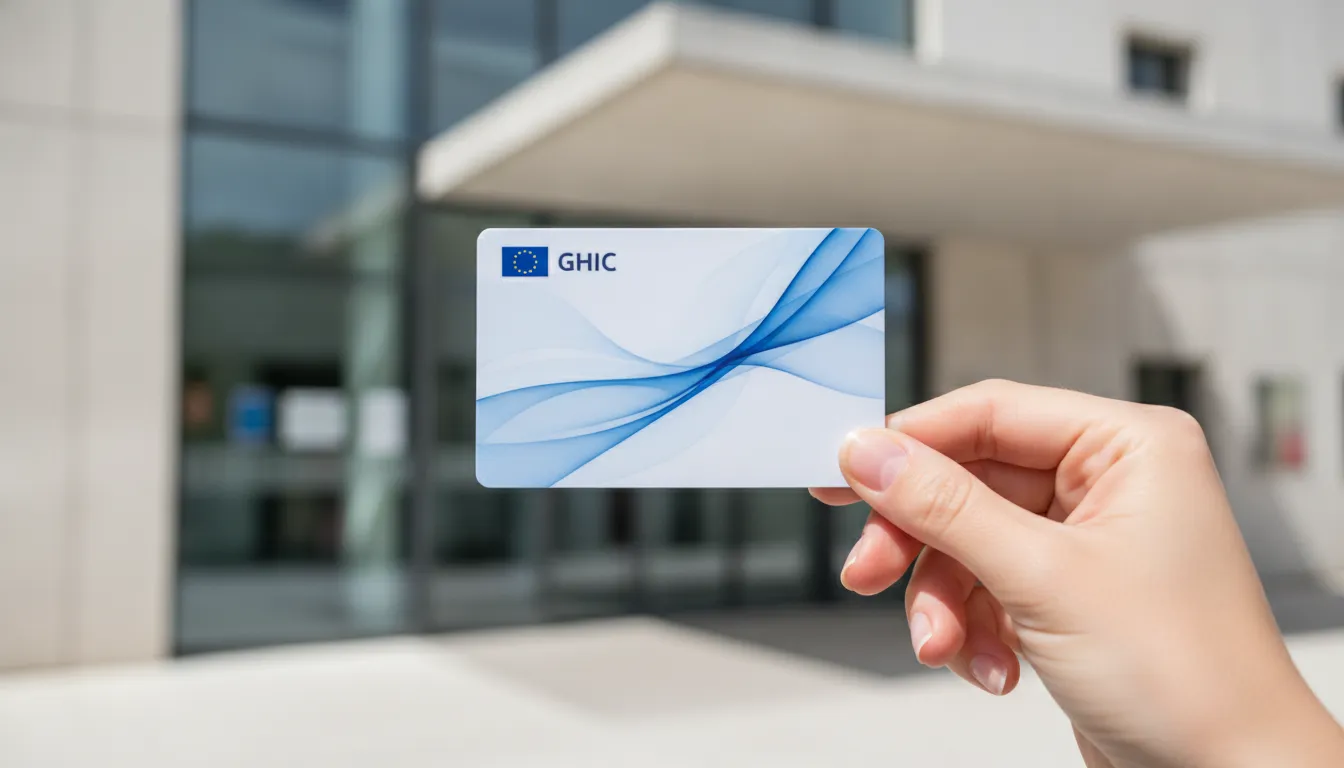
If you have a GHIC, you will generally need to pay a French hospital bill yourself first. After paying, you can then apply to get your money back. It is very important to show your GHIC when you arrive at the hospital. You must also collect a “feuille de soins” (treatment form) as this document is essential for getting your French hospital bill refund.
What Exactly is a GHIC?
The Global Health Insurance Card, or GHIC, allows UK residents to get necessary state healthcare in countries within the European Economic Area (EEA) and certain other nations. You receive care on the same terms as a local person in that country. In France, this means you will get discounted rates on your medical treatment. This GHIC French hospital bill discount makes healthcare much more manageable. Applying for a GHIC from the NHS is free. This card acts as a vital link to accessing state medical help without facing unexpected full charges.
What Healthcare Does the GHIC Cover?
The GHIC is for necessary, unplanned medical care. This includes unforeseen events like accidents and emergencies, which are common concerns for anyone travelling. It also covers long-term health problems and conditions you already have, ensuring ongoing care is available. Routine care during pregnancy is also included, as long as you did not travel abroad just to give birth.
If you are planning to travel to France specifically for medical treatment, you will need special approval. You will also need an S2 certificate to get a refund for these costs. You can find more details about this “Planned Treatment Scheme” on the NHS website.
How to Get a GHIC Refund on a French Hospital Bill
Here are the steps to follow to pay your hospital bill and get money back using your GHIC:
- Show your GHIC: Present your card when you are checked into the hospital.
- Ask for a treatment form: Request a “feuille de soins” (treatment form) before you leave.
- Pay the bill: Settle your French hospital bill when you are discharged.
- Keep all papers: Hold onto your receipt and any other documents you receive, such as medical reports. These papers are vital for proving your costs.
- Apply for a refund: You can do this in one of two ways:
- Contact the local Caisse Primaire d’Assurance-Maladie (CPAM) office at the hospital.
- Apply through the NHS Overseas Healthcare Services once you are back in the UK.
Do I Need Travel Insurance if I Have a GHIC?
Yes, it is always a good idea to have travel insurance, even if you carry a GHIC. Travel insurance French hospital bill coverage can help with many costs that your GHIC does not cover. These extra costs include:
- Standard patient payments that the state does not refund
- Medical treatments that are not urgent
- Care from private hospitals or doctors
- Rescue services, such as for skiing or mountain accidents, which is very important if you plan to visit the French Alps.
- Repatriation, which means the cost of getting you back to the UK if you are too sick to travel home normally.
Also, if you are not a citizen of the UK, EU, or EEA and need a French Schengen visa, you will be required to have travel insurance. You can read more about travel essentials for expats, including how to pick the best eSIM app for your trip, which also helps you stay connected and safe abroad.
How Do I Claim a French Hospital Bill on Travel Insurance?
The exact way to claim depends on your specific insurance plan. However, these are the usual steps you will need to take:
- Tell your insurer: Contact your insurance company as soon as you are admitted to the hospital or receive treatment.
- Keep documents: Make sure to keep copies of all your hospital bills and medical reports.
- Pay upfront: You will likely need to pay the hospital first.
- Submit a claim: Complete an insurance claims form and attach all your evidence.
Remember that all travel insurance French hospital bill policies have limits on what they will pay and certain things they do not cover. Always read the fine print of your policy carefully before you travel.
Can I Use a GHIC if I Move to France?
No, if you move to France from the UK, you generally cannot use a GHIC for your French healthcare for expats. The GHIC is mostly meant for short trips, like holidays or business travel. However, there are a few special cases. For example, you might be able to use your GHIC if you are a student in France or if your UK employer has sent you to work there. This is an important detail for those planning to keep their UK number abroad while residing in France. According to Gov.uk, most long-term residents will need to join the French social security system to get their healthcare covered. Understanding this distinction is crucial for French healthcare for expats.
How Do French Residents Pay a French Hospital Bill?
The French healthcare for expats who are residents works differently. The French healthcare system typically covers about 70-80% of most medical costs for people who have a Carte Vitale. A Carte Vitale is the national health insurance card. Often, residents will pay for their medical care first and then get a refund for the state’s portion within a few days. However, if you are admitted to a hospital, the state usually pays the hospital directly. This system is called “tiers payant,” and it significantly reduces the immediate financial burden on the patient.
It is also common for residents to buy extra private health insurance, called “mutuelle” insurance. This insurance helps cover the remaining 20-30% of costs that the state does not pay. With mutuelle insurance, you might also pay upfront and receive a refund later.
Who Can Get a Carte Vitale?
Most people can apply for a Carte Vitale French hospital bill after living in France for three months. This includes individuals who have a French long-stay visa or a French residence permit. If you usually get a UK state pension, you might have the right to free healthcare as a British pensioner living in France. This ensures that even those planning to keep their Australian number abroad (as a general example of an expat from a non-UK country) would follow similar residency rules to get coverage in France, highlighting the importance of formal registration.
How Much are Doctor and Hospital Bills in France?
Understanding the cost of French healthcare is important for both visitors and residents. The table below gives an idea of typical medical costs in France and how much you can expect to get back with a GHIC or a Carte Vitale. These figures are based on standard rates, though actual costs can vary. According to Ameli.fr, typical reimbursement rates are around 70%.
| Type of Care | Typical Cost | Typical Refund (GHIC/Carte Vitale) | What You Expect to Pay (after refund) |
|---|---|---|---|
| Doctor Consultation | €30 | 70% refund, minus a €2 fixed fee | Around €9 |
| Dentist Consultation | €23 | 60% refund | Around €9.20 |
| Emergency Visit (no hospital stay) | €19.61 or less | Not applicable (often paid in full) | €19.61 or less |
| Hospital Stay (state or approved hospital) | Varies | 80% then 100% after 30 days, minus daily fees* | Varies |
*For hospital stays, you will pay a daily fee of €20 for accommodation. There is also a €24 fee for some specific procedures. For example, a stay in intensive care can cost up to €3,000 per day. If you stay for 30 days in intensive care, your personal cost could be as high as €17,400 (this is the remaining 20% of the cost for the first 30 days, plus the daily fees).

What’s the Best Way to Pay a French Hospital Bill in Euros?
When it comes time to settle your French hospital bill, you will typically need to pay French hospital bill euros. You have several choices for sending this money:
- Bank SWIFT transfer: These are often slow and can be expensive. Banks might add hidden fees or use less favorable exchange rates, causing the amount you send to be less than what the hospital receives. This means you end up paying French medical bills with extra, hidden costs. This is a common issue when managing finances internationally, as discussed in guides like avoiding non-sterling transaction fees.
- Credit or debit card: Using your card can be convenient at the hospital. However, many cards charge foreign transaction fees or use their own exchange rates, which can add hidden costs to your paying French medical bills. Always check with your bank before using your card for a large payment in euros.
- International money transfer services: These services can often give you better exchange rates, lower fees, and quicker transfers. They are designed for sending money across borders efficiently, offering transparent pricing. This can be a big help when you need to pay French hospital bill euros quickly and without unnecessary charges, ensuring the full amount reaches the hospital.
Common Questions About Paying a French Hospital Bill
Still have questions about how to pay a French hospital bill? Here are answers to some frequently asked questions.
Do I Need to Pay a French Hospital Bill Upfront?
Yes, visitors to France will often need to pay for their healthcare upfront. However, you can usually claim a French hospital bill refund later. This refund can come from your GHIC (Global Health Insurance Card), an EHIC (European Health Insurance Card) if it’s still valid, or your travel insurance. Keeping good records of your spending, including all receipts and forms, is important for anyone living or travelling abroad, as discussed in moving abroad checklists, to ensure you can claim back eligible costs.
What’s the Easiest Way to Pay a French Hospital Bill in Euros?
Using international money transfer services is usually the fastest and cheapest way to send money from pounds to euros. These services can complete transfers in seconds, which is much quicker than bank SWIFT transfers that can take 4-5 days. This speed and lower cost make them a smart choice for paying French medical bills quickly, giving you peace of mind that your payment will arrive on time.
Is Healthcare Free in France with a GHIC?
No, healthcare is not free in France with a GHIC. Your GHIC gives you access to necessary healthcare at the same price that French residents pay. This typically means you will still need to pay around 20-30% of the total cost yourself.
Can I Still Use a European Health Insurance Card (EHIC)?
The GHIC replaced the EHIC after Brexit. If you have a valid EHIC, you can continue to use it until its expiry date. After it expires, you will need to apply for a GHIC. You can only apply for a new EHIC if you have specific rights under the Withdrawal Agreement. You can find more details about applying for healthcare cover abroad and how to transition from an EHIC to a GHIC on the NHS website. This information is key for understanding your rights to French healthcare for visitors.
Sources
| # | Source | Website |
|---|---|---|
| 1 | NHS | nhs.uk |
| 2 | NHS website | nhs.uk |
| 3 | NHS Overseas Healthcare Services | nhsbsa.nhs.uk |
| 4 | Gov.uk | gov.uk |
| 5 | Ameli.fr | ameli.fr |