
Renting a Home in France: An Easy Guide for UK Expats
A comprehensive guide for UK expats looking to rent a home in France, covering average costs, the rental process, types of properties, and how to find them.


Renting a Home in France: An Easy Guide for UK Expats
TL;DR: For those looking to rent in France, expect a one-bedroom apartment in a city center to cost around €756 each month. If you need more space, a three-bedroom apartment averages about €1,410 monthly. Renting outside the main city areas can help you save between €150 and €300. In Paris, however, a one-bedroom apartment in the city center can easily go for over €1,400, while a three-bedroom might be close to €3,000 per month. Finding a place often involves preparing documents and acting quickly.
When you’re settling into a new country like France, the thought of finding a new home can feel like a huge task. It’s not just about picking a nice flat; it’s about making sure your life stays connected and manageable, especially if you split your time between France and the UK. Imagine finding your dream apartment in a charming French city, but then facing hurdles because you can’t easily handle local calls or set up direct debits with your existing UK phone number or bank account. Many expats discover that keeping their home phone number active while living abroad is a smart move, especially when dealing with essential services like viewing properties or signing rental contracts. This guide will walk you through the rental process in France, making it simpler for UK citizens and other expats to secure their ideal living space.

Can a UK citizen rent property in France?
Yes, UK citizens, along with other people moving from different countries, can rent property in France. Many people choose to rent first, as this gives them time to get used to their new surroundings and settle in. While it is possible for people from the UK to buy property in France too, renting is a common first step.
Can you rent a flat in France without a residence permit?
It is generally possible to rent a flat in France even if you don’t have a residence permit yet, as there is no specific law that stops this. However, landlords often ask for proof that you have the legal right to live in France, especially for longer rental periods. This proof might be a residence permit or a long-stay visa. Because of this, it can be hard to find a place to rent without showing such documents, particularly for long-term leases. According to Cautioneo, landlords are not forbidden from renting to people without a residence permit, but they usually prefer tenants with clear legal status.
How does the rental process work in France?
The process of renting a home in France usually starts with looking for a property. You can do this online or by using special letting agents. Once you find a place you like, you will get in touch with the agent or landlord to set up a time to see it. If you decide you want to apply for the property, you’ll need to put together a special file, called a dossier, which contains all your personal and financial papers.
After your application is accepted, you will need to sign a rental contract. You will also pay a security deposit. A key step is to get rental insurance, which is a legal requirement in France. This insurance protects you and the property during your stay. For a smooth move, a moving abroad checklist can be very helpful to keep track of all these steps.
How do I find a property to rent in France?
When you are looking for a place to rent in France, you have two main options: searching on online property websites or working with letting agents. Online sites list many short-term and long-term rentals, giving you lots of choices. Letting agents, also called agences immobilières, can be very helpful. They can guide you through the paperwork and explain local laws, which is especially useful if you are new to the country. Good rental properties can be taken quickly, so it’s a good idea to have all your documents ready and act fast when you find a place you like.
Letting and rental agents
Letting agents, known in France as agences immobilières, work as a link between landlords and people who want to rent. They help with showing properties, checking documents, and signing contracts. This can be a big help for people who are new to France and not familiar with the local system.
When you choose a rental agent in France, make sure they belong to one of the three main professional groups. These are the Federation Nationale de l’Immobilier (FNAIM), Syndicat National des Professionels Immobiliers (SPI), and Union Nationale de la Propriete Immobiliere (UNPI). While agents offer a lot of support, renting through them can sometimes cost more over time. This is because agents charge landlords a monthly fee to manage the property, and this cost is often passed on to the tenant.
Agent fees are usually shared between the landlord and the tenant. However, in some cases, the landlord might pay the entire fee. These fees are usually limited by law and change depending on the size of the property and where it is located. Here are some well-known real estate agencies in France:
Online property sites
There are many popular websites where you can look for rental homes in France. These sites let you browse at your own speed and can help you save money on agent fees, and sometimes even on the rent itself. You can find a wide range of properties listed on these platforms.
Some popular online platforms for finding rental properties include:
These websites are great tools for anyone wanting to find a home in France on their own.
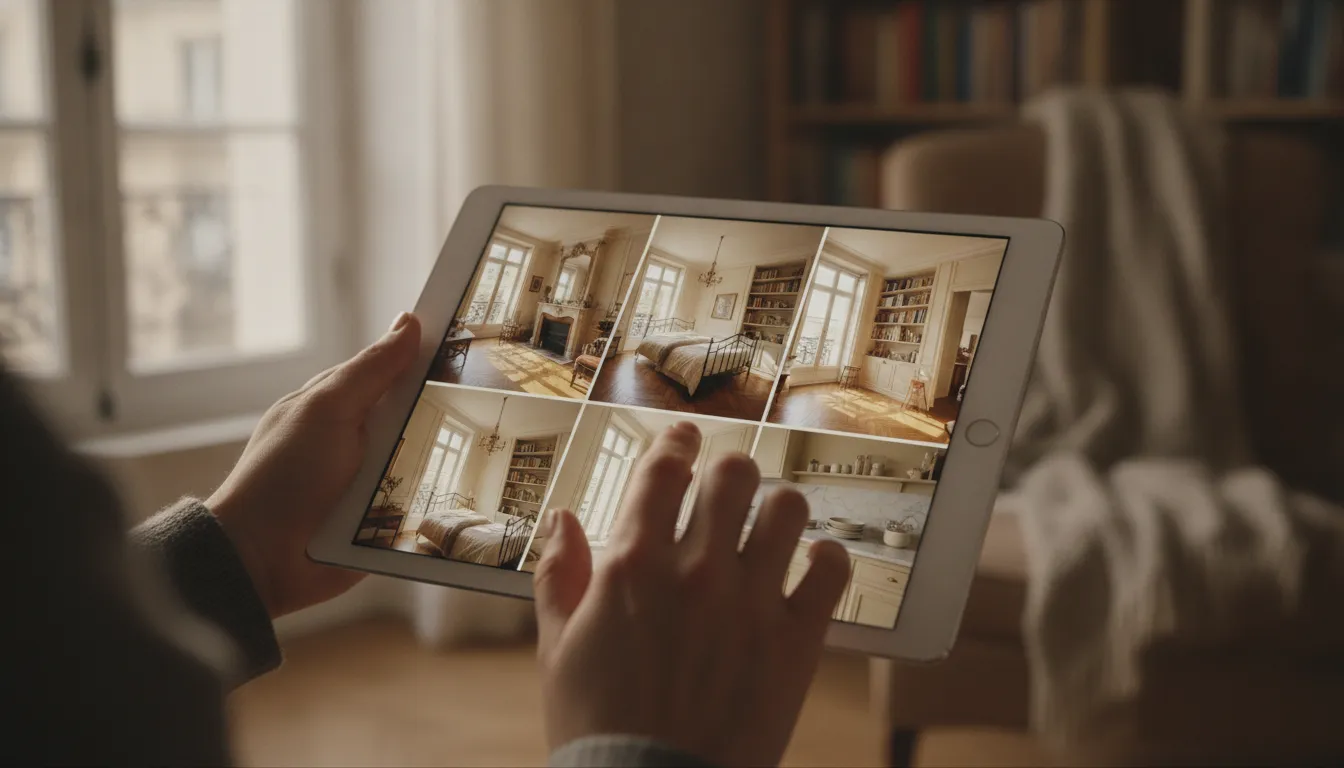
What types of property can you rent in France?
France offers many different kinds of rental properties. They suit various needs and budgets. You can find houses, apartments, holiday rentals, student homes, and shared flats. Let’s look at each type to see who they might be best for.
Houses
If you are looking to rent a house in France, you will hear different local names for them. Houses are called maisons and can be detached (standing alone), semi-detached (joined to one other house), or terraced (joined in a row). Living in a house is great for families or anyone who needs more space and prefers a quieter place away from the city buzz.
Common types of houses found in the countryside or suburbs of France include:
- Bastide: A stone house in the countryside, usually standing alone.
- Domaine: A house that comes with a lot of land.
- Ferme: A farmhouse located in the countryside.
- Pavillon: The French term for a bungalow, a single-story house.
- Mas: A traditional farmhouse style, often found in the Provence region.
Apartments
Apartments are the most common type of rental property in French cities. For long-term leases, apartments are often unfurnished, meaning you’ll need to bring your own furniture. Furnished apartments usually come with a one-year lease. Apartments that are smaller than 40 square meters are generally considered small. Those larger than 100 square meters are listed as big apartments.
Renting an apartment in France is a good choice for people who want to live in the city. It means you are close to public transport, shops, and everything you need for daily life. It also comes with fewer responsibilities compared to looking after a whole house.
Holiday rentals
Holiday rentals are a popular option for shorter stays. They are also ideal for expats who have just arrived in France and are still trying to settle down. These rentals offer more space and comfort than a hotel. They are perfect for anyone visiting for a limited time, whether for tourism or while looking for a long-term home.
You can find holiday rentals in cities, along the coast, and in rural areas across France. They provide flexibility and a home-like feel during your temporary stay.
Student accommodation
Student housing in France includes several options. These are university residences, private student homes, and shared flats close to campuses. University halls are usually the cheapest choice. However, they fill up quickly, especially in bigger cities like Paris or Lyon. If you are moving abroad for your studies, you might also be interested in what happens to your phone number when you move abroad.
Here are some places where you can look for student accommodation and get information on how to apply:
- Centre National des Oeuvres Universitaires et Scolaires (CNOUS) - etudiant.gouv.fr
- Association for Economic Development and Accommodation of Students (ADELE) - adele.org
- Center for Student Accommodation in France (CLEF) - logetudes.com
- Residences Estudines - estudines.com
Flatshares
Renting a room in a shared flat is a common way to lower housing costs, especially among students. It’s also an excellent way to meet new people, which can be very helpful if you have just moved to France.
If you decide to flatshare, make sure your name is clearly written on the main rental contract. Sometimes, rooms are sublet to others. This is legal, but it offers less protection for the new tenant. If you are moving into a sublet, ask for a simple written agreement. This document should include important details like the rent amount and how much notice you need to give before moving out.
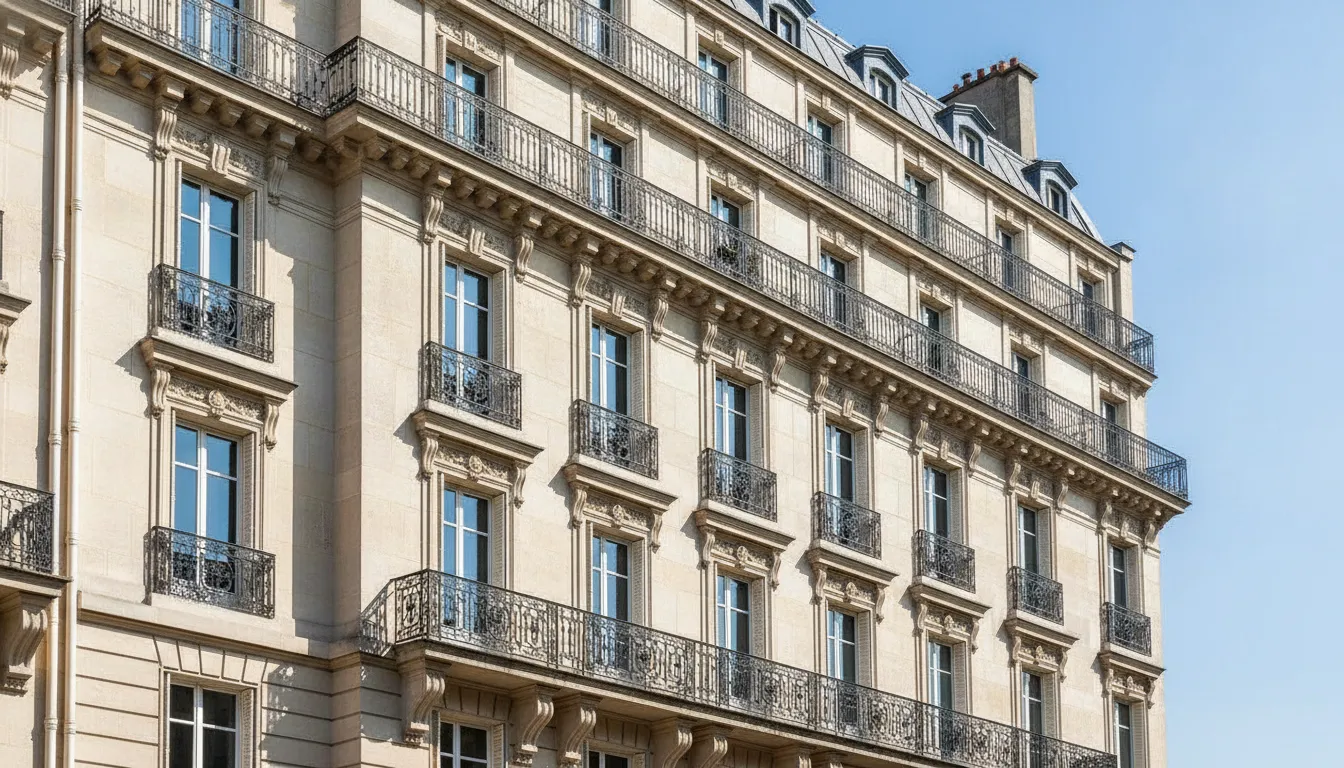
How much is rent in France?
The cost of renting in France changes a lot depending on where you are and how nice the property is. For instance, a one-bedroom apartment in a city center typically costs about €756 per month. A three-bedroom apartment in the same area costs around €1,410 on average. If you choose to live outside the city center, you could save between €150 and €300 each month, depending on the neighbourhood. According to Numbeo, the cost of living in France, including rent, is generally lower than in the United Kingdom.
Rent prices are much higher in large cities. In Paris, for example, the average monthly rent for a one-bedroom apartment in the city center is more than €1,400. A three-bedroom apartment in central Paris typically costs close to €3,000.
Here’s a comparison of average monthly rents in different parts of France:
| Property Type | Inside City Centre (Average) | Outside City Centre (Average) |
|---|---|---|
| 1-Bedroom Apartment | €756 | €596 |
| 3-Bedroom Apartment | €1,410 | €1,093 |
These figures are averages and can vary greatly by specific city and neighborhood.
Knowing these costs upfront can help you plan your budget when looking for a home in France.
Utilities, internet, and other costs when renting in France
When you rent a property in France, you will usually be responsible for several extra expenses on top of your rent. These often include utilities like electricity, gas, and water, as well as internet service. For an 85 square meter apartment in France, utilities typically cost around €185 per month. However, prices for some services might be higher in bigger cities.
You can choose your electricity and gas provider. EDF and Engie are two of the most popular choices for energy. Water supply in France is managed at a local level, so you cannot choose your water provider. If you need to find out who your water supplier is, you can contact your local council. For more details on setting up utilities, Expatica provides helpful information.
Another regular monthly cost to plan for is an internet connection. This generally costs about €30 per month on average. You might get a discount if you choose a package that includes cable TV and streaming services. Some of the most popular internet providers in France include Bouygues Telecom, Coriolis, Free, and Orange. Keeping your UK number active can be very helpful for setting up these services initially, especially if you haven’t fully settled your French phone services yet. Expats might also compare options like eSIMs vs physical SIMs for connectivity.
Besides utilities, tenants must also pay for renter’s insurance. This usually costs between €10 and €30 each month. Your monthly charges might also include fees for services like elevator upkeep and rubbish collection. According to Service-public.gouv.fr, rental insurance is mandatory for tenants in France.
Paying for bills and rent in France
In France, you can pay your rent and bills in different ways. Common methods include setting up direct debits or making bank transfers. Opening a bank account in France is a good idea as it lets you put money in euros and make payments easily within the country.
In some situations, you might be able to keep your UK bank account and use it to send money internationally. However, some banks might charge fees or offer less favourable exchange rates for these kinds of transfers. When you’re managing your finances while abroad, understanding payment options like non-sterling transaction fees is key.

What documents do I need to rent in France?
When you are renting in France, you will need to prepare a dossier de location. This is a file of supporting documents for your rental application. Having these ready is crucial for a smooth application process.
The typical documents you will need to include are:
- Proof of identity: This usually means a passport. You will also need a visa or residence permit, if applicable, to show your legal right to stay in France.
- Proof of address: This could be a recent utility bill or another document that shows where you currently live.
- Proof of financial stability: Landlords want to know you can afford the rent. This can include your payslips, bank statements, or tax returns.
- Guarantor or tenant guarantee: Sometimes, a landlord might ask for a guarantor. This is someone who promises to pay your rent if you cannot. There are also official tenant guarantee schemes you can use.
- References from former landlords: These show that you have been a good tenant in the past.
- Relevé d’Identité Bancaire (RIB): This is proof of a French bank account, which is often needed for setting up rent payments.
If some of your documents are not in French, you might be asked to provide a translation. It’s best to check this beforehand to avoid delays. Having all these papers organized helps speed up the rental process in France.
Rental agreements and tenancy contracts in France
A rental agreement, called a contrat de bail in France, must be signed by the time your lease starts. If you are renting through an agency, you will sign the contract with the agency, not directly with the landlord. This contract is a very important document that outlines your rights and responsibilities.
The tenancy contract should always include several key documents. These are an energy performance certificate, a report on the property’s condition, and an inventory of everything inside the home. The contract must also clearly state the rent amount, the security deposit amount, detailed information about the property, and how long the lease will last.
Usually, the agreement renews automatically unless you or the landlord gives notice to end it. This notice must be given in writing. It should be sent by registered letter, delivered by a bailiff, or handed over in person.
Tenant laws and rights in France
France has strong laws that protect tenants. Once you sign a lease, you get certain rights. For example, your landlord must give you proper notice before coming to inspect the property or to do repairs. Your landlord also cannot tell you to end your lease until there are six months or less remaining on your agreement. This provides tenants with stability.
The rent for a property can be increased once a year. However, this increase cannot be more than the change in benchmark rents, which are officially published by INSEE (the national statistics office). In some popular areas where rent is controlled, tenants have the right to ask for a review if they believe their rent is too high. Knowing your rights is important, just like knowing how to get a mortgage in Italy if you decide to buy a home later.
How to apply for a property to rent in France
Here is a step-by-step guide to help you apply for and successfully rent a property in France:
- Search listings or hire an agent: Start by looking for properties online or find a local letting agent (agence immobilière) who can help you.
- Prepare your dossier: Gather all the necessary documents for your rental application file (dossier de location). This includes identity proof, financial documents, and references.
- Book viewings: Once you find properties you like, contact the agent or landlord to arrange visits.
- Send in your application: After viewing a property and deciding it’s the right fit, submit your complete dossier to the landlord or agent.
- Agree on the rental terms: If your application is accepted, you will discuss and agree on the final terms of the rental with the landlord or agency.
- Sign the tenancy contract: Read the contrat de bail carefully and sign it. This officially starts your rental agreement.
- Pay the deposit and first month’s rent: You will need to pay the security deposit (caution/dépôt de garantie) and the first month’s rent as agreed in the contract.
What things should I consider when looking for a place to rent?
When you are looking for a place to rent in France, it is important to think about several factors to make sure you choose the right home for your needs. Carefully considering these points can help you avoid problems later on.
Keep the following things in mind during your search:
- Proximity to your work, public transport, schools, and other amenities: Think about how close the property is to places you need to go regularly.
- Whether utilities are included in the rent: Find out if costs like electricity, gas, and water are part of your monthly rent or if you need to pay for them separately.
- Whether repairs are needed: Check the property for any damage or repairs that might be necessary before you move in.
- Heating costs and insulation quality: In colder months, good insulation can save you money on heating bills. Ask about the property’s energy performance.
- Noise levels in the area: Visit the property at different times of the day to get an idea of how noisy the neighbourhood is.
- Accessibility: Consider if the property is easy to access, especially if you have specific needs or rely on public transport.
- Pet policy: If you have pets, always check if the landlord allows them before you apply.
- Tenant insurance fees: Remember to budget for the mandatory tenant insurance, which is a monthly cost.
Tips for successfully renting in France
Renting a home in a new country can be challenging, but with some good advice, you can make the rental process in France much smoother. Here are some key tips to help you succeed:
- Use reliable property websites and rental agencies: Stick to well-known online platforms and professional letting agents (agences immobilières) to find legitimate listings.
- Visit the property in person before deciding: Always see the apartment or house yourself. Photos online can sometimes be misleading, and a personal visit helps you check the actual condition and surroundings.
- Speak with the locals about the noise levels: Ask people living nearby about common noise issues in the area. This can give you a clearer picture than just visiting during the day.
- Read the contract carefully: Go through every part of the rental agreement (contrat de bail) before you sign it. If you don’t understand something, ask for an explanation or get help from someone who speaks French.
- Document the property’s condition when you move in and out: Take detailed photos or videos of the property when you move in. Do the same when you move out. This helps protect your security deposit and prevents disagreements about damages.
- Keep records of all payments: Make sure you have proof of every rent payment, deposit, and utility bill you pay. This is important for your financial records and for resolving any payment issues.

What’s the best city to rent in France?
When considering the best cities to rent in France, several places stand out for different reasons, offering varied lifestyles and rental costs. Here are some popular cities to think about:
Paris
Paris is often seen as the global center for art and culture, but it’s also a major hub for business and education. Even though it’s a huge city, Paris has excellent public transport, making it easy to get around without a car. Living in central Paris comes with a high price tag; a one-bedroom apartment usually rents for around €1,400 per month. However, you can save about €400 if you choose to live in one of the outer districts, known as arrondissements. According to Numbeo, central Paris rent is significantly higher than in many other European cities.
Bordeaux
Bordeaux is famous for its fine wine, beautiful old buildings, and warm climate. It offers a good mix of culture, job opportunities, and a relaxed way of life. A one-bedroom apartment in the center of Bordeaux typically rents for an average of €750, which makes it a more affordable option compared to Paris.
Lyon
Lyon is known for its high quality of life, rich cultural past, and rents that are more affordable than in Paris. The city has great transport links to the rest of France and Europe. It also has a large student population, which gives Lyon a lively, youthful atmosphere. The average rent for a one-bedroom apartment in the city center is about €800. If you are considering a move for studies or work, exploring options like best eSIMs for digital nomads might be helpful for staying connected right away.
Helpful terms related to renting in French
Looking for a rental in France can feel challenging, especially if you are not completely fluent in French. To help make the process easier, here are some important terms you should know when you are searching for an apartment or house.
| French Term | English Meaning |
|---|---|
| Meublé | Furnished |
| Non meublé | Unfurnished |
| Une location | A property for rent |
| Caution/Dépôt de garantie | Deposit |
| Contrat de bail | Lease agreement |
| L’état des lieux | Inventory and condition report |
| Propriétaire | Landlord |
| Appartement | Apartment |
| Préavis de départ | Lease termination notice |
| Charges comprises | Utilities included |
Learning these key terms will help you understand property listings and discussions during your rental search in France.
Related reading
Sources
| # | Source | Website |
|---|---|---|
| 1 | Cautioneo | cautioneo.com |
| 2 | Orpi | orpi.com |
| 3 | Laforêt Immobilier | laforet.com |
| 4 | Nestenn | nestenn.com |
| 5 | Century 21 | century21.fr |
| 6 | Square Habitat | squarehabitat.fr |
| 7 | Le Bon Coin | leboncoin.fr |
| 8 | PAP | pap.fr |
| 9 | SeLoger | seloger.com |
| 10 | Logic-Immo | logic-immo.com |
| 11 | etudiant.gouv.fr | etudiant.gouv.fr |
| 12 | adele.org | adele.org |
| 13 | logetudes.com | logetudes.com |
| 14 | estudines.com | estudines.com |
| 15 | Numbeo | numbeo.com |
| 16 | Expatica | expatica.com |
| 17 | Service-public.gouv.fr | service-public.gouv.fr |
| 18 | Numbeo | numbeo.com |