
Moving to India from UK: The Complete Expat Guide
British citizens moving to India from the UK? This guide covers visas, cost of living, jobs, healthcare, and how to retire to India. Plan your smooth transition.


TL;DR: Moving to India from the UK is possible for British citizens with the right visa, which often lasts 1 to 5 years. You must register with local authorities within 14 days of arrival. Compared to the UK, the cost of living in India is much lower: rent can be over 500% cheaper, and groceries cost 144% less. While there’s no specific retirement visa, you can retire to India from UK through a special investment program.
Deciding to move your life to another country, especially one as vibrant and diverse as India, is a huge step. Many British citizens make this move every year, facing exciting new cultures and opportunities. However, one common concern is how to stay connected to home and manage your life across two different countries, especially when it comes to keeping your finances organized and your important contacts reachable. This guide will walk you through everything you need to know about moving to India from the UK, from visas and healthcare for expats in India to finding a job in India British citizens and understanding the cost of living in India, so you can plan a smooth transition and maintain those vital connections.
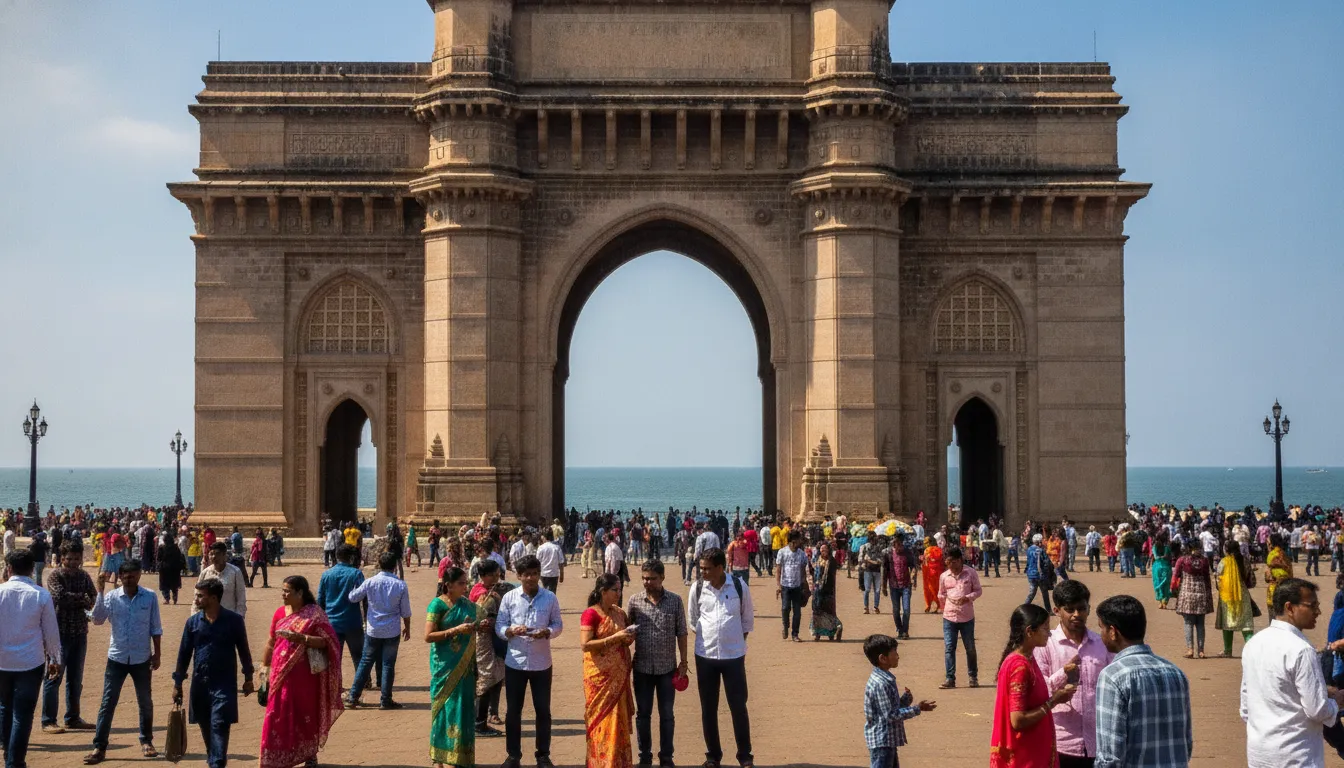

Can British Citizens Move to India from the UK?
Yes, British citizens can absolutely move to India from the UK. However, you must meet certain official requirements and provide all the necessary documents on time. The process involves several important steps, which we will explain in detail to help you understand how to make your move to India from the UK successful.
What Are the Requirements and India Visa Requirements for UK Citizens?
For British citizens, you will need a visa to enter and stay in India for any extended period. The exact documents you must provide will change based on the type of visa you are applying for. It is important to check the specific requirements for your chosen visa category.
Here is a general list of the main documents you might need:
- A passport that is still valid for your travel.
- An approved visa for India.
- A valid address in India where you plan to live.
- A copy of your work agreement or job offer, if you are moving for employment.
- Proof that you have been accepted by an educational institution, if you are
studying in India international students. - Evidence that you have enough money to support yourself during your stay.
How Long Can a British Citizen Stay in India?
As a British citizen, you can live in India for the period that your visa permits. Visa lengths vary greatly depending on the type you hold. In some cases, you might even be able to apply for Indian citizenship later on. However, if you choose to become an Indian citizen, you would generally need to give up your UK passport, as India does not typically allow dual citizenship, except for Overseas Citizens of India (OCI) cardholders.
How Can You Move to India from the UK?
There are several main reasons why people choose to move to India, such as for education or to find work. If you plan on working in India, there are clear steps you should follow to make sure your move goes smoothly.
1. Research the Job Market
Before you commit to moving to India from the UK, it is wise to research average salaries across different industries in India. You should also find out which jobs and skills are in high demand. This initial research will greatly improve your chances of getting a job offer and securing the right visa. If you are thinking about applying for a Business visa, explore possibilities for making investments or even starting your own business in India.
2. Get a Job and Prepare Your Documents
Once you have done your research, try to secure a job in India and sign an employment contract. This signed contract is a key document that will allow you to apply for an Employment visa. You will need this along with other paperwork required for your visa application process.
3. Find a Place to Live
While you are waiting for your work permit to be approved, you can start looking for a place to live in India. You can search for homes using online property listings. Another option is to contact a real estate agent who can offer professional help in finding suitable accommodation.
4. Check Healthcare and Banks
Take some time to look into private healthcare choices in India and see what medical facilities are available in the area where you plan to live. You should also explore different Indian banks and international bank accounts to see if any offer online applications or services that suit your needs. Remember to consider how you will manage your money and keep up with any financial ties you have in the UK.
5. Understand Customs Rules Before Packing
Before you start packing your belongings, it is very important to check India’s customs and import rules. This will help you avoid bringing any banned items or going over the limits for duty-free goods. Knowing these rules in advance will prevent any problems when you arrive.
6. Think About a Moving Company
It’s a good idea to pack all your important documents and valuable personal items yourself. For everything else, you might want to hire a professional moving company. They can handle the packing and transport of your belongings, making the process of moving to India from the UK much easier.

Moving to India with Pets: What You Need to Know
If you plan to bring your pet with you when moving to India from the UK, they must meet specific requirements. These include having certain vaccinations, a microchip for identification, and an import permit. It is very important to be aware that India has rules about certain dog breeds. Some breeds, such as Pitbulls, Japanese Tosa, and Rottweilers, are not allowed to be imported into India, according to The Economic Times. You should always double-check if this list has changed before you travel. For more help with health and paperwork standards, it’s a good idea to contact the Animal and Plant Health Agency (APHA) in the UK and the Animal Quarantine and Certification Service in India. Pet Relocation offers more guidance on this process.
India Visa Requirements for UK Citizens and Residency Permits
All UK citizens need a visa to enter India, unless they hold an Overseas Citizen of India (OCI) card. There are many different types of visas, but those who plan moving to India from the UK for a longer stay usually choose one of these main categories:
- Employment visa: For those who have a job offer in India.
- Business visa: For individuals involved in business activities or investments.
- Study visa: For students accepted into an Indian educational program.
Other common visas include the medical visa and the tourist visa, but these are not suitable for people who want to live in India permanently. Visas generally allow you to stay for a period ranging from one to five years, depending on the type.
For example, an Employment visa is valid for either one year or for the length of your work contract. You can get this visa if you are a highly skilled professional with an annual income of at least USD 25,000. Business visas, on the other hand, can be issued for up to five years, but they usually only let you stay in India for six months at a time.
One way to get permanent residency in India is through the Foreign Direct Investment (FDI) program. If you invest a sum between 10 and 25 million rupees and create 20 jobs in India, you could be granted permanent residency for 10 years.
How to Apply for Residency in India
If you are moving to India from the UK on a long-term visa, you must register with the closest Foreigner’s Regional Registration Office (FRO) within 14 days of your arrival. Once you are registered, you will receive your residential permit. This permit will be valid for the same amount of time as your visa.
How to Renew Your Residency Permit
You can renew your residency permit by visiting a Foreigner’s Regional Registration Office. It is important to do this two months before your current permit is due to expire. This ensures you can continue living legally in India without any breaks in your residency status.

How Can You Retire to India from UK?
India does not have a specific retirement visa, which means it is usually only straightforward to retire to India from UK if you have Indian family connections or ancestry. However, British citizens can still retire in India through the Permanent Residency by Investment program.
To be eligible for this program, you need to invest at least 10 million rupees within the first 18 months of your stay, and then a total of at least 25 million rupees within the first three years. Your investment must also lead to the creation of at least 20 jobs for Indian residents each year.
Once you meet these requirements, you will be given permanent residency for 10 years. This can be renewed for another 10 years afterward. Your husband or wife and any dependent children will also be able to get permanent residency under this program.
If you successfully retire to India from UK, you can continue to claim your UK state pension while living there. Your pension can be paid into a UK bank account or an Indian bank account. If it’s paid into an Indian account, you will receive the money in the local currency. You can choose how often you get paid, usually every 4 to 13 weeks. For the most current information, it is best to contact the International Pension Centre directly. More details about state pensions abroad are available on Gov.uk.
Key Facts About Living in India
Here are some important facts you should know about India if you are thinking about moving to India from the UK:
- Currency: Indian Rupee (INR)
- Main Languages: While Hindi is widely spoken, India has many official languages, including Bengali, Marathi, Telugu, and Tamil. English is also commonly used in business and education.
- Population: India is a very populous country, with over 1.45 billion people currently living there, according to Worldometers.
- Number of British Expats: Around 32,000 British expats call India home, as reported by Forth Capital. This shows it’s a popular choice for those
moving to India from the UK.
Popular Expat Destinations India for British Citizens
British expats often prefer to live in India’s larger cities. These include major hubs like New Delhi, Kolkata, Bangalore, and Mumbai. These cities offer more job opportunities, modern amenities, and larger expat communities. In some neighborhoods, you can even find special gated communities that are designed specifically for foreigners, providing a sense of security and familiarity. These areas are popular expat destinations India for those looking for a comfortable lifestyle.
What is the Cost of Living in India?
Overall, the cost of living in India is much, much lower compared to the UK. While prices can vary from city to city, looking at average costs across India gives a good idea of how much you could save when moving to India from the UK.
Here’s a comparison of some average monthly costs:
| Cost Item | Average Cost in UK (GBP) | Average Cost in India (GBP) | India is Cheaper By |
|---|---|---|---|
| Rent (1-bedroom city apt) | £1,000 - £1,500 | £160 - £350 | Over 500% |
| Groceries | £200 - £300 | £80 - £120 | 144% |
| Restaurant Meals (Mid-range) | £50 - £100 | £15 - £30 | Almost 300% |
| Monthly Transport Pass | £60 - £100 | £6 - £10 | Ten times |
| Basic Utilities (Monthly) | £294 | £32 | Over 800% |
Note: These are approximate averages based on general comparisons.
As you can see, rent is significantly more expensive in the UK, often over 500% higher than in India. Groceries also cost about 144% more back home. Restaurant prices in the UK are nearly 300% higher. Even a monthly public transportation pass in India costs only about a tenth of the price you would pay in the UK.
When it comes to the cost of renting property in India or buying apartments, they are between 270% and 570% more expensive in the UK. Utilities are also a small fraction of the price. On average, basic monthly utility bills in the UK come to about £294, but in India, they are only around £32, according to Numbeo. This stark difference in expenses makes moving to India from the UK a financially attractive option for many. You can also explore our cost of living in the UK guide for a detailed comparison.

Opening Indian Bank Account for British Expats
After moving to India from the UK, one of the first things you should do is open a bank account in India. This is essential for paying your rent and other daily expenses, as well as for receiving your salary. Some of the largest and most well-known banks in India include HDFC Bank, ICICI Bank, and Kotak Mahindra Bank.
Most banks will ask for a similar set of key documents to open an account. These typically include your passport, your Aadhaar Card (a unique identification number), and a recent utility bill as proof of address. You might also be asked for your Permanent Account Number (PAN) card, which is a unique identification number for tax purposes. More on opening Indian bank account for expats is available from B2B Pay.
As a non-resident, you have a few types of bank accounts you can open in India. These include a Non-Resident External (NRE) account, a Non-Resident Ordinary (NRO) account, and a Foreign Currency Non-Resident (FCNR) account. Each type has different rules regarding currency and how you can transfer money.
Whether you can keep your existing UK bank account after moving to India from the UK depends on your specific bank. For example, some banks, like Barclays, will close your account once you move to live abroad permanently. If you plan to keep your UK number, explore options like our UK guide to keeping your number abroad.
Renting Property in India and Buying Homes
As a UK citizen, you can renting property in India or even buy property there, but only if you become a legal resident. To be considered a resident, you must spend at least 182 days in the country each year and officially obtain legal residence status.
It’s important to know that foreigners are not allowed to own certain types of property in India. This includes agricultural land, farmhouses, or plantation properties. The process of buying property and handling all the legal steps afterward can be quite complex. Because of this, it is highly recommended to get professional help, such as from a lawyer, when looking to buy property, according to Lawyer India. If you are looking to buy property abroad, you might find our guide to buying property in Australia useful for general tips, even though the rules vary by country.
If you are looking to rent a home, here are some popular websites where you can search for apartments and houses:
Healthcare for Expats in India
India has a system of universal healthcare, but the quality and availability of healthcare services can differ from one state to another. While the public healthcare sector can sometimes be very busy and overwhelmed, India’s private healthcare system is known worldwide for its high standards. In fact, it attracts a large number of people who travel to India specifically for medical treatment. Traditional medicine is also a significant part of healthcare for expats in India. Practices and systems like Ayurveda, Siddha, and Unani are very popular and widely used across the country.
Before moving to India from the UK, it is a very good idea to check if you have had all the necessary vaccines. This helps protect you from common illnesses in India and ensures you start your new life in good health.
Do You Need Health Insurance?
It is strongly recommended that expats get private health insurance while living in India. With private insurance, you will generally receive better care and conditions. You also won’t have to wait as long to get medical attention. The cost of public health insurance changes based on your age and marital status. Private insurance is more expensive, but it is still much more affordable than private health insurance in the UK, as noted by MSH International.
Finding English-Speaking Medical Staff
Whether you can easily find English-speaking doctors and medical staff in India often depends on where you live. In larger cities and private hospitals, it is more common to find staff who speak English. Emergency operators usually speak English, but this is not always guaranteed. In public hospitals in more rural areas, medical staff often speak only local languages. Because of this, investing in private insurance could be a very smart choice, as private facilities are more likely to have English-speaking professionals.
Rules for Medicines and Prescriptions
You should always contact the Indian Embassy to get the most up-to-date information on whether certain medications are banned in India. For extra caution, always carry your medication in its original packaging. It is also a good practice to keep it in your hand luggage when travelling. India is the world’s largest supplier of affordable generic medicines, so you will find a wide range of medications available at lower prices. However, always make sure to buy your medicines from a trusted and reputable pharmacy.
Finding a Job in India for British Citizens
British citizens can work in India if they get the correct visa, such as an Employment visa. A Business visa is another option, but it is not for long-term or permanent employment. This visa is good for doing business-related activities and making investments, including using the permanent residency by investment scheme. This makes finding a job in India a key step for many expats.
The average salary in India is between 15,000 and 20,000 INR per month. However, this amount changes a lot based on the industry you work in, the city you live in, your age, and other factors. People in their early twenties typically have the lowest average salaries, while those in the 35-44 age group generally earn the most.
Some of the highest-paid jobs include software engineers, financial analysts, and marketing managers. For example, software engineers can earn over 116,000 INR per month, according to Paytm. This shows that finding a job in India British citizens can lead to good earning potential in specific sectors.
Studying in India as an International Student
India is becoming an increasingly popular place for international students. This is due to its high-quality education programs that often come at an affordable cost. With hundreds of universities and many scholarship chances, India offers an excellent choice for those seeking good education without high expenses. This makes studying in India international students a very attractive option.
Some Indian universities are ranked among the best in the world. These include the Indian Institute of Technology in Bombay and the Indian Institute of Technology in Delhi. Tuition fees can vary depending on the university and the program you choose. However, for foreign students, fees usually range from 250,000 INR to 550,000 INR per year.
Besides the standard student visa, students can also apply for a provisional visa. This visa gives them six months to explore different study options in India. If you haven’t chosen a program yet, you can do so after you arrive and then apply for a full student visa at a Foreigners Registration Office.

Conclusion
Making the move to India from the UK is an exciting journey that requires careful planning and understanding of local rules. Here are the main points to remember for a successful relocation:
- British citizens need a visa to enter India, unless they already have an Overseas Citizen of India (OCI) card.
- The most common ways for
moving to India from the UKare through an Employment visa or a Student visa. - Once you arrive in India, you must register at a Foreigner’s Regional Registration Office (FRO) within fourteen days.
- India does not have a specific visa for retirement, but there is a Permanent Residency by Investment program that allows British citizens to
retire to India from UK. - You must be a legal resident in India to
renting property in Indiaor to buy a home there. - India has universal public healthcare, but it is highly recommended that
healthcare for expats in Indiaincludes private health insurance for better services and shorter waiting times. - The
cost of living in Indiais significantly lower compared to what you would find in the UK, making it an affordable destination for many.
Related reading
Sources
| # | Source | Website |
|---|---|---|
| 1 | The Economic Times | economictimes.indiatimes.com |
| 2 | Pet Relocation | petrelocation.com |
| 3 | International Pension Centre | gov.uk |
| 4 | Gov.uk | gov.uk |
| 5 | Worldometers | worldometers.info |
| 6 | Forth Capital | forthcapital.com |
| 7 | Numbeo | numbeo.com |
| 8 | B2B Pay | b2bpay.co |
| 9 | Barclays | barclays.co.uk |
| 10 | Lawyer India | lawyer-india.com |
| 11 | 99acres | 99acres.com |
| 12 | Magicbricks | magicbricks.com |
| 13 | NoBroker | nobroker.in |
| 14 | Sulekha | sulekha.com |
| 15 | MSH International | msh-intl.com |
| 16 | Paytm | paytm.com |