
Keep Your UK Number When Moving to Europe in 2026
Moving to Europe from the UK in 2026? Understand visa rules, financial steps, and how to keep your UK mobile number active as an expat. Essential guide for British citizens.


Keeping Your UK Number While Moving to Europe in 2026: A Full Guide
TL;DR: Moving to Europe from the UK in 2026 means UK citizens need a long-stay visa or residence permit for stays longer than 90 days in any 180-day period. Requirements vary by country and reason, but generally include a valid passport and health insurance. Many expats choose countries like Spain or France for lifestyle or work. You will need to apply for a visa before you move. If you want to keep your UK mobile number working easily and reliably while living abroad, explore services that let you port or manage your existing number.
Moving from the UK to Europe can feel like a big step, especially after recent changes. Many British people dream of new adventures, better job chances, or simply a sunnier life just a short flight away. But figuring out how to make this move happen can be tricky, from understanding visa rules to setting up your new life, and even keeping your old phone number connected. For instance, did you know that British citizens are now treated like non-EU citizens for long-term stays? This means getting permission to live there is now a must for anyone staying longer than a short holiday. Let’s make sure you know all the practical steps involved in starting your new life abroad while keeping important connections like your phone number.


Can British Citizens Move to Europe from the UK?
Yes, British citizens can still move to Europe from the UK, but the process has changed. Since the UK left the European Union, people from the UK are now seen as non-EU citizens. This means you must follow the immigration rules of the specific European country you want to move to.
For short trips, UK citizens can visit most EU countries without a visa for up to 90 days within any 180-day period. This is useful for holidays. However, if you plan to live in an EU country, you must apply for the correct visa or a permit to live there. Countries outside the EU, like Switzerland, Norway, and Iceland, have their own separate rules for UK citizens wanting to move there.
What Are the Requirements to Move to Europe from the UK?
The things you need to move to Europe from the UK depend on which country you choose and why you are moving. As a UK citizen, you will usually need permission to live in your chosen country before you arrive.
Common requirements often include:
- A passport that is still valid.
- A special visa for long stays or a residence permit.
- Documents that show why you are moving (like a job offer or university acceptance).
- Health insurance.
- Sometimes, a certificate showing you have no criminal record.
For example, if you are moving to Europe for work, you might need a job offer from a company in that country. A student will typically need proof that a school or university has accepted them. Some countries also need your documents to be translated into their language. Always check the exact rules before you apply.
How Long Can a British Citizen Live in Europe?
The time a British citizen can live in Europe depends on the country and the type of visa they get. For short visits, UK citizens can travel to many European countries without a visa. But the rules can be different for each place.
In countries that are part of the Schengen Area, British passport holders can usually stay for up to 90 days within any 180-day period. This is for tourism or other short activities. This rule does not let you live, work, or study there for a long time [1].
If you plan to stay in a European country for longer than this short period, you will need to apply for the right visa or residence permit. After living in a European country for several years, you might be able to apply to live there permanently. Remember that Europe includes both EU countries and non-EU countries. The rules for UK citizens can be very different between these two groups of countries. If you are looking to understand more about living permanently abroad, you might find our moving abroad checklist UK relocation guide helpful.
How to Move to Europe from the UK
Moving to Europe involves several steps, from picking your new home to sorting out your money. The exact process changes a bit depending on the country. However, the main steps are usually the same.
Choose Where You Want to Live
First, decide which European country fits your life and goals best. Think about things like how much it costs to live there, if there are jobs, and the weather. Many British expats choose Spain, France, Italy, and Germany. But the best choice will depend on what you want [2].
Choose Your Reason for Moving
Your reason for moving will tell you which path to follow. British expats move to Europe for many reasons. These include new job chances, a lower cost of living, or simply to enjoy a different climate [2]. Once you have decided, you can focus on the practical steps. This could mean finding a job, applying to a university, or getting your money ready.
Prepare the Necessary Documents
Once you know what kind of visa you need, you must gather all the required papers. You will always need a valid passport and a visa application form. Other documents will depend on the country and the type of visa you are getting.
Apply for Your Visa
You will usually need to send your application through the embassy or consulate of the country you plan to move to.
Arrange Your Move and Hire a Moving Company
Before you leave the UK, you need to sort out practical things for your move. This includes hiring a moving company and finding somewhere to live. For help with the whole process, see our moving abroad checklist final month.
Read Customs and Imports Rules Before Packing
Before you pack your belongings, take time to check the customs and import rules for your new country. What you need to do can change based on where you are going. For example, if you are moving household goods to an EU country, customs might ask for a list of everything in your shipment [3].
Complete Your Post-Arrival Essentials
After you arrive, you will have more things to do. This might include opening a local bank account, signing up for healthcare, buying a local SIM card, and learning the local language. Don’t forget to think about how you will manage your phone number. Services exist to help you keep your UK number abroad, ensuring friends and family can always reach you.
Moving to Europe with Pets
If you plan on moving to Europe with pets from UK, you must meet the entry rules of your destination country before you travel. For example, if you are moving to an EU country, your pet must have a microchip, be vaccinated against rabies, and have a valid Animal Health Certificate (AHC). A vet must also check and certify your pet for travel before you leave the UK [4].
What Visas and Residence Permits Do I Need for Europe?
The visa rules for moving to Europe from the UK depend on the country you pick, as each European country has its own immigration system.
Some common reasons people get visas in the EU are for:
- Highly skilled jobs.
- Workers moving within the same company.
- Researchers.
- Students.
- People doing training or volunteer work [5].
How Do I Apply for Residency in Europe?
Some countries require you to sign up with the local government when you arrive and apply to live there. For example, if you are moving to Belgium, you must register with the local town hall where you plan to live within eight days [6].
How Do I Renew My Residency in Europe?
When you renew your residency, you will usually need to show that you still meet the rules of your visa or residence permit. The exact papers and conditions will depend on what type of residency you have and the country you are living in.
Financial Checklist for Moving to Europe
Before moving to Europe from the UK, it is important to plan for the different costs of your move.
These costs can include:
- Fees for your visa and residency.
- Costs for moving your belongings and shipping them.
- Money for travel.
- Costs for moving your pets.
- Rent and a security deposit for your new home.
- Healthcare and insurance.
- Classes to learn the local language.
- Money saved for emergencies.
Living in Europe - Key Facts for British Citizens
Here are some key facts about Europe to know before you move:
- Money used: The Euro (EUR) is used in the Eurozone.
- Main languages: English, Spanish, French, German, and many others.
- Total number of people: Europe has around 743,662,210 people [7].
- Number of British expats: About 1.3 million British people live in the EU [8].
Popular Cities and Locations for Expats
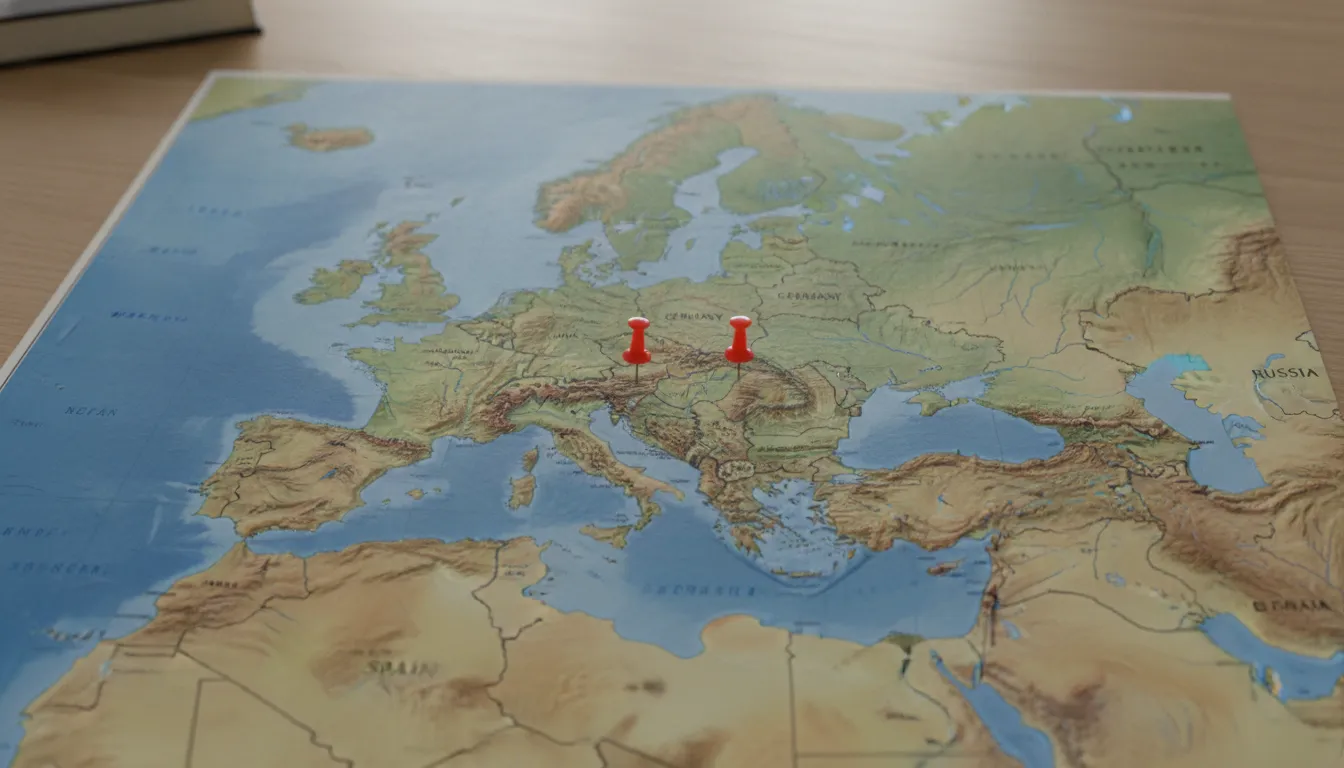
The European countries that attract the most UK expats are Spain, France, Italy, and Germany. British people who are retiring also often choose Portugal and countries in south-east Europe [2].
Look at our cost of living information below to see which city in Europe might be best for you.
Cost of Living in Europe - How Much Money Do You Need to Move to Europe?
The cost of living in Europe changes a lot depending on the country and city you pick. Generally, countries in Northern and Western Europe are more expensive than many places in Central, Eastern, and Southern Europe.
Rent prices vary greatly. A one-bedroom flat can cost around €550 in Bulgaria, but over €2,500 in Switzerland. Switzerland also has the highest prices for food. Electricity is most expensive in Germany. A monthly public transport pass costs over €100 in Ireland, but only about €13 in Romania [9].
Here is a table comparing some costs across different European countries:
| Category | Bulgaria | Romania | France | Germany | Ireland | Switzerland |
|---|---|---|---|---|---|---|
| 1-bedroom rent (monthly) | ~€550 | N/A | N/A | N/A | N/A | >€2,500 |
| Groceries | Lower | Lower | Medium | Medium | High | Highest |
| Electricity | Lower | Lower | Medium | Most Exp. | High | High |
| Public Transport (monthly) | N/A | ~€13 | N/A | N/A | >€100 | N/A |
Note: Data from EURES [9]. “N/A” means data was not specified in the source for that category/country.
As you can see, places like Switzerland have very high costs, especially for rent and groceries. In contrast, Eastern European countries like Romania offer much lower prices for things like public transport. Knowing these differences will help you plan your budget.
Opening a European Bank Account
Opening a European bank account can make it easier to pay rent, get your salary, and manage everyday spending. The rules are different in each country, but banks will usually ask for a valid passport or ID and proof of where you live. If you want to open an account before you move, online banks might be a good choice.
Whether you can keep your UK bank account after moving abroad depends on your bank. For example, Barclays will close both your current and savings accounts once you move overseas [10]. This highlights the need to plan your banking carefully.
Renting and Buying Property in Europe
You can rent or buy property as a UK citizen if you follow the rules of the country you are moving to. For example, UK citizens can buy property in Spain. However, owning a home does not automatically give you the right to live there permanently [11].
Renting rules vary between countries. Landlords often ask for proof of who you are, how much money you earn, and your residency status. The rights of people renting are well protected in many European countries. But these rules differ from place to place. For example, in Belgium, landlords usually need to give a six-month notice period to end a regular long-term rental agreement [12].
Healthcare in Europe for British Citizens
Your healthcare rights will usually depend on your residency status, whether you have a job, and the healthcare system of the country, not just your nationality. Some countries pay for healthcare mostly through taxes. Others use health insurance plans. For instance, Spain and Sweden mainly use tax money for healthcare. Germany, France, and the Netherlands rely more on mandatory health insurance [13].
Health Insurance
Before moving to Europe from the UK, UK citizens should check how they will get healthcare in their chosen country. A GHIC or EHIC card can cover necessary medical care during short stays in some countries. But it is not enough for full health insurance when you move abroad for good [14].
English-speaking Doctors and Medical Staff
Finding doctors who speak English is usually easier in bigger cities and places where many expats live. Countries like Spain, Germany, and the Netherlands have many healthcare providers who offer services in English. However, this can change from one region to another. In smaller towns and country areas, doctors are less likely to speak English, so appointments might be in the local language.
Medication and Prescription Requirements and Restrictions
When you are moving to Europe from the UK, check the rules for medicine in your new country. You can usually bring prescription medicines for your own use. But keep them in their original packaging and bring proof that a doctor prescribed them to you. This could be a doctor’s letter or the prescription itself.
Finding a Job and Working in Europe
You can work in Europe as a British citizen if you meet the visa, work permit, and job rules of the country you want to move to. In all EU countries, you will need a job offer and a work permit to apply for a work visa [15].
Some jobs might require your UK qualifications to be officially recognized before you can work. The rules are different in each country, especially for jobs that need specific training or degrees. So, check if you need any extra registration or approval [16]. For example, if you are thinking about how to get a job in Milan, you’ll need to research specific local requirements.
The average salary in Europe is €39,800 per year, or about €3,317 per month. However, this is the average across the EU, and salaries change a lot between countries and job types. Switzerland has the highest average yearly salary at €106,840 [17].
Studying in Europe
Studying in Europe gives UK citizens access to many universities and courses. However, since Brexit, UK students are generally seen as international students. This means they might face different tuition fees and application rules [18].
Some European countries offer low-cost or free education at public universities. Others charge higher fees for students from other countries. For example, universities in Germany and Norway do not charge tuition fees for most undergraduate courses. But countries like Ireland and Denmark generally have higher fees for international students [19].
For instance, non-EU students in Denmark can expect to pay around €6,000 to €16,000 per year in tuition fees. This is more than the around €3,000 per year in France [19].
Options for Retiring to Europe from the UK
There is no single retirement visa that works across all of Europe. So, people who want to retire there need to apply through the national immigration system of the specific country. Some of the most popular places for UK retirees are Spain, Portugal, France, and Italy [2]. If you are considering Spain, you can find more information in our guide on how to retire in Spain.
Here are the key things to remember when moving to Europe from the UK:
- UK citizens usually need a long-stay visa to live in an EU country for more than 90 days.
- A work visa often requires a job offer and a company to sponsor you.
- Some European universities offer free tuition, while others charge higher fees for international students.
- A UK-issued EHIC or GHIC card covers healthcare during temporary stays, but not permanent moves.
- Every European country has different rules, costs, and moving requirements, and not all use the Euro currency.

Sources
| # | Source | Website |
|---|---|---|
| 1 | long-stay visa or residence permit | home-affairs.ec.europa.eu |
| 2 | moving to Belgium | belgium.be |