
Mexican Citizenship: Requirements, Dual Nationality, & More
Dreaming of Mexican citizenship? This guide explains requirements, residency periods, dual nationality rules, the naturalization exam, and required documents to help you…

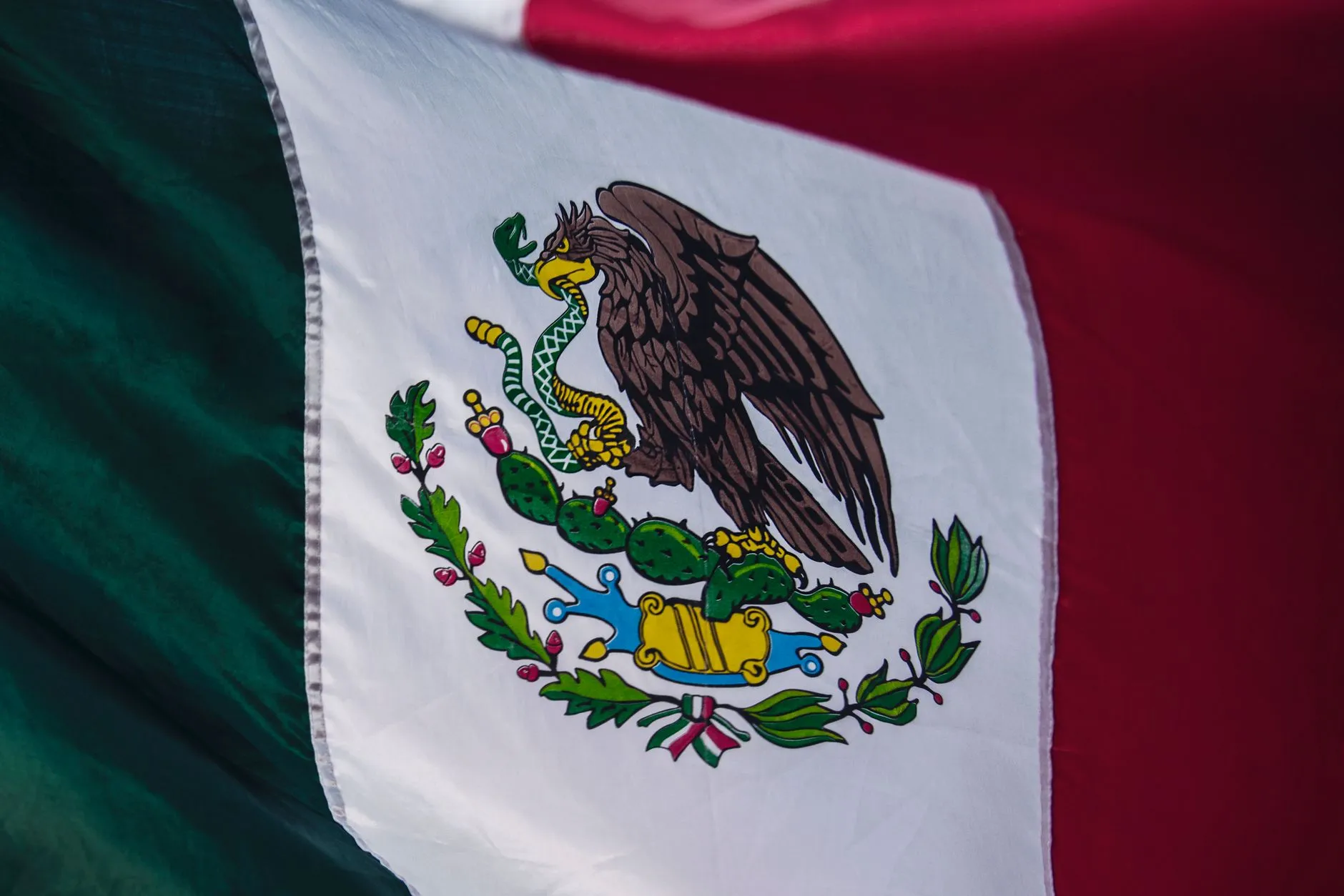
TL;DR: To obtain Mexican citizenship, most people first need to live in Mexico as permanent residents for at least five years. However, this waiting period can be shorter if you have Mexican parents or marry a Mexican citizen. Mexico allows dual citizenship, meaning you can usually keep your original nationality while becoming a Mexican citizen. After meeting the residency or relationship requirements, you’ll need to pass an exam on Spanish, Mexican history, and culture, and then submit your documents to a local consulate.
Moving to a new country like Mexico brings many exciting chances, from its rich history to its vibrant food scene and beautiful places. But living abroad long-term, especially if you split your life between countries, means more than just enjoying the local culture. It also means managing how you stay connected and keep your important ties to your home country, such as your phone number or your finances, working smoothly. Becoming a Mexican citizen can make life easier and open up new opportunities, but the process is not always straightforward. This guide will walk you through the key steps and things you need to know about getting your Mexican citizenship.

What is the difference between being a Mexican citizen and a permanent resident?
Becoming a permanent resident is often the first step towards full citizenship in Mexico, but there are important differences between the two. While becoming a permanent resident might seem like an easier path for some, understanding the benefits of citizenship can help you decide which is right for you.
First, you cannot become a Mexican citizen without first being a permanent resident. This means that many people live for a long time in Mexico with permanent residency because it gives them a lot of freedom. They might not feel a strong need to take the extra step to become a full citizen because their rights as permanent residents are already quite good.
However, if you choose to become a citizen, you gain several key advantages and rights that permanent residents do not have. For example, a Mexican citizen can vote in national and local elections, giving them a voice in the country’s future. Citizens also have the right to own property in certain areas that might be restricted for non-citizens. Another important difference is that citizens can change their address or their job without needing to tell the National Institute of Immigration (INM) every time. For many who plan to live in Mexico long-term, these added freedoms offer greater stability and integration into society.
Perhaps most importantly, a citizen has the right to hold a Mexican passport, which offers more travel benefits and proof of nationality. Permanent residents, on the other hand, cannot get a Mexican passport.
Some people worry that becoming a citizen of Mexico might mean losing their original citizenship, especially if they are from countries like the U.S. or the UK. It is true that government websites in some places, such as the United States and the United Kingdom, might make it sound like this could be a problem. These warnings can sometimes feel like ‘scare tactics.’ However, you can become a Mexican citizen without putting your citizenship from your home country at risk. This is possible as long as you follow all the right steps and channels during the application process. Mexico allows people to have two citizenships, which is known as dual citizenship. So, if your home country also allows it, you should not face any issues.

Can you hold dual citizenship in Mexico?
Yes, Mexico allows dual citizenship, but whether you can have two nationalities will also depend on the laws of your home country. For many people, living across borders means needing to manage responsibilities in two places, which often includes maintaining ties like a home phone number. Keeping your original nationality while gaining a new one can make this much simpler.
For example, citizens from the United States and the United Kingdom are generally allowed to hold dual citizenships. This is also true for most people from European countries. This means if you are from one of these nations, Mexico’s rules on dual citizenship should not cause you any problems.
However, it is important to know that not all countries allow or recognize dual citizenship. Some European nations, among others, may require you to give up your first citizenship if you become a citizen of another country. It’s a good idea to check the specific laws of your home country to understand your situation. You can often find information online about whether your country allows dual citizenship through various immigration resources.
From Mexico’s side, having dual citizenship is fully allowed. If your home country also permits you to hold two citizenships, then you should not have any issues with becoming a Mexican citizen and keeping your original nationality. This can be very helpful for people who split their time between countries or need to maintain connections, such as keeping a U.S. phone number working abroad or a UK number for family and banking. The Mexican government even offers specific resources on dual citizenship on its website.
What are the requirements for becoming a Mexican citizen?
The main path to becoming a Mexican citizen involves first becoming a permanent resident and living in Mexico for a specific period, usually five years. However, some situations can allow you to apply for citizenship more quickly.
The first major requirement for most applicants is to establish permanent residency. As mentioned, it’s not possible to become a Mexican citizen without first being a permanent resident. Once you have this status, you must then maintain your residency in Mexico for a minimum of five years. This five-year period shows your commitment to living in the country.
There are certain special situations that can allow you to skip this long waiting period. For instance, if you are claiming Mexican nationality because your parents are Mexican citizens, or if you marry a Mexican citizen, the residency requirement is often shorter or not needed at all. If neither of these special cases applies to you, then getting citizenship without first living as a permanent resident for the required time is almost impossible.
Assuming you meet the permanent residency requirement, the next crucial step is passing a naturalization exam. This exam tests two key areas:
- Spanish Language Ability: You must show that you can speak Spanish fluently or nearly fluently. This is vital for integrating into Mexican society and daily life.
- Knowledge of Mexico: The exam also checks your understanding of Mexican history, its current culture, and political system.
If you feel your Spanish skills need improvement, there are many tools available. For example, you can use language learning platforms like Busuu to practice and get closer to fluency. Learning the language is not just about passing an exam; it helps you fully experience life in Mexico and connect with local communities.
After successfully passing the exam, the actual application process is usually about collecting and submitting the correct documents to your local Mexican consulate. The specific documents you need will depend on your situation and how you are applying for citizenship.
What documents do you need for Mexican citizenship through parents?
If you were born outside of Mexico but are applying for citizenship because one or both of your parents are Mexican citizens, you will need to provide a specific set of documents. This path, known as “citizenship through descent,” often has simpler requirements, especially concerning residency.
Here is a list of the typical documents required for this type of application:
- Your parents’ marriage or divorce certificate: This proves the legal relationship between your parents.
- Proof of your parents’ citizenships:
- You need proof that at least one parent is a Mexican citizen.
- You also need proof of citizenship for both parents in general, regardless of their country.
- These proofs can include:
- Your parents’ birth certificates.
- Their valid Mexican passports (if applicable).
- Their national voter cards (if applicable).
- Your own birth certificate:
- You will need the long version of your birth certificate.
- This document must also have an “apostille.” An apostille is a special certificate that makes foreign documents valid for use in Mexico.
- You will also need a professional, translated version of your birth certificate into Spanish.
- Identification for everyone involved: This includes passports or driver’s licenses for you and your parents, state ID cards, or school IDs. If you don’t have enough official IDs, you might need two witnesses who are over 18 years old to come with you to your appointment.
You will also be required to pay a fee for the application. This fee can vary depending on the specific Mexican consulate where you apply.
What happens after you submit your application?
Once you have submitted all your paperwork, the next step is to wait for your naturalization application to be processed. This waiting period can take several months. Sometimes, the consulate may ask you to provide more information or additional documents during this time. This can, of course, make the process take even longer.

After your application has been processed and approved, you will receive a Certificate of Naturalization. You can pick up this important certificate at the same consulate where you submitted your application. Many people choose to apply for their Mexican passport right away, often on the very same day they receive their Certificate of Naturalization, as this is the primary proof of your new status.

What are the different ways to obtain Mexican citizenship?
While becoming a Mexican citizen is not open to just anyone, there are several defined paths you can take to achieve it. These paths depend on your personal circumstances, such as your family background, marital status, or how long you have lived in Mexico. Understanding these different routes can help you figure out the best way forward for your own situation.
Can you obtain Mexican citizenship through investment?
No. Currently, Mexico does not offer a program where you can gain citizenship by making an investment in the country. This means that financial contributions alone do not lead to naturalization.
Can you obtain Mexican citizenship through descent or ancestry?
Yes. If your parents are Mexican citizens, you are eligible to apply for Mexican citizenship, regardless of where you were born. One of the main advantages of this path is that children of Mexican citizens are not required to become permanent residents first. This makes the process much quicker and simpler than other routes. You simply need to provide the necessary documents proving your parents’ Mexican nationality and your relationship to them. This can be an ideal path for those living abroad who still wish to maintain strong ties to their heritage and make visiting or returning to Mexico much easier.
Can you obtain Mexican citizenship through marriage?
Yes. Marrying a Mexican citizen can make you eligible for citizenship more quickly than the standard naturalization process. As soon as you are legally married, you become eligible to apply for Mexican citizenship. However, there are two key conditions for this:
- Residency: You and your Mexican spouse must be living together in Mexico. This shows a genuine marital relationship within the country.
- Marriage Location: The marriage must have taken place in Mexico. Marriages performed in your home country or any other country overseas usually do not qualify you for this faster path to citizenship. This is because the Mexican government wants to ensure the marriage is part of establishing a life within Mexico itself. Many people also consider what happens to important arrangements like their phone number when getting married abroad.
Can you obtain Mexican citizenship through naturalization?
Yes. Naturalization is the most common path for individuals who do not have Mexican parents or a Mexican spouse. This route is available to permanent residents who have lived in Mexico for a minimum of five years. During this time, applicants must have maintained their permanent residency status. After these five years, they can then apply for citizenship based on this period of legal residence, provided they also pass the naturalization exam and fulfill all other document requirements. This path is a clear option for expats and long-term residents who have integrated into Mexican life and wish to make the country their permanent home.
How can you find more information about how to obtain Mexican citizenship?
If you are looking for specific details about getting Mexican citizenship based on your personal situation or current nationality, the best approach is to contact your local Mexican consulate. Consulates are official offices that represent the Mexican government in other countries.
Making an appointment at a consulate allows you to speak with officials who can provide tailored advice. They can help you understand if you are eligible for citizenship and guide you through the exact process you will need to follow. This is especially important because requirements can sometimes change or have specific nuances based on your country of origin.
For anyone generally interested in moving to Mexico or learning more about the process of becoming a citizen, the Mexican government’s official website offers a wealth of resources. In particular, you can find detailed information on dual citizenship there, which is a topic that often has many questions surrounding it. Exploring these resources can give you a better understanding of what to expect and what steps you need to take.
Good luck on your journey to becoming a Mexican citizen!
Related reading
Sources
| # | Source | Website |
|---|---|---|
| 1 | immigration resources | dlgimmigration.com |
| 2 | resources | gob.mx |
| 3 | Busuu | busuu.com |