
Moving Abroad Checklist: Your 6-Month UK Relocation Guide
Moving abroad from the UK? This comprehensive 6-month checklist covers visas, budgeting in two currencies, healthcare, and essential documents to ensure a smooth, stress-free…


TL;DR: To prepare for moving abroad from the UK, start 6 months before you leave. Focus on getting permission to move (like a visa), planning your money in two currencies, and sorting out healthcare. In the first 1-2 months, check immigration rules, create a budget, and look at your health needs. By 4 months before, research work, housing, and gather all your important papers. In the last 3 months, confirm bookings, arrange healthcare, and cancel UK services. Make sure your important documents, money, and contacts are easy to reach for your arrival.
Imagine arriving in a new country, excited and ready for your new life, only to find you can’t open a bank account, your medication isn’t allowed, or your pet is stuck in quarantine. These kinds of stressful surprises often happen because people don’t prepare early enough. Moving to a different country is a big adventure, but it needs careful planning to go smoothly. Starting to prepare six months before you leave gives you enough time to handle big tasks like getting visas, sorting out your money, and making sure your healthcare is covered. This guide will help you build a solid moving abroad checklist so you can avoid common problems and enjoy your new start.
Moving to a new country can be complex, especially when you need to handle tasks that can become difficult or expensive if left too late. Begin by making decisions that affect everything else, such as whether you can legally move, where you will live, how you will earn money, what healthcare you can access, and how you will manage your existing commitments in the UK.
This international move checklist is designed for people from the UK who are relocating to another country for work, study, family, retirement, or a longer stay. Remember that rules can change depending on your chosen destination and your personal situation. Always use the official links provided in this guide to check the specific details that apply to you.
How can I use a checklist for moving abroad?
A moving abroad checklist works best when you change each big task into a clear decision, a document you need, and a set deadline. Start with the things that rely on getting official approval or depend on other people’s availability. After that, focus on money, healthcare, work, your belongings, and daily arrangements.
To create or review your own checklist, make sure to:
- Confirm the correct visa, residence, or work path for your destination country.
- Figure out all the costs for your move and note down which ones will be paid in pounds and which in the new country’s currency.
- Check what you need for healthcare, insurance, and any special arrangements for family members or pets.
- Collect all important papers like passports, certificates, financial records, and any evidence you might need for applications.
- Write down all the UK organizations you need to contact and the dates by which you must do so.
The exact rules will depend on the country you are moving to and your personal situation. So, use this guide as a plan to prepare for moving abroad. Always check country-specific rules with the official authorities in that country.
What are the most important things to do 6 months before moving abroad?
The most important things to do 6 months before moving abroad involve getting permission to move, setting your budget, and looking into work, housing, and healthcare. Here’s a quick look at your main tasks over the next few months:
| When | Main focus | What “done” looks like |
|---|---|---|
| Now | Permission, destination, and budget | You know your visa or residence options and the costs you need to pay. |
| 5-6 months to go | Work, housing, healthcare, and documents | You have a shortlist of places, a pack of documents, and a healthcare plan. |
| 4 months to go | Belongings, pets, family, and money | You have price quotes, appointments, and deadlines written down. |
| 3 months to go | Confirmations and UK administration | You are only booking things that your permission and budget allow. |
| Final weeks | Travel and arrival plan | Key documents, money, medicines, and contacts are easy to get to. |
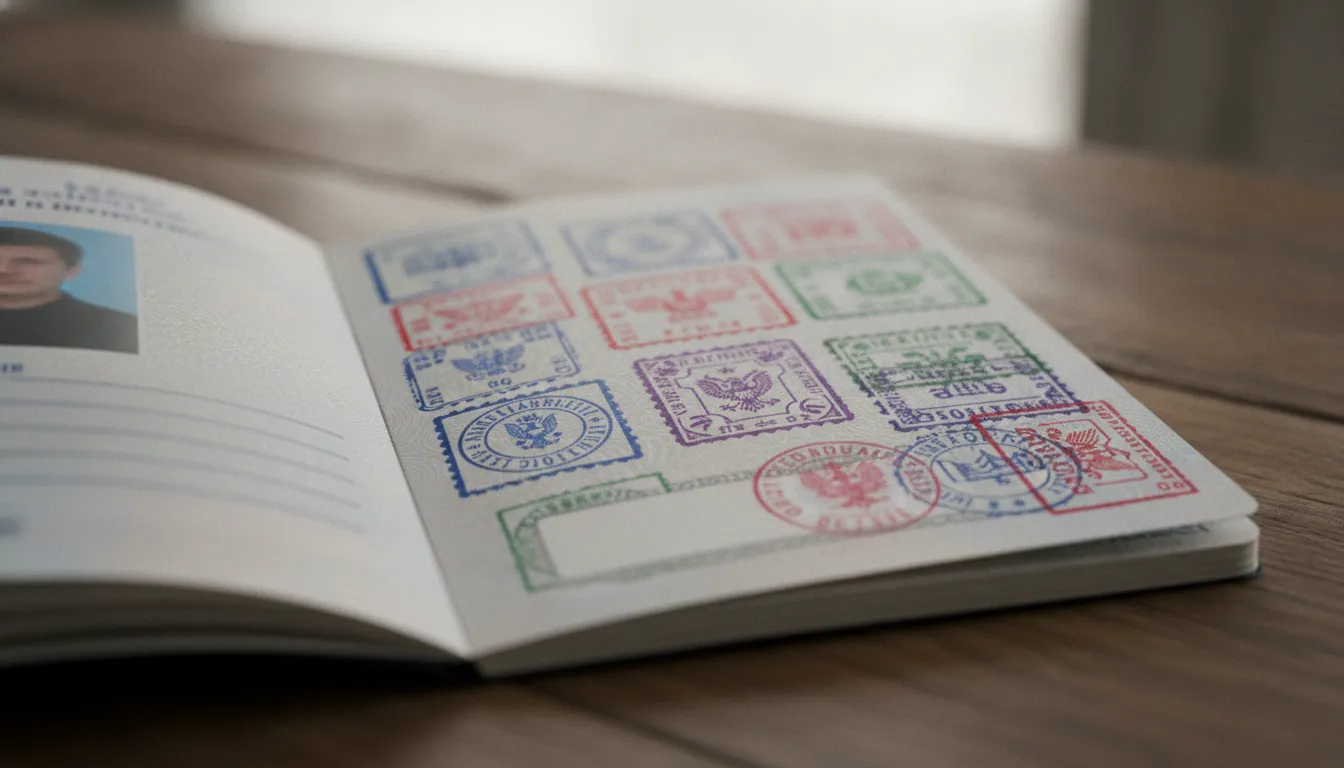
1. Check if you can legally move
Start by visiting the official immigration website or embassy of the country you want to move to. Find out if you need special permission to enter, live, study, or work there. Also, check if your application depends on a job offer, someone sponsoring you, a family connection, your age, how much money you have saved, your qualifications, or any health checks.
Here’s a simple immigration checklist to help you:
- Find your required visa or residence permit type.
- Note down the application deadline and how long the process usually takes.
- Check your passport’s expiry date and if it needs enough blank pages.
- Find out about any police checks, medical exams, document translations, or certification you might need.
- Understand the rules for working, studying, and traveling once you arrive.
- Learn the steps for registering yourself in the new country after you get there.
- Know all the fees and have a backup plan if your application takes longer than expected.
Use the current UK government’s FCDO travel advice for information about entry rules, safety, and other practical tips for your country. However, remember that this advice does not take the place of the immigration decision made by the destination country’s authorities. Do not book flights that you cannot get money back for, or end your rental agreement, just because you have sent in an application. Wait until your permission is clear and you know your exact dates before making big commitments.
2. Build a move budget that works in two currencies
When you are preparing for moving abroad, it’s very important to make a clear budget. List all your one-off costs separately from your monthly costs. For each item, include the currency you will pay in, the date you expect to pay, and whether the price is fixed or just an estimate.
One-off costs to include:
- Fees for visas, medical checks, police certificates, document translations, and certifications.
- Costs for flights, extra baggage, transport to and from the airport, and any temporary accommodation you might need.
- Deposit and advance rent payments, plus fees for connecting utilities like electricity or gas.
- Shipping costs for your belongings, storage fees, customs duties, or the cost to replace items.
- Insurance and your first healthcare expenses.
- Costs for schools, childcare, pet transport, vehicle shipping, or professional fees.
Monthly costs to include:
- Rent, utility bills, food, and public transport costs.
- Phone and internet bills, ongoing insurance, and healthcare payments.
- Money for tax, pension contributions, debt repayments, and student loan commitments.
- Subscriptions and services that will continue in the UK.
- Any money you plan to transfer between your UK and destination country bank accounts.
Make sure to add extra money to your budget as an “arrival buffer.” This is for unexpected delays, temporary living costs, if your first salary is late, or for any sudden document fees. It’s also wise to test your budget against a weaker exchange rate or if you need more time to settle in. This is much more helpful than just using a general estimate of living costs you find online. You might want to track exchange rates carefully, so you can choose the best time to exchange your money.
3. Decide how you will manage money before you leave
When thinking about financial planning moving abroad, it’s helpful to plan out your money movements by date. Ask yourself these important questions:
- Which payments in the UK must continue even after you have left the country?
- When will you need money in the currency of your new destination?
- When do you expect your first salary, pension payment, grant, or other income to arrive in the new country?
- How will you get cash if your new local bank account isn’t ready immediately after you arrive?
- What documents might your bank or money transfer service ask for if you send a large amount of money?
It’s important to keep enough money available for essential needs during your first few weeks. Do not move all your UK pounds into a new currency at once just because the exchange rate has changed. If you plan to send a large amount of money, think carefully about the best time to do it, what documents you need, any tax implications, and if you need professional advice.

4. Tell the UK organisations that need to know
When you are leaving the UK to live abroad, GOV.UK says you should contact the right government offices about any benefits, pensions, and tax you might have. It also points out things to consider for council tax, student loans, and voting. According to current GOV.UK guidance on moving abroad, you need to inform several bodies.
Make a list of the organisations that apply to your situation:
- HMRC (HM Revenue and Customs) and your employer or pension provider.
- Your local council and the service that registers people to vote.
- The Student Loans Company.
- The Department for Work and Pensions or any benefit offices you deal with.
- Your banks, lenders, insurance companies, and investment providers.
- Schools, universities, professional groups, and healthcare providers.
If you receive benefits, check if you can still get them in your destination country before you leave. If you will be outside the UK for more than three months and have a UK student loan, GOV.UK states you must inform the Student Loans Company and keep your employment details up to date.
You should also check if you need to tell HMRC that you are leaving the UK by filling out form P85 or doing a Self Assessment. HMRC’s process depends on your job and if you usually fill in a tax return. It’s possible to owe tax in both the UK and your new country, so don’t assume that closing your UK address means you no longer have any tax duties in the UK. Keep copies of your final payslips, P45 or similar work records, tax forms, pension statements, loan details, and confirmations from your accounts. Use a secure way to keep your documents, rather than just relying on an old email inbox.
It’s important to understand what happens to your number when you move abroad. You might want to consider keeping your UK phone number, and you can learn more about how in our UK guide.
5. Check healthcare, medicines, and insurance
The NHS (National Health Service) is for people living in the UK. If you move abroad for good, you will not automatically have the right to NHS treatment under the usual rules. The NHS advises you to check the healthcare system in the country you are moving to and arrange proper cover.
Six months before you move, make a healthcare list:
- Find out how residents and new arrivals get medical treatment in your new country.
- See if you need to get health insurance before you can officially register with local services.
- Talk to your GP (family doctor) about getting repeat prescriptions and your medical records.
- Check if you need any vaccinations or health certificates.
- Arrange to have enough medication for your journey and any allowed time you have to settle in.
- Write down emergency phone numbers and the closest suitable clinic or hospital.
If you are moving because of retirement, work, study, or a special assignment, check if a UK-funded arrangement, like an S1 form, could apply to you. These rules are very specific and depend on your destination, so use the current NHS guidance and GOV.UK guidance instead of just assuming you are eligible. If you expect to claim the UK State Pension while living abroad, check your pension forecast and the International Pension Centre’s guidance before you move.

6. Research work, qualifications, and housing
If you don’t already have a job lined up, research the local job market before you commit to moving. Check if your visa allows you to work, if your job needs special regulation, and if your qualifications need to be officially recognized or translated.
Prepare these items:
- A CV (resume) that is right for your destination country.
- Digital and printed reference letters from past employers.
- Certificates and transcripts for your qualifications.
- Proof of your work history and any professional registrations.
- A realistic plan for how long it will take to find a job and a budget for your arrival without income.
For housing, compare temporary places to stay with options for long-term rentals. Find out what landlords or letting agents might ask for, such as identity documents, proof of income, references, a deposit, or local registration. Rules differ a lot, so confirm what you need with the local authorities or a trusted housing professional.
If it’s possible and you can afford it, take a short trip to your new country to do some research. Use this trip to compare different neighborhoods, how long it takes to get to work, schools, public transport, access to healthcare, and the real cost of daily life. This trip is optional; it should not use money that you need for your visa or your arrival buffer.
7. Build a secure document pack
Create one folder for physical documents and one encrypted digital copy. Only include what you really need, and never store identity documents in a shared folder that isn’t secure.
Your pack might include:
- Passport, visa, residence permits, and citizenship documents.
- Birth, marriage, civil partnership, or child custody papers.
- Medical records, prescriptions, and proof of vaccinations.
- Records of your employment, qualifications, and professional registrations.
- Bank, insurance, pension, tax, and student loan documents.
- School, childcare, and pet-related papers.
- Emergency contact information and copies of key policy numbers.
Check if your new country needs official translations, apostilles (a type of document certification), or documents issued within a certain time frame. Start asking for these now if they could take several weeks to get ready.
8. Sort belongings, storage, vehicles, and pets
Use four labels to help sort your belongings: take, sell, store, and dispose. For furniture and large items, compare the full cost of shipping them with how much it would cost to buy new ones in your destination, or the price of putting them in storage. Keep important documents and items that hold sentimental value separate from any luggage you check in or ship.
If you are taking a vehicle, compare the costs of shipping it, importing it, making sure it meets local rules, registration, insurance, and repairs. Also, look into local transport options. Do not assume your UK vehicle can be driven or registered right away in the new country.
Pets need their own timeline for moving. Check the import rules of your destination country, required vet treatments, microchip rules, permits, quarantine periods, how they will travel, and all the costs. Some pet travel plans need many months of preparation. If you are moving a dog, cat, or ferret, start by looking at the current GOV.UK pet travel guidance and the rules of your destination country’s authorities.

9. Plan for family, language, and daily life
If children are moving with you, ask their current school how much notice they need and request their records early. Check the rules for school admissions, school calendars, childcare options, immunizations, consent documents, and any special support your child might need.
Learning some basic phrases in the local language can make daily tasks easier, but it’s only one part of settling in. Research local customs, public services, transport systems, what to do in emergencies, and the practical differences that will affect your household.
Make a short list of reliable contacts: the authorities in your new country, your employer or school, your landlord or accommodation provider, your insurance company, a healthcare contact, and a trusted person in the UK. This will form a key part of your relocation guide.
10. Turn the plan into deadlines
Put every task on your calendar with a clear person responsible for it and what other tasks it depends on. For example, “book flights” depends on getting your visa approved, while “cancel broadband” depends on knowing your final address date in the UK. This systematic approach is essential for any good expat checklist UK.
Six months before your move:
- Check immigration rules, passport requirements, and what you need for work or study.
- Create your budget that works for two currencies and set aside an arrival buffer.
- Review your healthcare and insurance needs.
- Start requesting necessary documents and getting your qualifications recognized.
- Begin planning for any pets or vehicles you’ll be taking.
Four to five months before your move:
- Decide what belongings you will take, sell, store, or replace.
- Gather price quotes for shipping, storage, flights, and temporary accommodation.
- Confirm timelines for schools, childcare, or work.
- Review your UK tax, pension, benefits, loans, and regular payments.
- Decide how you will access money before your local banking is fully set up.
Three months before your move:
- Confirm your immigration timeline and only book travel that matches your permission.
- Arrange healthcare, prescriptions, insurance, and any required certificates.
- Start giving notice to cancel or transfer your UK services.
- Finalise your document pack and make secure copies.
Moving abroad is much easier to manage when you can see all the tasks laid out. Start with getting permission, sorting out your money, healthcare, documents, and deadlines. Then, fill in the specific details for your destination as you get them confirmed. For more detailed help on the final preparations, check out our moving abroad checklist for the final month.

Financial planning for common destinations
The general money advice above applies no matter where you go, but the specific paperwork and rules change by destination. Use the right checklist below as a starting point, then confirm the exact rules for your country, visa, and tax situation.
Moving to Europe: financial checklist
Europe is not one single banking or tax system, so you must check the specific residence, tax, and registration rules for the exact country you are moving to.
- If you are legally living in an EU country, check if the EU basic payment account rules apply to you. These rules only cover basic bank accounts, and banks can still check your identity and fight against money laundering. According to Europe.eu, all EU residents have the right to a basic payment account.
- Ask banks for their fee information documents. Compare regular fees and the cost of payments. Keep a plan for how you will transfer GBP to the local currency for rent, deposits, and bills.
- Keep track of your UK direct debits and any refunds until your new bank account and regular payments are fully working.
Moving to the US: financial checklist
When considering a move to the US, confirm your immigration and work permission before you plan for employment or payroll there.
- Check if you will need to apply for a Social Security Number (SSN). The US Social Security Administration says that non-citizens usually need permission to work to get an SSN.
- If you need a federal tax number but cannot get an SSN, the IRS explains when an Individual Taxpayer Identification Number (ITIN) might apply to you.
- Compare bank account fees, rules for direct deposits, how you can access your card, and options for transferring money. Keep a record of your UK tax for the year you leave and for any UK income that continues. You can find specific advice on keeping your number if you move to the US.
- Treat US tax, healthcare, credit, and banking as separate decisions. Don’t assume that one bank account will solve all four of these needs.
Moving to Asia: financial checklist
First, identify the exact country and currency in Asia you are moving to. “Asia” does not have one rulebook for residence, tax, banking, or money transfers.
- Check the guidance from the destination country’s authorities for visa and work permission, local registration, tax identification, how salaries are paid, and any rules about foreign exchange or sending money. Always use the most current country-specific guidance before you take any action.
- Ask potential banks what identity, address, visa, and income documents they need in advance and whether you can apply before you arrive.
- Keep a plan for converting GBP to the local currency, an arrival buffer for unexpected costs, and a list of UK payments you still need to manage until your local banking and income are confirmed.
Remember, no matter where your new adventure takes you, having a plan for managing your money across different currencies can make things much easier, both in your new country and while you are setting up.
FAQs: moving abroad six months before you go
Is 6 months enough time to prepare for a move abroad?
Six months can be enough time for some moves, but not for all. The time it takes for visa processing, legalising documents, importing pets, arranging healthcare, and finding housing can all vary greatly. Always start by figuring out the slowest part of your plan and check the current requirements with the authorities in your destination country.
Do I need to tell HMRC that I am moving abroad?
Your actions depend on your job, whether you usually complete a tax return, and your residence situation. Before you leave, check the current GOV.UK guidance on moving abroad and the HMRC P85 or Self Assessment process.
Will I still be able to use the NHS after I move?
The NHS is for people living in the UK. So, if you move abroad permanently, you will not automatically keep your normal right to NHS treatment. You should check the healthcare system and insurance requirements in your new country. Also, use the current NHS guidance for any limited arrangements that might still apply to you.
What should I do with money in the UK when I move abroad?
Make a list of the payments that must continue, the income you expect, and when you will need money in your new country’s currency. Compare the costs, prices, and availability of different ways to transfer money if you plan to open a new account. Keep an extra amount of money as an “arrival buffer.” Do not close your UK bank account until you have confirmed that all final payments and refunds are complete.
How should I prepare financially when moving to Europe, the US, or Asia?
Start by focusing on the exact country, your visa status, and your tax situation. Check if you can open a local bank account before you arrive, what identity or tax number you will need, which UK payments will continue, and how you will pay for things during your first few weeks. Europe, the US, and Asia are not single financial systems, so always use official guidance specific to the country you are moving to, rather than relying on a general regional checklist.
This article provides general information and should not be taken as advice on immigration, tax, legal matters, healthcare, or financial planning. Rules, fees, eligibility, exchange rates, and product availability can change. Always check with relevant official sources or seek legal advice before taking action.
Related reading
Sources
| # | Source | Website |
|---|---|---|
| 1 | FCDO travel advice | gov.uk |
| 2 | current GOV.UK guidance on moving abroad | gov.uk |
| 3 | current NHS guidance | nhs.uk |
| 4 | current GOV.UK pet travel guidance | gov.uk |
| 5 | Europe.eu | europa.eu |
| 6 | US Social Security Administration | ssa.gov |
| 7 | IRS | irs.gov |