
Moving to Belgium from UK: Your 2026 Expat Guide
Moving to Belgium from the UK after Brexit? Our 2026 guide covers visas, registration, costs, and key steps for UK citizens, including how to keep your UK phone number for…


TL;DR: Moving to Belgium from the UK after Brexit means you need a long-stay Type D visa if you plan to live there for more than 90 days in any 180-day period. When you arrive, you must register your address with the local council within 8 days. The cost of living in Belgium is often similar to the UK, but housing and public transport can be 30% to 40% cheaper. If you plan to retire there, you’ll need to prove you have enough money and health insurance, as there’s no special retirement visa. Making sure you can stay connected with your UK phone number is also a key step for many expats.
Life often feels like it’s split between two places when you move abroad. One moment you’re getting used to a new language and culture, the next you’re worried about missing important calls from back home. Many people underestimate how much of a hassle it can be to keep your old phone number working when you start a new life in a country like Belgium. Whether it’s for banking, family, or just staying in touch, keeping your home number alive and reachable is a crucial part of a smooth move. This guide will walk you through everything you need to know about moving to Belgium from the UK in 2026, helping you settle in while staying connected.

Can British citizens move to Belgium?
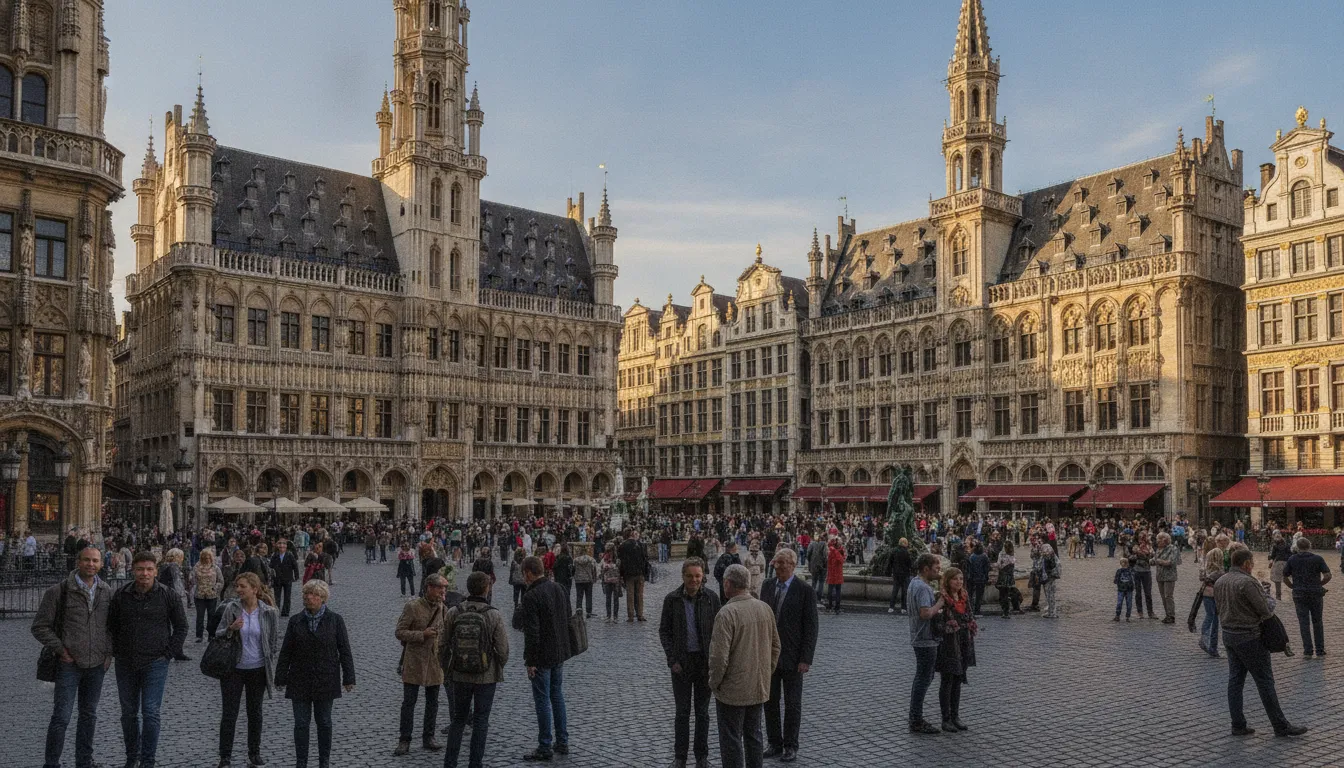
Yes, British citizens can move to Belgium, though the process has become more involved since the UK left the European Union. Belgium is part of the Schengen Area. This means British citizens can visit Belgium without a visa for up to 90 days within any 180-day period. This short-term stay is for tourism, visiting friends or family, or brief studies.
However, if you plan to live, work, or stay in Belgium for longer than 90 days, you will need to apply for a long-stay national visa (called a Type D visa) before you move. This visa is your first step towards making Belgium your new home.
What are the requirements to move to Belgium from the UK?
If you plan to move to Belgium from the UK, you will generally need a long-stay (Type D) visa or a residence permit before you even relocate. The specific type of permit you need depends on your reason for moving, such as for a job, to study, or to join family members.
You will also need health insurance that covers your stay in Belgium when you apply for your visa. Each type of visa will require different documents. For example, a student visa will need proof that a university has accepted you. If you are moving for work, you will usually need an offer of employment from a Belgian company.
After you arrive in Belgium, you must report to your local town hall (municipality) within eight days of getting there. This also means you need to have a place to live in that specific area. To sum up, the main requirements to move to Belgium from the UK include:
- A valid passport.
- A long-stay (Type D) visa or residence permit.
- A clear reason for moving, such as work, study, or family reunification.
- Registration with your local town hall after you arrive.
- Health insurance cover for your stay.
How long can a British citizen live in Belgium?
British citizens can visit Belgium for up to 90 days within any 180-day period without needing a visa. However, anyone who wants to live in Belgium for more than 90 days must apply for the correct long-stay visa before they move.
A long-stay visa typically allows you to stay for an initial period of about three to six months. After this, if you meet the conditions, you can apply for a residence permit. This permit will allow you to continue living in Belgium for the long term.
How do you move to Belgium from the UK?
Moving to Belgium from the UK involves several important steps that you need to follow carefully. Here’s a look at the main stages of the process.
Choose your reason for moving
Your reason for moving is the first and most important step. It will decide which type of visa or residence path you need to take. The most common options for UK citizens include moving for a job, for education, or to be reunited with family members already in Belgium.
Gather the necessary documents
Depending on your chosen visa route, you will need to submit different documents with your application. For example, if you are applying for a student visa, you will need proof that a recognised Belgian school has accepted you. If you plan to work in Belgium, you might need proof of a job offer and support from your employer.
A valid passport is always required for any type of application. Some documents may also need to be officially translated or certified, depending on your situation. It is very important to check the specific document requirements for your visa category.
Apply for your visa
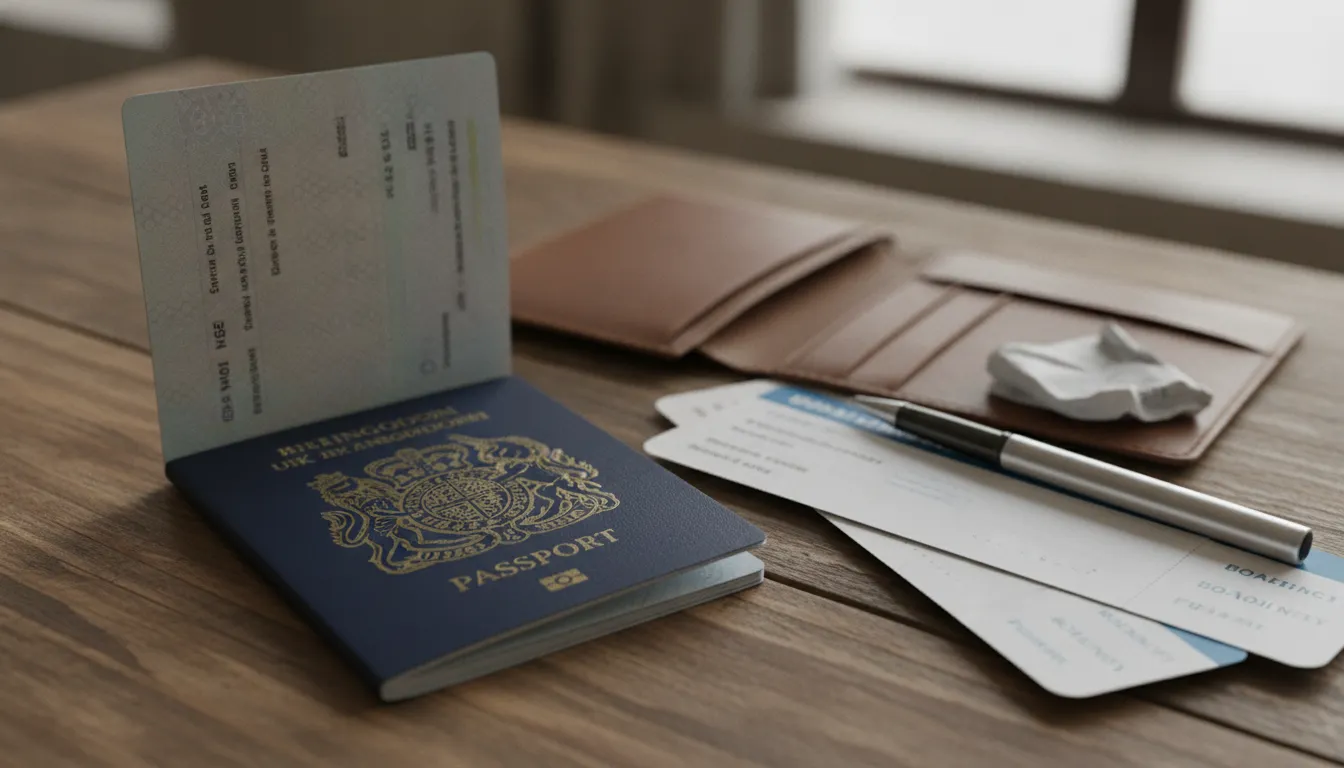
Once you have chosen the right path and gathered all your documents, you can submit your visa application. You will do this through the Belgian embassy or a consulate in the UK. If you are moving for work, your Belgian employer might need to apply for a “Single Permit” on your behalf. This permit combines both permission to work and permission to live in Belgium. Processing times can vary, so it is a good idea to apply well before your planned moving date. According to IAS Services, checking these requirements early is key for a smooth move.
Arrange your move and hire a moving company
After your visa has been approved, you can start getting ready for your relocation. This includes finding a place to live in Belgium, hiring a moving company, and finishing any last arrangements in the UK before you leave. Planning ahead can make a big difference for your peace of mind.
One crucial detail many people overlook is what happens to their phone number. If you have a UK mobile number, you might want to keep it to stay in touch with family, manage UK bank accounts, or for online services. Explore options for keeping your UK number working while living abroad, as porting rules can differ depending on your new location. You can learn more about how to keep your UK number when living abroad in our detailed UK guide.
Read customs and imports rules before packing
Before you start packing your belongings, take some time to check Belgium’s customs and import rules. Make sure you know what items you can bring with you, whether anything needs to be declared, and if you need any extra paperwork. Doing this will help your move go more smoothly and avoid any surprises when you arrive. You can find general guidance on moving abroad with your belongings in a comprehensive moving abroad checklist.
Register after arrival
Once you arrive in Belgium, you must complete your local registration process within eight days. This usually means registering with your local town hall and confirming your address. According to Belgium.be, this step is compulsory for all new residents.
You may also need to take other steps depending on your situation, such as signing up for Belgian health insurance.
Set up your life in Belgium
After you complete your registration, you can begin to settle into everyday life in Belgium. This might involve opening a Belgian bank account, understanding your tax duties, and getting used to the local language and culture. Staying connected throughout this process is important. This is where you might consider services that let you keep your home number active. This is helpful for things like two-factor authentication for UK banking or receiving calls from family and friends without high international charges. Find out more about what happens to your number when you move abroad.

Moving to Belgium with pets
Belgium follows the rules set by the EU for bringing pets into the country. Before you travel, your pet must have a microchip, a rabies vaccination given at least 21 days before entry, and a valid animal health certificate. You will also need a confirmation from an official vet that your pet is fit to travel. More details on bringing pets to EU countries can be found on the Your Europe website.
What types of visas and residence permits are available in Belgium?
Since Brexit, UK citizens are now seen as non-EU nationals when they move to Belgium. This means they need a national long-stay (Type D) visa to live there. There are several long-term visa options available, which depend on why you are moving. The main types of long-term visas include:
- The work visa
- The study visa
- The family reunification visa
These visas are the entry point for legal residency in Belgium.
How do you apply for residency?
Once you have moved to Belgium, you must register with the local town hall in the area where you plan to live within eight days. You will need a registered address in that town and must submit your residence permit application along with all the necessary documents. This local registration is a crucial step to formalize your stay.
How do you renew your residency?
You should apply to renew your residence permit before your current card runs out. This is usually between 30 and 60 days in advance. You will need to provide documents that show you still meet the conditions of your residence status. These conditions will depend on the type of visa or permit you hold. Once your application is approved, your local town hall will give you your new residence card. The Belgian Immigration Office (IBZ) provides more information on extending permits.
What financial steps should you take before moving to Belgium?
Before you start moving to Belgium from the UK, it’s wise to plan your budget for several key costs. Having a clear financial checklist will help you manage your money during this big change.
Here are the costs you should budget for:
- Visa and residency application fees
- Costs for moving your belongings
- Travel expenses to get to Belgium
- Costs for relocating your pets (if applicable)
- Rent and a security deposit for your new home
- Insurance and healthcare costs
- Banking fees and charges
- Money for furniture and household items
- Language class fees
- Emergency savings for unexpected costs
What are the options for retiring to Belgium from the UK?
UK citizens can retire to Belgium from the UK if they apply for a long-stay visa. Belgium does not offer a specific visa for retirees. Those who wish to retire there typically need to show they have enough money and health insurance to support themselves without working.
Other documents that might be needed include character references from people living in Belgium, checks of your criminal record, and proof of your connection to Belgium. According to Expatica, showing financial stability is a key requirement for retirees.
Living in Belgium - The key facts
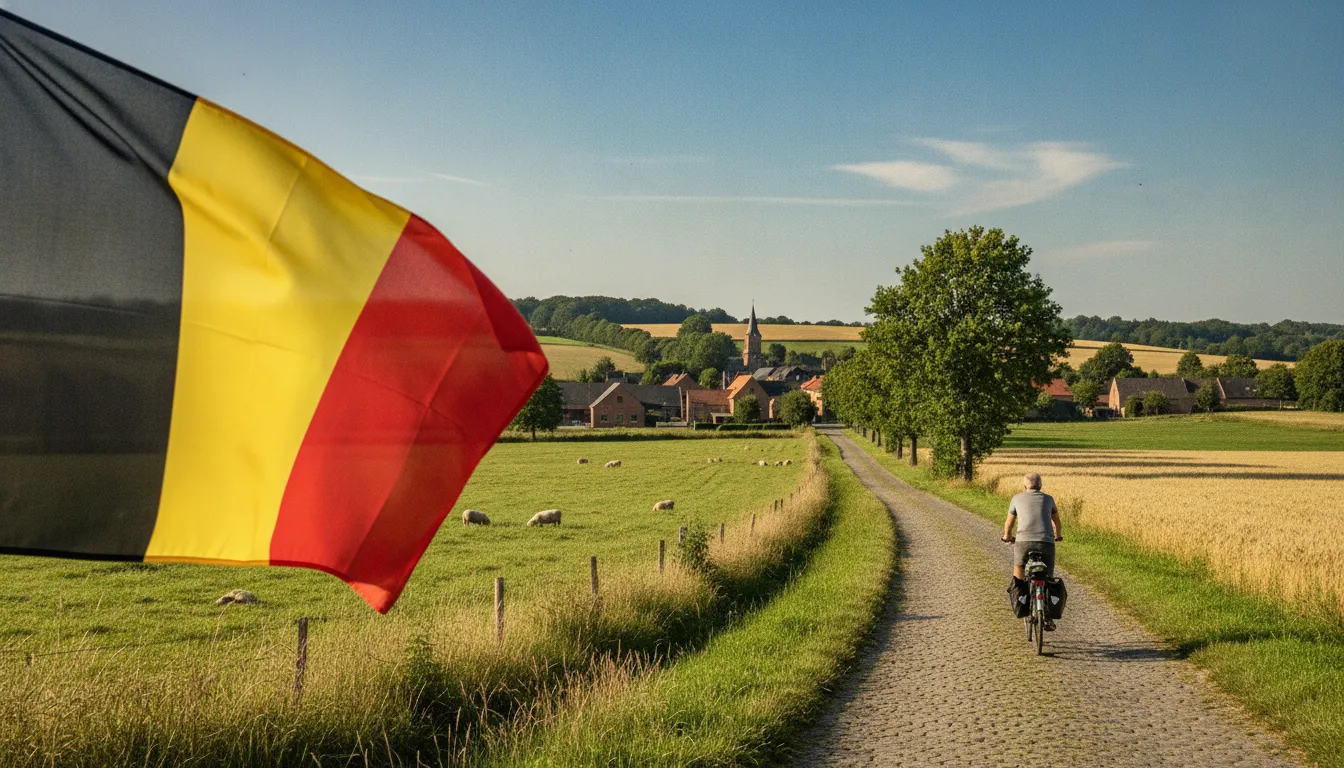
Before you make your big move, here are some important facts about Belgium to help you get to know your new home:
| Fact | Detail |
|---|---|
| Currency | Euro (EUR) |
| Main languages | Dutch, French, and German |
| Population | 11,779,888 people (as of latest data) |
| British expats | Around 30,000 |
Belgium’s population, according to Worldometers, is diverse. With about 30,000 British expats, as noted by Chase Buchanan, you’ll find a welcoming international community.
Which are popular cities and locations for expats in Belgium?
Some of the most popular Belgian cities among expats are Brussels, Antwerp, Bruges, and Ghent. These cities offer different experiences and communities for newcomers.
Brussels is the largest city in Belgium and a popular choice for expats. This is thanks to its many international communities and various job opportunities. Antwerp is another diverse expat hub with a notable British population. Bruges attracts residents with its beautiful canals and historic charm. Ghent is a lively city known for its universities and a vibrant atmosphere, drawing many young professionals. You can find more details on these locations from Expatica.
How much money do you need to move to Belgium? Understanding the cost of living.
The cost of living in Belgium is generally similar to that in the UK. However, some major expenses are more affordable in Belgium. Housing, utilities, and transport can often be cheaper. Everyday costs like groceries and restaurant meals are usually about the same in both countries.
Monthly rent and property prices are often higher in the UK, with costs being around 30% to 40% more expensive than in Belgium. Public transport is also much more affordable in Belgium, making it easier to keep your daily travel costs low. This can significantly reduce your overall expenses.
Here’s a comparison of average costs between Belgium and the UK, based on data from Numbeo:
| Expense Category | Average Cost in Belgium | Average Cost in UK |
|---|---|---|
| Rent (1-bed city centre) | €850 | £1,050 |
| Rent (1-bed outside city) | €680 | £800 |
| Basic utilities (monthly) | €180 | £200 |
| Monthly public transport pass | €50 | £65 |
| Meal at inexpensive restaurant | €15 | £15 |
| Milk (1 litre) | €1.00 | £1.10 |
As you can see, key areas like rent and public transport show notable savings in Belgium compared to the UK.
How do you open a Belgian bank account?
Opening a Belgian bank account makes it much easier to receive your salary, pay bills, and manage your daily spending. Some Belgian banks also offer special expat accounts that you might be able to open online even before you move.
The requirements differ from bank to bank, but you will typically need a valid ID and proof of your address to open an account. Some of the country’s main banks include BNP Paribas, ING Bank, and KBC Bank. The Commissioner Brussels office provides useful guidance on this process.
Whether you can keep your UK bank account after moving abroad depends on your bank’s specific rules. For instance, Barclays states that they will close both your current and savings accounts once you move overseas. This makes setting up a local Belgian account a priority. For managing money across borders, understanding how different payment methods work in other countries, like cash vs card in Italy, can also offer helpful insights.
How do you rent and buy property in Belgium?
You can rent and buy property in Belgium as a UK citizen if you have the legal right to live there. There are no rules stopping foreign nationals from buying property, and many banks even offer mortgages to expats. According to Knight Frank, the Belgian property market is welcoming to international buyers.
Renting is often the preferred choice for expats when they first move to Belgium. This allows them time to settle in before deciding to buy. You can search for properties through rental agencies or on popular websites such as Immoweb or Zimmo.
You will typically be asked for a security deposit before you move in, which is usually equal to two or three months’ rent. This deposit will be held in a special blocked account for your protection. Tenant rights are strongly protected in Belgium. There are four main types of rental contracts:
- Short-term (three years or less)
- Nine years
- More than nine years
- Lifelong
Knowing these contract types is important when signing a rental agreement.
What is healthcare like in Belgium?
Belgium has a high-quality healthcare system that is available to both its citizens and residents. The system is managed at a national level, while healthcare providers and insurance funds are organized through regional bodies.
Anyone living in Belgium and working there, including expats, can access public healthcare. This is done by paying social security contributions and mandatory health insurance. Social security payments are taken directly from your salary, while health insurance is usually paid once a year.
The system uses a reimbursement model. This means you typically pay for medical services yourself first, and then you receive a partial refund from your health insurance fund. Many residents also choose to get additional private health insurance to cover costs that are not fully reimbursed by the public system.
Health insurance
To access healthcare in Belgium, residents usually need to register with a health insurance fund. These are known as mutuelle or ziekenfonds. These funds are responsible for paying back a portion of the cost of medical care, including visits to doctors and hospital treatment.
In many cases, public health insurance covers about 75% of medical costs, and patients pay the remaining amount. Belgium also allows residents to take out additional private health insurance for extra coverage. This might include dental care or treatments not fully covered by the public system. According to AXA, understanding these options is crucial for full coverage.
English-speaking doctors and medical staff
Many doctors in Belgium speak English, though how easy it is to find them can vary depending on the region and specific medical practice. English-speaking doctors are generally easier to find in larger cities such as Brussels, Antwerp, and Ghent. These cities have more international residents and a higher demand for English-speaking services.
Medication and prescription requirements and restrictions
If you bring medication from the UK, you should check the rules before traveling. This is especially important for controlled medicines. The maximum amount of medicines you can bring into Belgium cannot be more than a three-month supply for treatment. Additional documents may also be needed for certain narcotic or psychotropic substances. Always check with the relevant authorities before you travel, as advised by the Federal Agency for Medicines and Health Products (FAMHP).
How do you find a job and work in Belgium?
You can find a job in Belgium as a British citizen if you have a valid residence permit and permission to work. The exact requirements to move to Belgium for work depend on your employment situation, such as whether you will be an employee or self-employed. For most UK nationals, this means getting the right work authorization or a “Single Permit” before you start your job. More information on the Single Permit is available from IBZ.
The average salary in Belgium is around €48,912 per year, or about €4,076 per month. However, salaries change based on factors like the industry, your experience, and the location of the job.
Popular job search websites in Belgium include:
What are the options for studying in Belgium?
Belgium offers many higher education programs, with courses available in Dutch, French, and English. Notable universities include KU Leuven, Université catholique de Louvain, Vrije Universiteit Brussel, University of Antwerp, and Ghent University.
The average tuition fees for non-EU students are around €9,000 per year, but these can range from €2,000 to €18,000. Luckily, scholarships are available to help with these costs. You can find more information on studying in Belgium on Educations.com.
Summary:
Moving to Belgium from the UK involves several important steps, from getting the right long-stay visa to setting up your life there. Remember that British citizens need a Type D visa for stays longer than 90 days. You must register with your local town hall within eight days of arrival. While the overall cost of living is similar to the UK, housing and transport can be 30-40% cheaper. Retirees need to prove financial independence and health insurance. Planning your move carefully, including how you’ll manage your finances and stay connected with your home country, will help you have a smooth transition to your new life in Belgium.
Related reading
Sources
| # | Source | Website |
|---|---|---|
| 1 | IAS Services | iasservices.org.uk |
| 2 | Belgium.be | belgium.be |
| 3 | Your Europe | europa.eu |
| 4 | Belgian Immigration Office (IBZ) | dofi.ibz.be |
| 5 | Expatica | expatica.com |
| 6 | Worldometers | worldometers.info |
| 7 | Chase Buchanan | chasebuchanan.com |
| 8 | Expatica | expatica.com |
| 9 | Commissioner Brussels | commissioner.brussels |
| 10 | Barclays | barclays.co.uk |
| 11 | Knight Frank | knightfrank.com |
| 12 | Immoweb | immoweb.be |
| 13 | Zimmo | zimmo.be |
| 14 | IBZ | dofi.ibz.be |
| 15 | Stepstone | stepstone.be |
| 16 | Jobat | jobat.be |
| 17 | Indeed | be.indeed.com |