
Moving from UK to Netherlands: 2026 Relocation Guide
Planning to move from the UK to the Netherlands? This 2026 guide covers everything British citizens need to know about residence permits, registration, housing, and staying…
TL;DR: Moving to the Netherlands from the UK requires a residence permit for stays longer than 90 days within any 180-day period. Be prepared for housing costs, which are typically around 20% higher than in the UK, especially in major cities. The average yearly salary in the Netherlands is about €48,000. Upon arrival, you must register with your local municipality within five days to get your Citizen Service Number (BSN) and arrange mandatory private health insurance.
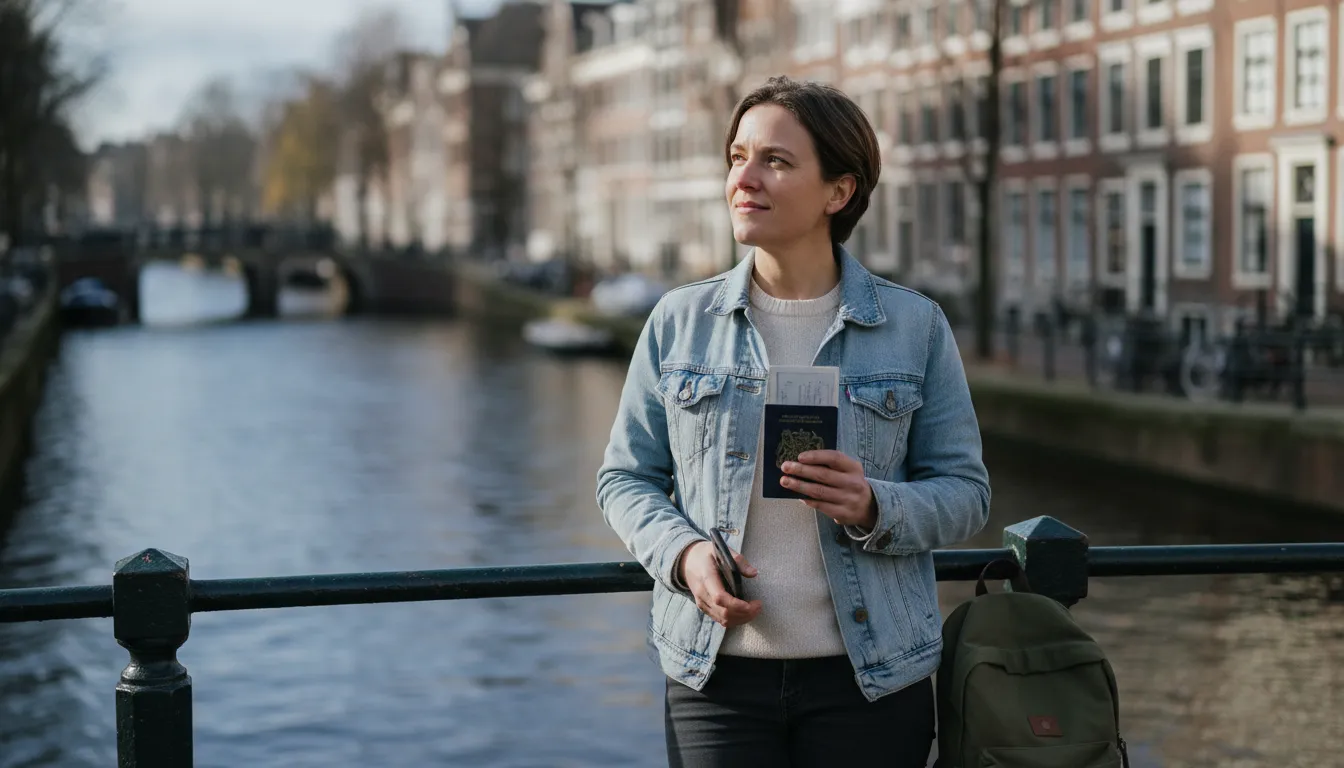
Picture this: You’re packing your bags, ready to start a new life in the Netherlands, maybe drawn by Amsterdam’s famous canals or Rotterdam’s modern city views. But since Brexit, moving from the UK to the Netherlands is not as simple as it used to be. British citizens are now treated the same way as people from outside the EU, which means more steps and documents are needed. One of the biggest challenges for those who split their time or have strong ties to the UK is keeping their home phone number working and staying connected to their friends and family back home. Planning this carefully is key to a smooth move and maintaining those important links.
Can British citizens move to the Netherlands from the UK?
Yes, British citizens can move to the Netherlands, but the process has changed and become more complex since the UK left the European Union.
Before Brexit, it was much easier. Now, British citizens can visit the Netherlands without a visa for up to 90 days within any 180-day period. This rule applies if you are visiting for tourism, seeing family or friends, going on business trips, or studying for a short time. The Netherlands is part of the Schengen Area, so this 90-day limit applies across all Schengen countries. If you plan to live, work, or study in the Netherlands for longer than 90 days, you will usually need a residence permit or a long-stay visa before you move. Since UK citizens are now seen as non-EU nationals, they must meet the same immigration rules as citizens from other countries outside the EU.
What are the requirements to move to the Netherlands?
The specific requirements for moving to the Netherlands depend on why you are relocating. Most British citizens will need a residence permit given by the Dutch Immigration and Naturalisation Service (IND).
Common reasons for moving include getting a job, studying, starting a business, or joining family members already in the Netherlands. In many cases, a sponsor in the Netherlands, such as your employer or a university, will need to start the application process for you.
Generally, you will need:
- A valid UK passport.
- A clear reason for moving, such as employment, study, or family reunion.
- A residence permit or a long-stay visa.
- Health insurance coverage.
- Proof that you have enough money to support yourself for some types of visas.
- Some applicants might also need to complete a civic integration exam, which checks your knowledge of Dutch society and language.
After you arrive in the Netherlands, you must register with the local council (municipality) where you live within five days. This registration will give you a citizen service number (BSN), which is necessary for many daily activities, including getting healthcare and dealing with government services. For those looking to keep their digital life simple, understanding how your old mobile number works abroad is crucial, whether you plan to keep your UK number abroad or get a new one in the Netherlands.
How long can a British citizen live in the Netherlands?
British citizens can stay in the Netherlands for up to 90 days within any 180-day period without needing a visa. However, if you want to live in the Netherlands for more than 90 days, you must have a valid residence permit.
After living in the Netherlands for five years, you might be able to apply for permanent residence or Dutch citizenship. This offers a more stable long-term status for British citizens who have fully settled into life in the Netherlands.
How do you move to the Netherlands from the UK?
Moving to a new country like the Netherlands involves several important steps. It’s helpful to break down the process into manageable parts. This will ensure you don’t miss anything important and can prepare thoroughly for your move. You can find a comprehensive moving abroad checklist for other things to consider.
Choose your reason for moving
Your main reason for moving to the Netherlands will determine which type of residence permit you need. The most common options for British citizens include working for a Dutch employer, studying at a Dutch university, or joining a family member who already lives in the Netherlands.
Each of these reasons has different requirements and application processes. It is very important to check the specific rules for your chosen route before you make any plans to move. This will save you time and prevent any issues later on.
Gather the required documents
Once you know your reason for moving, you will need to collect all the necessary documents. For example, people moving for work usually need an employment contract from a Dutch company. Students should have a confirmation letter showing they have been accepted by a Dutch educational institution. Those applying for family migration need to show proof that they meet the income requirements to support themselves and their family.
Some of your documents might need to be translated into Dutch or English by an official translator, depending on what the IND asks for.
Apply for your visa or residence permit
In many cases, the Dutch sponsor who is supporting your move will submit the application to the IND on your behalf. For instance, if you are moving for work as a highly skilled migrant (kennismigrant), your employer must usually be a recognised sponsor before they can apply for a residence permit for their international employees. This is a crucial step that often depends on the support of your future employer or university.
If you are wondering what happens to your existing phone number when you move abroad, there are options to keep your Dutch number abroad or manage other international numbers. This can be important for maintaining connections with banks or services from your previous country.
Hire a moving company and pack your most valuable items
Once your visa or residence permit application has been approved, you can continue with the practical preparations for your move. This part of the process involves a lot of planning and logistics.
Typical preparations include:
- Finding a place to live in the Netherlands.
- Hiring a reliable moving company to transport your belongings.
- Closing or transferring any services you use in the UK, like utilities or subscriptions.
- Arranging your finances and insurance before you leave the UK.
- Checking the rules for bringing your possessions into the Netherlands.
Make sure you check the Dutch customs rules for importing personal possessions from the UK.
Since Brexit, goods coming from the UK are treated as imports from a country outside the EU. This means you might need to fill out customs declarations and potentially pay duties on your personal belongings. It’s very important to research these rules carefully before you pack to avoid any delays or unexpected costs when your items arrive in the Netherlands.
Register after arrival
Everyone who plans to stay in the Netherlands for more than four months must register with their local municipality (council) within five days of arriving. This is a mandatory step.
When you register, you will receive your Citizen Service Number (BSN). This number is essential for almost everything in the Netherlands, including accessing healthcare, opening a bank account, and dealing with government services. Without a BSN, it’s very difficult to set up your life in the country.
Set up your life in the Netherlands
After you receive your BSN, you can start arranging your everyday essentials. This includes opening a Dutch bank account and sorting out your mandatory health insurance. This time is also ideal for joining local integration programs or language classes, which can help you settle into Dutch society and make new friends.
Moving to the Netherlands with pets
If you plan to bring your pets with you to the Netherlands, the country follows EU rules for pet relocation. This means your pets must enter the Netherlands through an approved route.
They must also have a microchip for identification and be up-to-date with their rabies vaccination. Additionally, you will need an animal health certificate, which must be issued by an authorised vet in the UK. Make sure you start these preparations well in advance of your move.
Visas and residence permits in the Netherlands
As mentioned earlier, British citizens are treated as non-EU nationals when moving to the Netherlands. Because of this, they generally need a residence permit to live in the country for more than 90 days.
The specific type of permit you need will depend on your reason for moving. The main categories of residence permits include:
- Highly skilled migrant visa: For professionals with specific skills who have a job offer from a recognised Dutch employer.
- General employment (GVVA – Single Permit): This permit combines a residence permit and a work permit into one document.
- EU Blue Card: For highly qualified non-EU workers who meet specific salary and qualification criteria.
- Student residence permit: For those accepted into a higher education program in the Netherlands.
- Family reunification permits: For family members joining a person who already has a residence permit in the Netherlands.
- Self-employed residence permit: For individuals who plan to start their own business in the Netherlands.
How to apply for residency
For many residence permit applications, a recognised sponsor in the Netherlands must submit an admission and residence application (TEV) to the IND on your behalf. For example, if you are a highly skilled migrant, your employer must be a recognised sponsor before they can apply for your residence permit. This highlights the importance of having a clear reason and often a sponsor for your move.
In some other cases, you might apply to the IND once you have arrived in the Netherlands, depending on the specific permit. Residence permits are typically valid for up to five years, offering a good period of stability for new residents.
How to renew your residency
You can apply to renew your residence permit up to three months before it is due to expire. When you apply for renewal, you will need to show that you still meet the requirements of your original immigration route. You will also need to prove that the Netherlands is still your main place of residence. This ensures that only those who genuinely continue to live and meet the conditions in the Netherlands can extend their stay.
Financial checklist for moving to the Netherlands
Moving to a new country involves many costs. It’s wise to plan your finances carefully before you move to the Netherlands from the UK. Making sure you have enough money saved for these initial expenses will help make your transition smoother.
Here’s a financial checklist to consider:
- Visa and residence permit fees.
- Moving and transport costs for your belongings.
- Flights to the Netherlands.
- Pet relocation costs, if you’re bringing animals.
- Rent and a security deposit for your new home.
- Health insurance premiums.
- Costs for Dutch language courses or integration programs.
- Emergency savings to cover unexpected expenses in your first few months.
Remember that moving abroad can affect your bank accounts. Some UK banks, like Barclays, may close your accounts once you move overseas. This is why it’s important to understand your bank’s policy and make alternative arrangements, such as setting up a new bank account in the Netherlands or finding an international banking solution.
Living in the Netherlands - The key facts
Before you make the big move, here are some important facts about the Netherlands to help you get acquainted with your new home:
- Currency: The official currency is the Euro (EUR).
- Main language: The primary language spoken is Dutch. However, English is widely spoken, especially in major cities and among younger generations.
- Population: The Netherlands has a population of approximately 18,475,440 people.
- Number of British expats: There are around 43,000 British expats living in the Netherlands.
These facts give you a quick overview of what to expect in terms of culture, language, and the size of the international community.
Popular cities and locations for expats
Many British expats choose to live in key cities across the Netherlands. These cities offer a mix of job opportunities, international communities, and a good quality of life.
Some of the most popular locations for expats include:
- Amsterdam: The country’s capital and largest city, Amsterdam is often a top choice for international residents. It’s known for its canals, cultural attractions, and diverse job market.
- Rotterdam: This city is famous for its modern architecture, innovative spirit, and busy port. It offers a different feel from Amsterdam, with a focus on business and urban development.
- The Hague: Known as the home of the Dutch government and many international organisations, The Hague is particularly popular with expats working in diplomacy, law, and international relations.
- Utrecht: Located centrally, Utrecht offers excellent transport links and a vibrant student atmosphere. It’s often praised for its beautiful old city centre and relaxed pace of life.
Choosing the right city depends on your personal preferences, job opportunities, and lifestyle needs. Each city offers a unique experience for those moving to the Netherlands.
Cost of living in the Netherlands - how much money do you need to move to the Netherlands?
The cost of living in the Netherlands is generally higher than in many parts of the UK, especially when it comes to housing. Everyday costs like groceries, eating out, and transport are broadly similar to those in the UK. However, prices can vary a lot depending on where you live and your personal spending habits.
To give you an idea, here’s a comparison of some key costs between the UK and the Netherlands 1:
| Category | Average Cost in UK (Approx.) | Average Cost in Netherlands (Approx.) | Difference (Netherlands vs UK) |
|---|---|---|---|
| Monthly Rent | £900 - £1,500 | £1,080 - £1,800 | Roughly 20% higher |
| Property Purchase | £250,000 - £400,000 | £300,000 - £480,000 | Up to 20% higher |
| Groceries | Comparable | Comparable | Similar |
| Restaurant Meals | Comparable | Comparable | Similar |
| Public Transport | Comparable | Comparable | Similar |
Note: These are average estimates and can vary widely based on specific cities and individual lifestyle choices.
As you can see from the table, average monthly rent is around 20% higher in the Netherlands than in the UK. If you decide to buy property, you should also expect to pay up to 20% more, depending on the exact location and type of home. This significant difference in housing costs is a major factor to consider when planning your budget for moving to the Netherlands.
Opening a Dutch bank account
When you move to the Netherlands, opening a local bank account is one of the first important steps. While the exact requirements can differ between banks and types of accounts, there are some common documents you will usually need.
Generally, you will need:
- A valid passport or another form of identity document.
- Your BSN (Citizen Service Number), which you get after registering with your municipality.
- Proof of your address in the Netherlands, such as a rental contract or utility bill.
- Residence documentation, if required for your specific situation.
Major Dutch banks where you can open an account include:
- ING
- ABN AMRO
- Rabobank
- SNS Bank
Whether you can keep your UK bank account after moving abroad depends on the specific rules of your bank. For example, some banks, like Barclays, may close both your current and savings accounts once you officially move overseas. It’s crucial to check with your current UK bank about their policies for non-residents before you move. If you have an existing phone number that receives bank verification codes, it’s also worth checking what happens to your number when you move abroad to avoid issues with online banking access. This is also a good time to consider mobile options for expats, such as eSIM apps.
Renting and buying Dutch property
You have the option to rent or buy property in the Netherlands as a UK citizen, provided you have the legal right to live in the country. Buying property is possible for foreign nationals, and there are generally no rules stopping non-Dutch citizens from purchasing a home.
However, for most expats, renting is usually the more practical choice, especially when first arriving. It gives you flexibility and time to understand the housing market. You can find properties by hiring a real estate agent (verhuurbureaus) or by looking on popular rental websites.
Some well-known property rental sites include:
- Flatio
- Funda
- HousingAnywhere
- Rentola
When you rent a property, landlords usually ask for a security deposit. This deposit is often equal to one or two months’ rent, but the amount can vary depending on the landlord and the specific property. Be prepared for this upfront cost when budgeting for your move.
Healthcare in the Netherlands
The Netherlands has a highly regarded healthcare system that operates differently from the UK’s NHS. It is based on mandatory private health insurance. All residents of the Netherlands must take out basic health insurance (basisverzekering) to cover essential primary care services. To access healthcare services, you will need your citizen service number (BSN).
The Netherlands also has a tax-funded social care program called Wet langdurige zorg or Wlz. This scheme is paid for through contributions from salaries and covers longer-term issues such as dementia or chronic illnesses. Even though it doesn’t have a traditional public healthcare model like the UK, Dutch healthcare is considered one of the best in the world.
Health insurance
The standard basic insurance package, or basisverzekering, covers essential healthcare services. You can also choose to buy additional insurance, called aanvullende verzekering, for services not included in the basic package. These might include dental treatment, physiotherapy, and vision care.
There are about 40 private healthcare providers in the Netherlands, and they all offer the same basic insurance package. However, you can choose a different provider for your additional insurance if you wish. Most adults must pay an annual excess (eigen risico) before their insurer covers certain healthcare costs. The government sets this amount, and it applies to many types of specialist treatment and medication.
English-speaking doctors and medical staff
Many healthcare professionals in the Netherlands speak English. This is especially true in larger cities and areas where there are many international communities. This can make it easier for British expats to communicate their health concerns and receive care.
Medication and prescription requirements and restrictions
If you plan to bring medication with you from the UK, it is very important to check the rules before you travel. Some medicines, especially controlled substances like certain strong painkillers, sedatives, and ADHD medications, may require extra documents or special permission.
For regular prescriptions, it is usually best to carry them in your hand luggage in their original packaging. Always check with the Dutch authorities or your GP in the UK well in advance to ensure you comply with all regulations and avoid any issues upon entry.
Finding a job and working in the Netherlands
As a British citizen, you can work in the Netherlands if you have a valid residence permit and work authorisation. The process for getting work authorisation depends on your specific employment situation.
Many skilled workers move to the Netherlands through the highly skilled migrant scheme. Under this program, a Dutch employer, who must be recognised by the IND, sponsors the application. Other work routes may require different permits, depending on your job, qualifications, and the type of employer.
The average salary in the Netherlands is approximately €48,000 per year, which works out to about €4,000 per month. This makes the Netherlands one of the higher-paying countries in Europe. If you are considering starting a business in the Netherlands, the exact process will depend on the type of company you are forming, but you will need to register your new business in the Dutch Business Register.
Studying in the Netherlands
The Netherlands is a very popular place for international students, offering many degree programs that are taught in English. There are over 50 universities across the country, which host more than 130,000 international students each year.
Students from outside the EU generally pay higher tuition fees than EU students. The costs depend on the university and the specific program you choose. On average, tuition for international students ranges between €7,500 and €20,000 per year.
There are also several scholarships available to help with these costs. For example, the Holland Scholarship awards €5,000 to first-year students from countries outside the European Economic Area (EEA).
Options for retiring to the Netherlands from the UK
British citizens can retire in the Netherlands, but there isn’t a specific retirement visa available. This means you will need to find another suitable residence route.
The available options for retirement might include joining a partner or family member who already lives in the Netherlands, having a business reason to move there, or meeting the requirements of another existing immigration category. Careful planning and understanding of these various routes are essential if you wish to retire in the Netherlands from the UK.
In summary, here are the key points to remember when moving to the Netherlands from the UK:
- British citizens need a residence permit to live in the Netherlands for more than 90 days.
- You must register with your local municipality after arriving to get a BSN number within five days.
- The Netherlands requires all residents to have basic private health insurance.
- Some residence permits need a recognised sponsor to submit your application on your behalf.
- Housing costs can be high, especially in major cities like Amsterdam and Rotterdam.
Related reading
- Transferring Your UK Pension to New Zealand: A Complete Guide
- Selling Property in Croatia as a UK Non-Resident
- Buying Property in Spain: A UK Buyer’s Conveyancing Guide
Footnotes
Sources
| # | Source | Website |
|---|---|---|
| 1 | GOV.UK | gov.uk |
| 2 | Government of the Netherlands | government.nl |
| 3 | Your Europe | europa.eu |
| 4 | IND | ind.nl |
| 5 | Worldometers | worldometers.info |
| 6 | CBS | cbs.nl |
| 7 | Expatica | expatica.com |
| 8 | Numbeo | numbeo.com |
| 9 | Barclays | barclays.co.uk |
| 10 | Expatica | expatica.com |
| 11 | AXA Global Healthcare | axaglobalhealthcare.com |
| 12 | NetherlandsWorldwide | netherlandsworldwide.nl |