
Your Guide to Retiring in France: Visas, Costs & Pensions
Planning to retire in France? This guide covers everything from long-stay visas, comparing the cost of living with the UK, healthcare, pensions, and how to keep your old phone…


TL;DR: Retiring in France involves getting a long-stay visa, which can be renewed yearly, and applying for residency after 3 months. Many British people choose France for its lower cost of living compared to the UK in many areas, excellent healthcare, and close distance to home, making it easier to stay in touch with family. You can claim your UK state pension there, but French tax rules apply. Remember to plan for how you’ll keep your old phone number to stay reachable.
Imagine sipping coffee at a charming French café, enjoying your retirement, while still easily chatting with your family back home. For many people splitting their lives between countries, staying connected and keeping a familiar phone number is as important as the sunny weather or delicious food. France is a top choice for UK citizens looking to retire abroad, with over 177,000 British people living there as of 2019 according to the UK and EU. It offers a wonderful lifestyle, great food, and is only a short trip from the UK. If you’re planning your move, this guide will walk you through everything you need to know about how to retire in France, from visas and money to healthcare and where to live. We’ll also touch on how to keep your important phone number working, no matter where you are.

What are the benefits of retiring in France?
Many people choose to retire in France because it offers a great lifestyle and many advantages. These include a good cost of living, top-rated healthcare, and easy travel, making it a desirable destination for your post-work years.
How does the cost of living in France compare to the UK?
The cost of living in France can be more affordable than in the UK, especially if you choose your location carefully. While some things like eating out and clothes might cost more, everyday expenses can be lower. For example, rent for a one-bedroom apartment in a city centre is about £587 in France, but around £750 in the UK. Public transport is also generally cheaper. A monthly travel pass costs about £44 in France, compared to £65 in the UK according to Numbeo.
Here’s a quick look at some key cost differences:
| Item | France (Approx. £) | UK (Approx. £) |
|---|---|---|
| City Centre 1-Bed Rent | 587 | 750 |
| Monthly Travel Pass | 44 | 65 |

Does France have good healthcare?
Yes, France has an exceptional healthcare system. It was once named the best in the world by the World Health Organisation and often ranks among the top 10 globally for its quality and efficiency according to World Population Review. This can give retirees great peace of mind, knowing they will have access to excellent medical care.
Is transport good in France?
France has an excellent transport network, especially its train system. People over 60 years old can even get good discounts, which is helpful as the general retirement age in France is 62. This makes it simple to travel around the country and reach international connections easily, allowing you to explore or visit family.
What about food and drink?
France is famous for its amazing food and drink. It’s home to some of the best restaurants in the world, including many with Michelin stars. The country is also known for its famous wine regions like Burgundy, Bordeaux, the Rhône, Loire Valley, and Champagne. If you love good food and wine, France is truly a dream come true for your taste buds.
What is the weather like in France?
The climate in France is mostly mild. If you want to avoid cold British winters, you can head to the warmer southern regions for simply beautiful, sunny weather most of the year. This offers a pleasant change for those seeking a sunnier retirement.
How easy is it to visit the UK from France?
One big reason many retirees choose France is how close it is to the UK. You can easily travel back home or have family and friends visit you with a short trip by Eurostar train, ferry, or plane. This proximity helps you stay connected with loved ones, making the transition to life abroad smoother. Think about how important it is to keep your UK number active for those quick calls home — porting rules differ, so see the UK guide for more details.
What are the best places to retire in France?
Many different regions in France appeal to retirees, each offering unique benefits and lifestyles. Here are some of the most popular choices for British expats who are considering where to settle for their new life.
Paris
Paris, the capital city, is known for being more expensive than other parts of France. However, it is a romantic and lively city, famous worldwide for its amazing food, art, culture, and history. If you’re looking for an exciting urban retirement filled with constant activity and cultural experiences, Paris could be a great place to start a new chapter.
Brittany
Historic Brittany is a popular choice with British expats. It’s easy to reach from the UK, being just across the channel, which is a major draw for those wanting to stay close to home. But its appeal goes beyond just being convenient. Brittany offers lively cities with many restaurants, shops, events, and festivals. It also has a stunning coastline, perfect for spending summer days by the sea. Property prices here are often lower than in other French regions, making it a good value choice for retirees.

Côte d’Azur
If the warm, sunny French weather is one of the main reasons you’re considering France for your retirement, the Côte d’Azur is an excellent option. This region, also known as the French Riviera, is in the southeast of France. It is incredibly beautiful, with bright blue seas and a lovely Mediterranean coastline. The city of Nice, in particular, is often named as one of the best cities for expats according to Complete France. It offers a glamorous and sunny lifestyle.
Aquitaine
Southwest France, especially the Dordogne area in the Aquitaine region, has so many British people living there that it’s sometimes called ‘Dordogneshire’. If you want to live among a well-established community of expats, this could be the perfect spot. Beyond the community, Aquitaine offers beautiful rural scenery, a relaxed way of life, and affordable property. The Creuse area, part of Nouvelle-Aquitaine, is known for having some of the lowest property prices in France, making it an attractive option for those on a budget.
Poitou-Charentes
This beautiful region also attracts a large number of UK expats. They come for its lovely countryside, pleasant weather, and charming old towns like La Rochelle and Cognac. Poitou-Charentes might not be as well-known as other areas, but it’s worth exploring if you’re looking for a peaceful, attractive, and perhaps less crowded place to retire in France.
What important facts and rules should I know before retiring in France?
Before you make your big move, there are several key things you need to understand about pensions, taxes, healthcare, and property in France, especially with changes after Brexit. Preparing for these aspects is crucial for a smooth retirement abroad.
How will my UK pension work in France?
You can still receive your UK state pension when you retire in France. However, any income you get from the UK will likely be taxed in France. The UK and France have a special agreement to prevent you from being taxed twice on the same income, so you won’t be paying tax in both countries. But once you move to France and become a resident, the French tax authorities will decide how much income tax you need to pay on your pension. You might also want to move your personal pensions from the UK to France. If you do this, it’s very important to choose a “Qualifying Recognised Overseas Pension Scheme” (QROPS) in France. If you don’t, you could end up with a very large tax bill. You can find more details about transferring pensions safely on the UK government’s website.
What about taxes in France for retirees?
When you retire in France, you will pay taxes on your UK pension and any other income you have. This is standard for residents. However, some retirees might also need to pay French wealth tax, known as impôt de solidarité sur la fortune (ISF). This tax applies to people with total assets worth more than €1.3 million. If this is the case for you, you will have to pay tax on the amount above the first €800,000. Understanding these tax rules is very important for your financial planning.

How does healthcare work for retirees in France?
If you live in France permanently, you can get a French social security card for healthcare, called a carte vitale. This card allows you to access the healthcare system. You can apply to be covered by the French healthcare system (PUMA) once you’ve lived there for three months. Besides registering for this basic healthcare, you’ll also need to get some form of extra health insurance, often called ‘top-up’ insurance, to cover costs not fully reimbursed by the state. The good news for those receiving a UK state pension is that you may be entitled to state healthcare in France, with the costs paid for by the UK. More information is available on the UK government’s website.
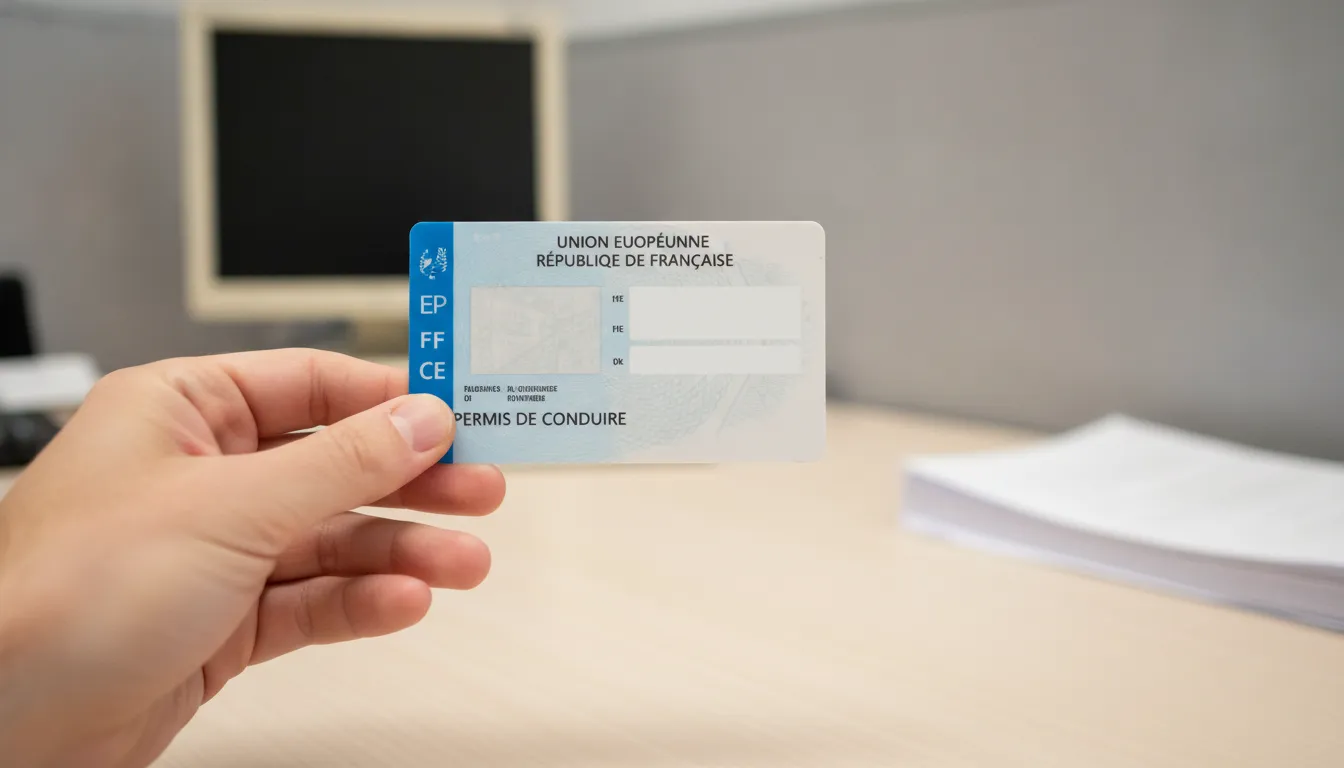
What are the rules for UK driving licences in France after Brexit?
If you had a UK driving licence, you could use it to legally drive on French roads until the end of December 2021. After that date, the post-Brexit rules for exchanging licences changed. It’s crucial to keep an eye on the UK government’s website for the most current information to ensure you are driving legally while retiring in France. This will confirm what steps you need to take regarding your licence.
Can foreigners buy property in France?
Yes, foreigners are allowed to buy property in France. However, you’ll need to do some research to understand how the French real estate market and the property buying process work there. You will also need to pay the relevant property taxes. If you are buying property in France, remember that having a local French number can make the process easier for communication with real estate agents and authorities. You can even keep your old number when you move — learn more about how it works if you’re moving from Germany, for example.
How do I get a retirement visa for France?
Getting the right visa is a vital step before you can retire in France. Since the UK left the EU, British citizens now need a long-stay visa if they plan to stay in France for longer than 3 months.
What kind of visa do I need?
You will need a ‘Type D’ long-stay visa. This visa is usually valid for up to one year and can be renewed if you plan to stay longer. Besides the visa, you will also need to apply for a residency permit once you are living in France. After you have lived in France for five years, you will be eligible to apply for permanent residency.
What is the process for applying for a French long-stay visa?
Here are the steps to apply for your long-stay visa for France:
- Start online: Begin by visiting the French Consulate in London website to find the application portal and official guidance. This is where you will start the entire process.
- Create an account: Set up an account on the France-Visas website and fill out your application using their online portal. Make sure to provide accurate details.
- Gather documents: You will need to upload several important papers to support your application. These usually include:
- A valid passport that won’t expire soon.
- An up-to-date ID photograph.
- Proof that you have health insurance coverage for your stay.
- Proof of where you will live in France, such as a property deed if you’ve bought a home, or a rental agreement.
- Evidence that you have enough money to support yourself financially during your stay, often shown through bank statements. This is key for proving you can sustain your life when retiring in France.
- Pay fees and submit: Pay the required visa application fee and send in your completed application through the online system.
- Track your application: You can check the status of your application on the online portal while you wait for it to be processed. This allows you to monitor its progress.
Are there social clubs for retirees in France?
Yes, France has many clubs specifically for retired people, helping them to meet new people and stay active. These clubs are a great way to make friends and even practice your French language skills, helping you integrate into your new community.
What kinds of activities do these clubs offer?
The activities offered by these clubs can vary a lot, depending on the specific group and its members’ interests. You might find a wide range of options, such as yoga classes, choir practice, card games, walking groups, or knitting clubs. These groups help new residents feel at home and connect with others who are also enjoying their retirement in France. You can often find out about these clubs through local communities, town halls, or expat groups and online forums.
What are the steps to retire in France?
Getting ready to move to France involves several important steps to ensure a smooth and successful transition. This checklist will help you prepare for your new life and make sure you have everything in order.
- Get health insurance: You must have proof of health insurance to complete your French visa application. This is a basic and essential requirement for anyone planning on retiring in France.
- Find a place to live: This might involve making a few trips to France to explore different areas and find a home to rent or buy. Remember, you will need proof of your French address when you apply for your visa. For advice on getting ready for a big move, check out our general moving abroad checklist. This can also include managing things like setting up a new life, similar to planning a move to Italy from the UK.
- Apply for your long-stay visa: It’s a good idea to apply for your visa at least three months before you plan to move to France. Visa application processing times can vary, so starting early is highly recommended to avoid delays.
- Arrange for your belongings to be shipped: Get quotes from different shipping companies to move your furniture and personal items to France. Comparing prices can help you keep costs as low as possible for your relocation.
- Inform HMRC and apply for your UK state pension: Tell HMRC that you are leaving the UK to live in France. Also, apply to start receiving your UK state pension in France. This is also a good time to think about transferring any other personal pensions you may have. Always get expert advice from a pension or tax professional before you make any final financial decisions.
- Apply for a residency permit: Once you’re in France and your visa is active, you will need to apply for a residency permit. You may also need to register with your local tax authorities to ensure you comply with French tax laws.
- Register for healthcare and get your carte vitale: To join the French healthcare system and get your carte vitale, you’ll need to register with your local Caisse Primaire d’Assurance Maladie (CPAM). This ensures you have access to essential medical care in your new country.
- Think about how to manage your money: Consider opening a French bank account to handle your daily expenses more easily. When living abroad, you’ll need to manage money between countries, such as receiving your pension from the UK and spending in euros. Understanding how to manage international payments efficiently is crucial, for example, by looking into non-sterling transaction fees. This can save you money on fees and exchange rates, ensuring your funds are readily available for your retirement. Keeping your original phone number is also an important part of staying connected, especially for managing finances or receiving important calls from your home country. For example, if you’re coming from the US, you can find help on how to keep your US number abroad.

Conclusion: Making your French retirement a reality
You now have a clear understanding of the essential steps and considerations for retiring in France. From understanding the visa process and healthcare system to exploring beautiful regions and managing your finances across borders, careful planning is key. The journey involves a lot of paperwork and decisions, but the reward is a fulfilling retirement in a country known for its high quality of life.
Remember, keeping connected with your life back home is also a big part of a successful move. Making sure your phone number stays active means you won’t miss important calls or texts from family and friends, which is vital for peace of mind. For example, if you want to keep your French number while abroad, you can find more information here.
With good preparation, you’ll soon be enjoying your well-earned retirement, perhaps with a glass of local wine, in your new home in France.
Sources
| # | Source | Website |
|---|---|---|
| 1 | according to the UK and EU | ukandeu.ac.uk |
| 2 | according to Numbeo | numbeo.com |
| 3 | according to World Population Review | worldpopulationreview.com |
| 4 | according to Complete France | completefrance.com |
| 5 | UK government’s website | gov.uk |
| 6 | UK government’s website | gov.uk |
| 7 | French Consulate in London website | uk.ambafrance.org |