Moving to Denmark from UK: Visas, CPR & Settling In
Moving to Denmark from the UK post-Brexit? Our guide explains residence permits, CPR numbers, required documents for British citizens, and essential steps for settling into…
TL;DR: Moving to Denmark from the UK for more than 90 days means British citizens generally need a residence permit. You’ll apply for this based on your reason for moving, such as work or study. Once in Denmark, you must get a CPR number for everyday services like banking and healthcare. The cost of living is generally higher than in the UK, with groceries 15-20% more expensive, but rent can be around 15% cheaper.
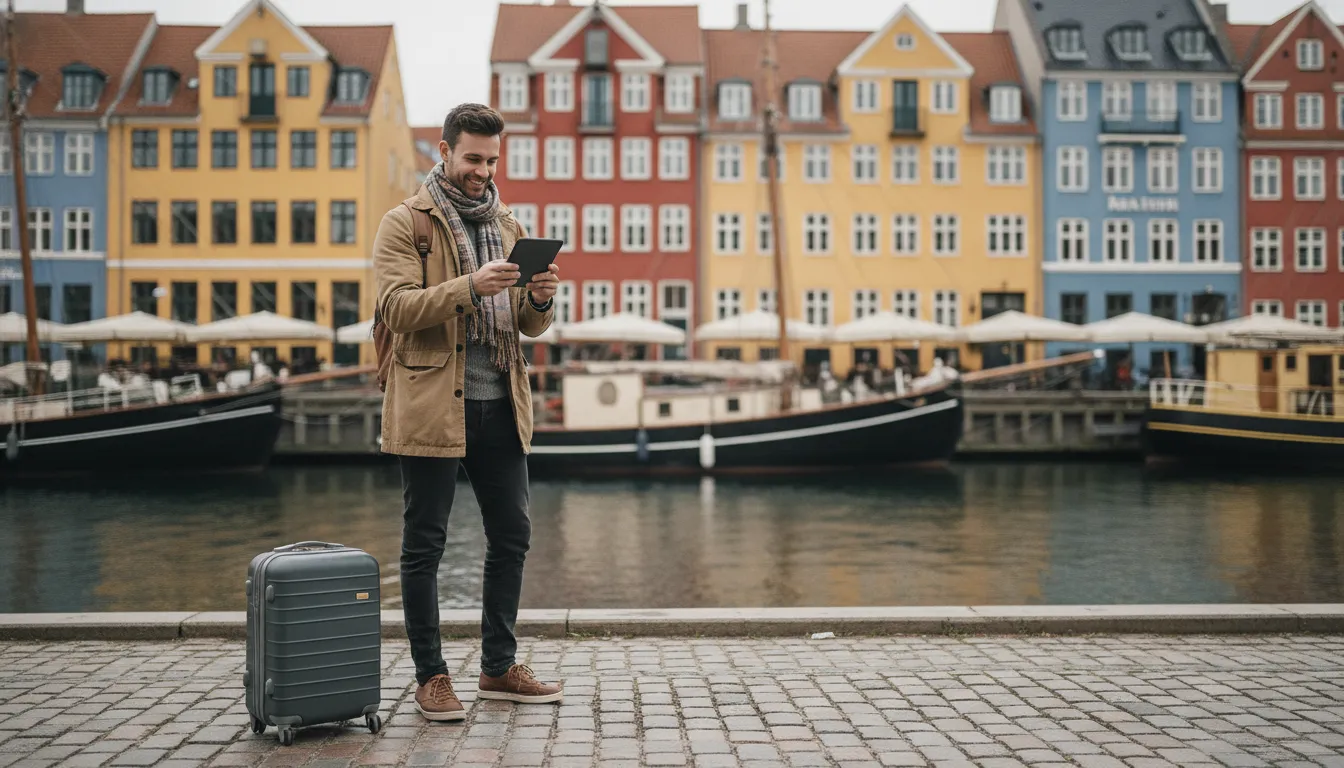
Many British people dream of a fresh start in Denmark, drawn by its strong economy and good public services. Whether you’re picturing life in the busy capital of Copenhagen, the student-friendly city of Aarhus, or the quieter charm of Aalborg, moving your life abroad brings a lot of planning. One big concern for many is how to stay connected and keep their phone number working when they move across borders. This guide will walk you through everything you need to know about moving to Denmark from the UK, covering rules for visas, housing, healthcare, and how to settle into your new Danish life.
Can British Citizens Move to Denmark from the UK?
Yes, British citizens can move to Denmark from the UK, but the rules are different now compared to before Brexit. If you are a British citizen, you can visit Denmark without a special permit for up to 90 days within any 180-day period. This applies to things like tourism, visiting family or friends, attending business meetings, or short courses.
Denmark is part of the Schengen Area, which means that any time you spend in other Schengen countries also counts towards this 90-day limit. If you plan to live, work, or study in Denmark for longer than 90 days, you will usually need a Danish residence permit. British citizens are now mostly treated like people from countries outside the EU and must follow Denmark’s immigration rules according to the Ministry of Foreign Affairs.
What Do You Need to Move to Denmark?
The things you need to move to Denmark depend on why you are going there. Most British citizens moving to Denmark after Brexit will need to apply for a residence permit. You will do this through the Danish Agency for International Recruitment and Integration (SIRI) or the Danish Immigration Service.
Generally, you will need:
- A valid passport from the UK.
- A clear reason for moving, such as having a job, planning to study, or joining family members.
- Proof that you meet the rules for your chosen way of moving.
- Evidence that you have enough money, if this applies to your situation.
- Other papers, such as a job contract, a letter saying you’ve been accepted to a university, or family documents.
- Your fingerprints and a photo (biometric information) as part of your application for a residence permit.
After you arrive in Denmark, you must get a CPR number from a Citizen Service centre or an International Citizen Service centre as explained by Life in Denmark. Your CPR number is very important for daily life in Denmark. You will need it for many things, such as working, opening a bank account, getting healthcare, and using many public services.
How Long Can a British Citizen Stay in Denmark?
British citizens can visit Denmark for up to 90 days in any 180-day period without needing a special permit. If you wish to live in Denmark for a longer time, you will usually need a residence permit that allows you to stay for the period you plan.
To get permanent residence in Denmark, you typically need to have lived there legally for eight years. However, this time can be shorter, down to four years, if you meet certain extra conditions according to New to Denmark.
How Do You Move to Denmark from the UK?
Let’s look at the main steps involved when you are moving to Denmark from the UK. This includes everything from choosing your reason to settling into your new life.
Choose your reason for moving
British citizens often move to Denmark for specific reasons. Common choices include getting a job with a Danish employer, studying at a Danish university, or joining a close family member who lives in Denmark. For jobs, some main ways to get a permit are through the “Positive Lists” for jobs that have too few workers, or the “Pay Limit schemes” for high-earning jobs according to New to Denmark. You should make sure you know which route is right for you before you make any firm plans, as the rules can be very different for each one.
Gather the required documents
The papers you need will depend on your application. For example, people moving for work will usually need a job contract or a job offer. Students will need proof that they have been accepted into an approved Danish school program. You might also need papers to show you have enough money, proof of where you will live, and copies of your passport. Sometimes, documents from your home country might need to be translated or officially checked, depending on what your application needs.
Apply for your visa or residence permit
You must apply through the correct Danish government office. Make sure you complete all the steps, including paying any application fee and giving your biometric information (fingerprints and a photo). For many job applications, like the “Fast-track scheme,” your employer might need to complete part of the application for you according to New to Denmark.
Hire a moving company and pack your most valuable items
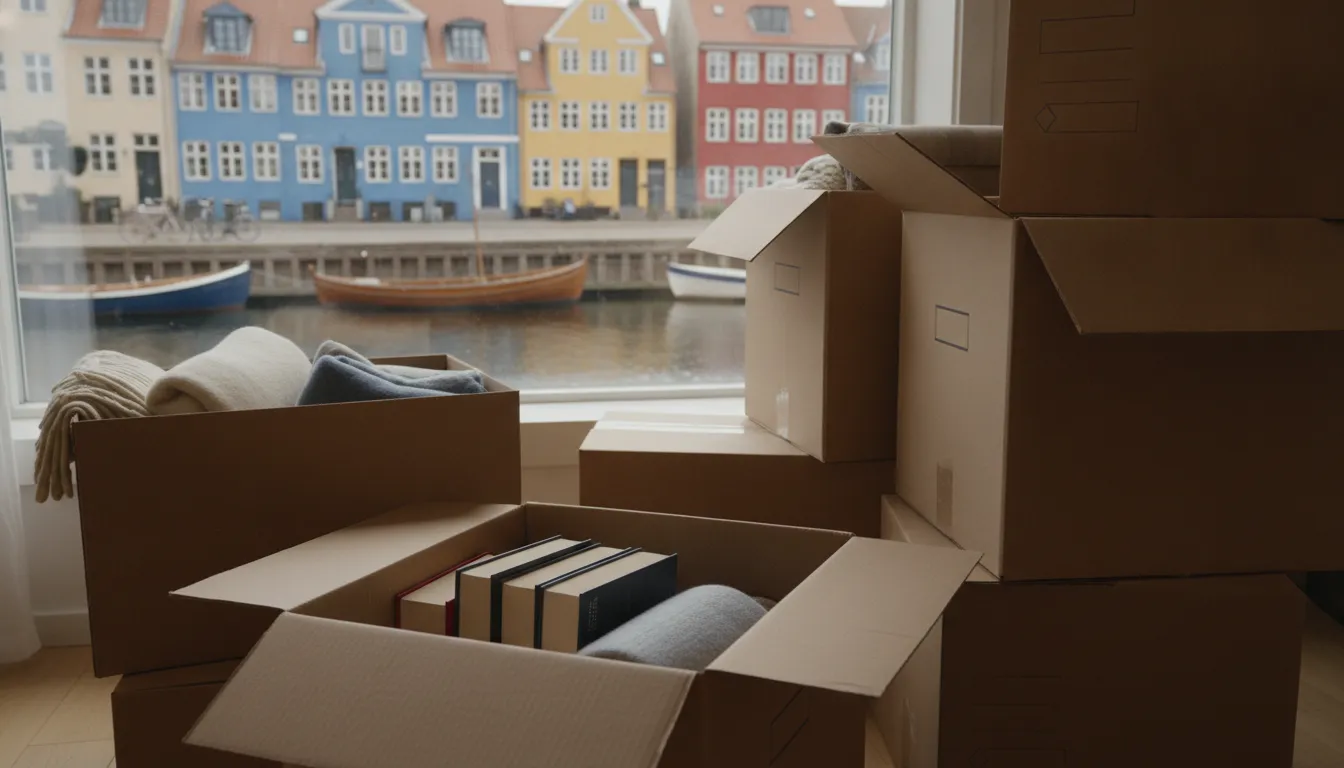
The practical part of your move will usually involve finding a place to live, hiring a company to move your things, and booking your flight. This is also a good time to decide which of your belongings are worth shipping to Denmark. Many people also consider what will happen to their phone number. You might want to explore options like keeping your UK number abroad or looking into services that help manage communication internationally.
Read customs and imports rules before packing
When you move from the UK to Denmark, you are bringing personal belongings from a country that is not in the EU. This means you might need to fill out customs papers for some items you bring. Your moving company can often help with these customs documents. However, you should still check the rules of the Danish Customs Agency before your things are sent.
Register after arrival
Once you have moved into your Danish home and have your residence papers, you need to register at the International Citizen Service centre. This is where you will get your CPR number as stated by Life in Denmark. Getting your CPR number is one of the most important things to do after you arrive. This is because it is used for finding work, banking, healthcare, and many other services.
Set up your life in Denmark
After you get your CPR number, you can start setting up everyday things you need. This includes opening a Danish bank account, getting your health insurance card, and setting up MitID. The Danish national health insurance card, often called the yellow card or sundhedskort, is connected to your CPR number. It allows you to use the national healthcare system according to Life in Denmark. For more tips on moving, check out our moving abroad checklist.
Moving to Denmark with pets
If you are moving to Denmark with your pet, it will generally need a special microchip, an up-to-date rabies vaccination, and an animal health certificate. This certificate must be given by an official vet according to Your Europe.
What are the Rules for Visas and Residence Permits in Denmark?
British citizens who want to live in Denmark for more than 90 days after Brexit usually need a residence permit. The kind of permit you need will depend on your personal situation.
The main ways to get a permit include:
- Work permits through special lists for jobs with shortages (Positive Lists) or for high-paying jobs (Pay Limit schemes).
- Fast-track work permits for certain approved employers.
- Start-up work permit for people who want to start a new business.
- Student residence permits for those studying at a Danish school.
- Family reunification for joining family members already in Denmark.
How to apply for residency
The way you apply depends on why you are moving. For example, someone moving to Denmark for a job will usually need to apply based on their Danish employment. A student will need to show proof they have been accepted into an approved school. Applications for residence permits are sent to the Danish Agency for International Recruitment and Integration (SIRI).
The application process may include:
- Getting a case order ID.
- Paying a fee for the application.
- Sending in all the necessary documents.
- Filling out the correct online application form.
- Providing your biometric information (fingerprints and photo).
- Waiting for SIRI to make a decision on your application.
How to renew your residency
You can apply to make your Danish residence permit last longer three months before it runs out. The timing and what you need to do depend on why you got the permit in the first place according to New to Denmark. If you have a work permit, you will usually need to show that you still meet the rules of your job-based scheme. If you change jobs, you might need to apply for a new permit, depending on the type you have.
Financial Checklist for Moving to Denmark
Before you move to Denmark from the UK, it’s important to plan your money carefully. Make sure you have enough money saved for these costs:
- Fees for your visa and residence permit.
- Costs for moving your belongings internationally.
- Tickets for flights and other travel.
- Costs to move your pets.
- Money for rent and a security deposit.
- Health and travel insurance.
- Lessons to learn Danish.
- Emergency savings for unexpected costs.
This financial planning also extends to how you manage your money across borders. Many people wonder what happens to their old phone number or bank accounts when they move abroad. For example, some UK banks like Barclays might close your accounts if you move overseas according to Barclays. It’s crucial to research options for international banking and currency exchange to make sure your money is accessible and easy to use in Denmark. You might also want to look into services that help manage international payments smoothly.
Can You Retire to Denmark from the UK?
UK citizens can retire in Denmark if they meet certain requirements, but Denmark does not offer a special retirement visa for everyone. Instead, people looking to retire generally need to qualify for a residence permit through another route. This could be by joining family members (family reunification) or through another type of immigration category that fits their situation. There are special rules for some people who used to work for international groups in Denmark, but this is not a general way for most people to retire there.
Living in Denmark - Key Facts
Here are some helpful facts about Denmark to know before you make your move:
- Currency: Danish krone (DKK)
- Main language: Danish
- Population: Around 6,030,773 people according to Worldometers.
- Number of British people living there: There are 18,529 British expats in Denmark according to Statistics Denmark.
- Payment methods: Both cash and cards are used in Denmark, but card payments are very common.
What are Popular Cities and Locations for Expats?
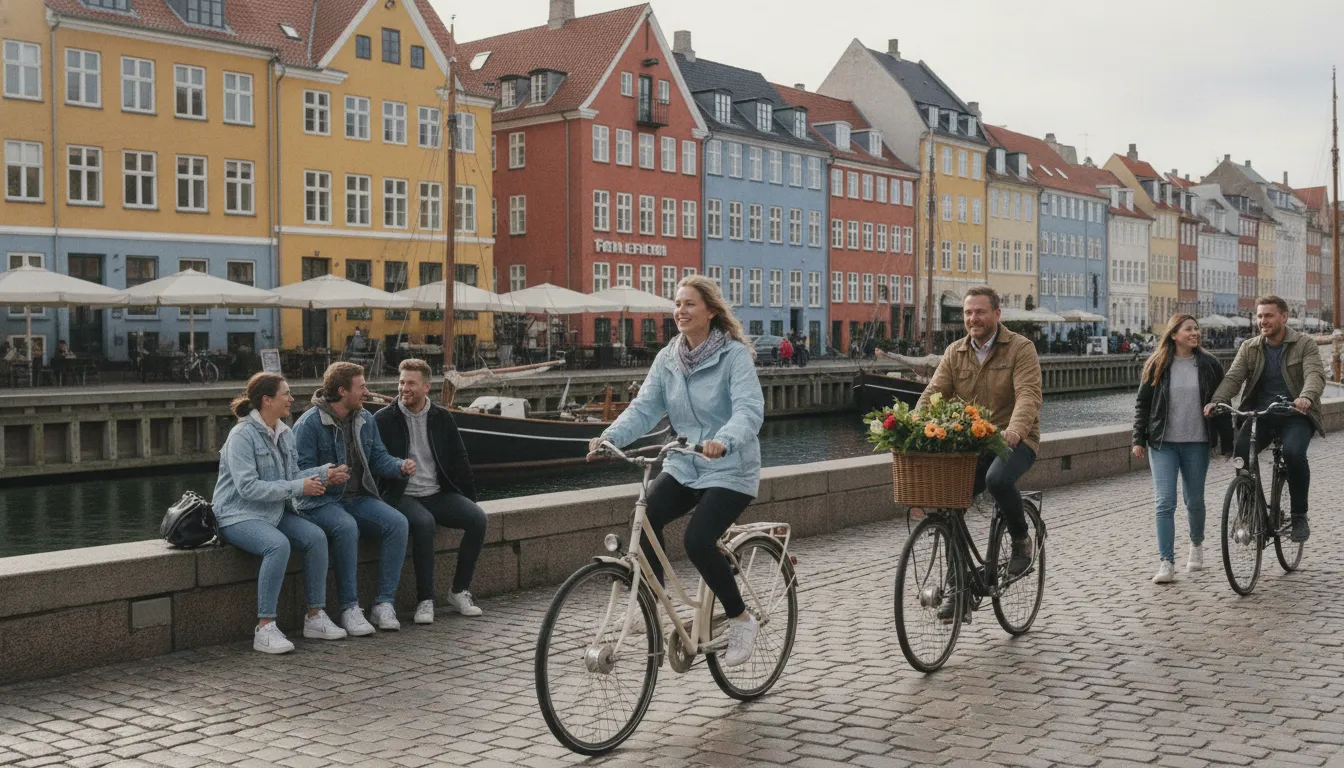
Some of the most popular places for expats to live in Denmark include Copenhagen, Aarhus, and Aalborg. Copenhagen is the capital city and the biggest international hub in Denmark. Aarhus is the second-largest city, known for its big student population and international community. Aalborg, located in northern Denmark, is another popular city for universities and businesses.
How Much Money Do You Need to Live in Denmark? (Cost of Living in Denmark)
Denmark is generally known as an expensive country to live in. However, the exact cost of living in Denmark greatly depends on where you choose to live and your lifestyle.
Here’s a comparison of some costs between the UK and Denmark:
| Item | Compared to UK |
|---|---|
| Groceries | 15-20% higher |
| Restaurant Prices | 15-20% higher |
| Rent (average) | 15% cheaper |
| Utilities (monthly) | 30% cheaper |
| Public Transport Pass | 10% cheaper |
| Property Prices (buying) | 16% higher |
Groceries and restaurant prices are typically 15 to 20% higher than in the UK. But some other everyday costs can actually be lower. For instance, rent is about 15% cheaper on average, while bills like electricity and heating (utilities) cost about 30% less. A monthly pass for public transport is around 10% cheaper according to Numbeo.
If you plan to buy property, prices are on average 16% higher than in the UK. However, this can change a lot depending on the specific location you choose.
How Do You Open a Danish Bank Account?
The exact things you need to open a bank account in Denmark can vary between banks. But you will usually need some form of ID and documents that show your connection to Denmark according to Internations.
You might be asked for:
- A valid passport.
- Your CPR number.
- Proof of your address in Denmark.
- Your residence permit.
- Your job contract.
- MitID (a digital ID).
Major banks in Denmark include:
- Arbejdernes Landsbank
- Danske Bank
- Jyske Bank
- Nykredit
Remember, whether you can keep your UK bank account after moving abroad depends on your bank’s specific rules. For example, some UK banks might close both your current and savings accounts once you move overseas.
Renting and Buying Property in Denmark
You can rent or buy property in Denmark as a UK citizen if you have the legal right to live there. However, there are different rules for renting versus buying. British citizens generally need special permission from the Danish Department of Civil Affairs to buy property. This rule applies unless they are officially living in Denmark (have “domicile”) or have lived there for at least five years according to Life in Denmark.
Renting is usually the simpler choice when you first arrive. Landlords can typically ask for a deposit equal to up to three months’ rent. It is very important to read the rental agreement carefully. Make sure you do not pay a deposit until you have received and signed a contract according to Life in Denmark.
Healthcare in Denmark
Denmark has a public healthcare system that is paid for by taxes. Once you are registered as a resident and are part of the Danish national health insurance system, you will get a health insurance card (called sundhedskort). This card allows you to use public healthcare services according to Expat Focus.
Most services from general doctors (GPs) and hospitals are provided through this public system. However, patients might still need to pay for certain things, such as some dental work, medicines, and other treatments, depending on their situation.
Health insurance
British expats can use public healthcare in Denmark in the same way Danish citizens do. Once you get your health insurance card, you can get free visits to a GP, hospital treatment, and most specialist care within the public healthcare system.
Private health insurance, known as sundhedsforsikring, is not required. However, some expats choose to get extra cover. This can mean faster access to private treatment and more choices for care.
English-speaking doctors and medical staff
English is spoken by many people in Denmark, including many healthcare workers, especially in bigger cities and areas with many international residents. Even so, learning some Danish can still be helpful, particularly if you move to a smaller town.
Medication and prescription requirements and restrictions
If you bring prescription medicine with you from the UK, keep your medicines in their original packaging. Also, carry a copy of your prescription. It is also a good idea to have a letter from your doctor explaining your medications.
Finding a Job and Working in Denmark
You can work in Denmark as a British citizen if you have a Danish residence and work permit. The best way to get a permit depends on your job, how much you will earn, and your qualifications. Skilled workers might be able to get a permit through one of Denmark’s “Positive Lists” for jobs that need more people. Jobs with higher salaries might qualify under the “Pay Limit schemes” according to New to Denmark.
Denmark also has a “Fast-track scheme” for certain approved employers. This can offer a faster way for qualified international employees to get their permits. The average salary in Denmark is 51,675 DKK per month before tax, which includes money for pensions according to Statistics Denmark. You can also find more advice on how to get a job in other European cities, like by reading our guide on how to get a job in Milan.
Studying in Denmark
Denmark has many university programs taught in English, which makes it easy for international students to study there. About 10% of all students in Denmark come from other countries according to Educations.com.
For visa applications, you will generally need to show proof that you have enough money, usually around 6,000 DKK per month. Health insurance is also required and typically costs between 1,000 DKK and 1,500 DKK per year according to Educations.com. On average, the cost for international students to study is between 45,000 and 120,000 DKK.
Saving Money on Your Move to Denmark
Before you move abroad to start your new Danish life, you will have different costs to handle. These include fees for buying property, visa applications, and rental deposits. Some of these might need international payments. It is wise to plan how you will manage your money across countries to avoid extra fees. Compare different ways to send and receive money to make sure you get good exchange rates and low costs. Also, consider options for having accounts that work in multiple currencies to save money when you spend in Danish Krone once you arrive. 
Summary
To sum up, here are the most important things to remember when you are moving to Denmark from the UK:
- British citizens need a residence permit if they want to live in Denmark for more than 90 days.
- You must get a CPR number to use healthcare, open a bank account, and pay taxes.
- Denmark has a public healthcare system paid for by taxes, and all residents receive a health insurance card.
- British citizens generally need a work permit to get a job in Denmark.
- Buying property can be harder for British citizens who do not yet have legal residence or have lived in Denmark for less than five years.
- There is no general retirement visa, so people retiring need to qualify through another type of residence permit.
Related reading
Sources
| # | Source | Website |
|---|---|---|
| 1 | according to the Ministry of Foreign Affairs | um.dk |
| 2 | as explained by Life in Denmark | lifeindenmark.borger.dk |
| 3 | according to New to Denmark | nyidanmark.dk |
| 4 | according to New to Denmark | nyidanmark.dk |
| 5 | according to Your Europe | europa.eu |
| 6 | according to Barclays | barclays.co.uk |
| 7 | according to Worldometers | worldometers.info |
| 8 | according to Statistics Denmark | statbank.dk |
| 9 | according to Numbeo | numbeo.com |
| 10 | according to Internations | internations.org |
| 11 | according to Life in Denmark | lifeindenmark.borger.dk |
| 12 | according to Life in Denmark | lifeindenmark.borger.dk |
| 13 | according to Expat Focus | expatfocus.com |
| 14 | according to Statistics Denmark | dst.dk |
| 15 | according to Educations.com | educations.com |
| 16 | according to Educations.com | educations.com |